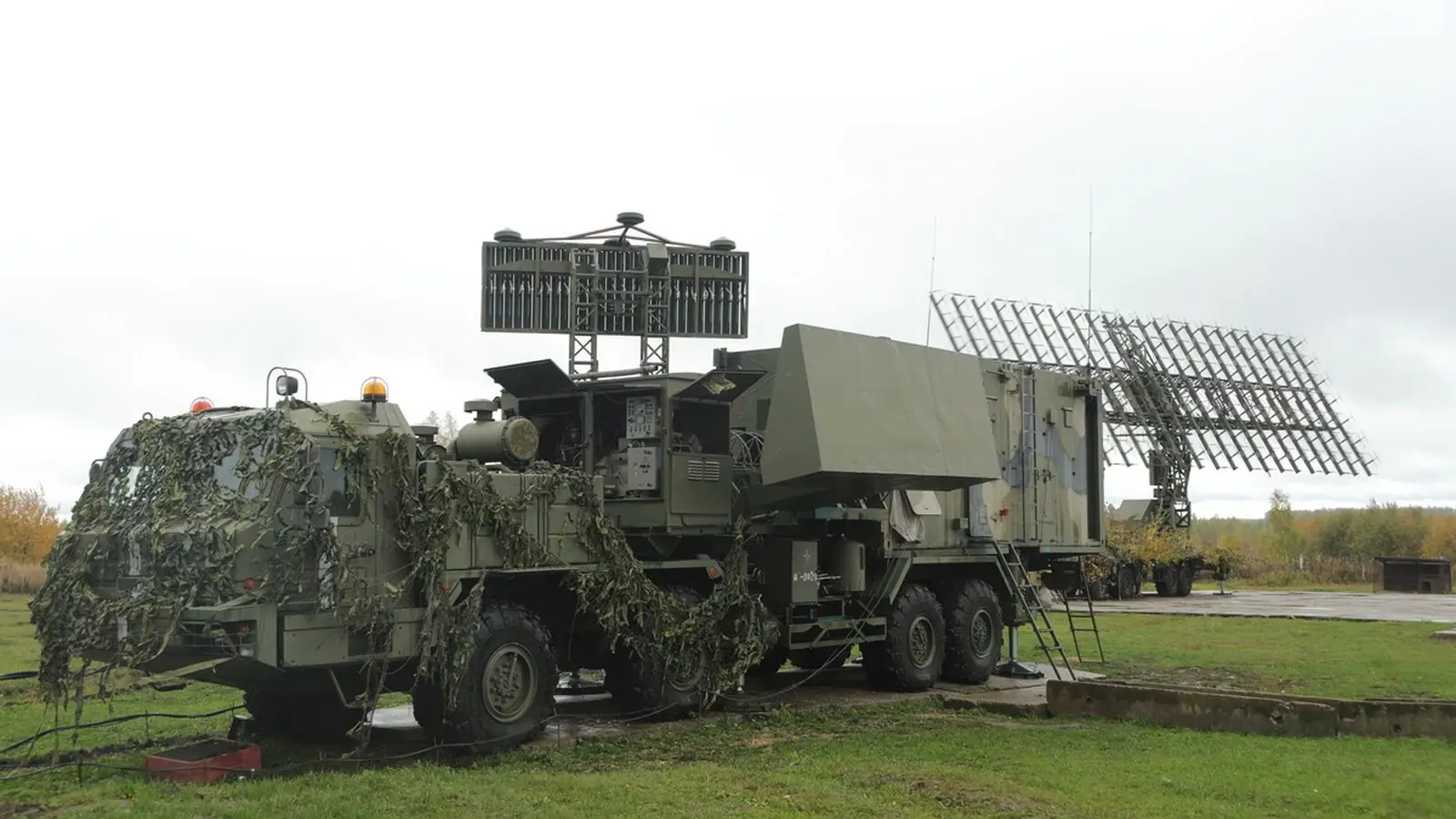
 © Сайт Минобороны России / mil.ru

Military expert and aviation Major General Vladimir Popov said standard air defense systems are not always effective against enemy UAVs flying at ultra-low and extremely low altitudes, including toward the Urals.
According to Popov, few anti-aircraft missile systems can detect such aerial targets at those heights. He noted that a drone of this type may only be spotted at a very short distance from an air defense system — roughly 15 to 20 kilometers.
He explained that terrain, forests, buildings and other tall structures can interfere with detection. Popov also said that when small drones do become visible to air defense systems, they can be mistaken for birds or atmospheric phenomena. All of this makes timely detection harder and weakens standard protection methods.
The expert believes Russia needs a new warning system. In his view, it should rely not only on radar, but also on acoustic monitoring and tethered balloons equipped with surveillance systems.
Earlier, Perm Region Governor Dmitry Makhonin reported that a drone had hit one of the region’s industrial sites. According to him, no one was injured and no major damage was recorded.