 ©
© 

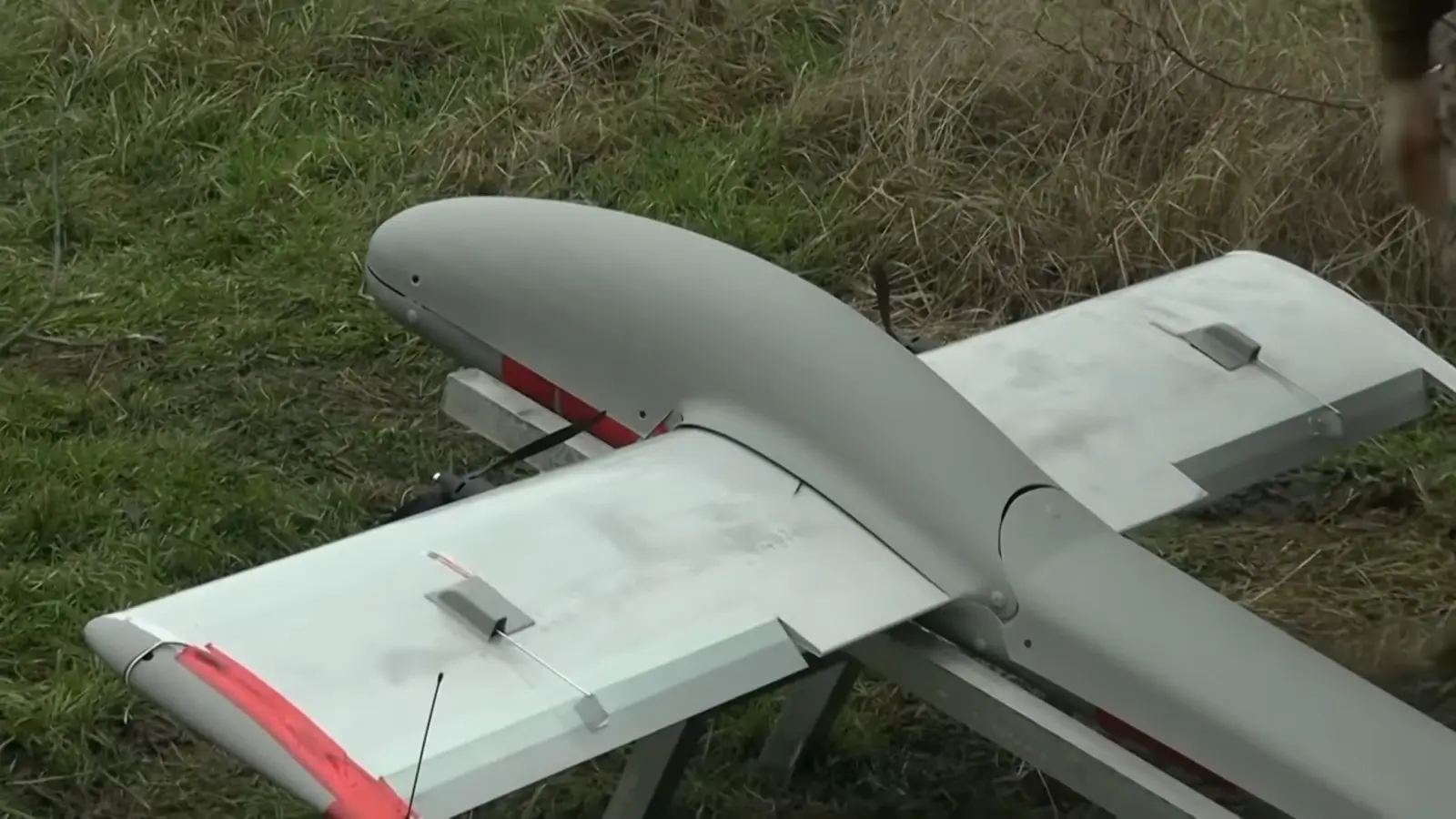
Russian forces’ active use of Molniya-2 drones is creating mounting difficulties for Ukraine’s air defense system, according to a report published by Forbes.
The publication highlights the drone’s key advantage: its low cost. Priced at roughly $300, the Molniya-2 is built from widely available materials such as foam plastic, plywood and lightweight composites. Despite its simple construction, the UAV has a wingspan of about 1.5 meters, can carry up to five kilograms of payload and has a flight range of up to 60 kilometers.
Forbes notes that Russia is increasing production of these drones, leading to their more frequent deployment on the battlefield. While basic in design, the Molniya-2 incorporates a mix of simple and more advanced technical solutions that help it evade Ukrainian air defenses.
One of the features highlighted in the article is the drone’s ability to operate across multiple frequency bands rather than relying on a single channel. This complicates detection and interception, forcing Ukrainian air defense systems to cover a broader spectrum.
Unlike many quadcopters and bomber-style drones — which ground-based air defenses are primarily designed to counter — the Molniya-2 follows a different operational pattern. It travels at speeds between 90 and 120 km/h and flies at low altitudes, typically within a few hundred meters.
According to the publication, the drone reflects a different design philosophy, prioritizing affordability and adaptability over complex technology. This combination, paired with flexible tactics, allows it to bypass defenses and makes it particularly suited for a war of attrition, where cost, scalability and rapid adaptation are as important as performance.
Operational results have also been notable. In April 2026 alone, Molniya-2 drones were reportedly used to strike 95 dugouts and shelters of Ukrainian forces in the Kharkov region.
The Molniya-2 was developed by engineers at Atlant Aero in Taganrog as an upgraded version of the earlier Molniya model. While retaining the original layout and reliability, the newer drone significantly surpasses its predecessor in performance.