 www.prеsidеnt.gоv.uа

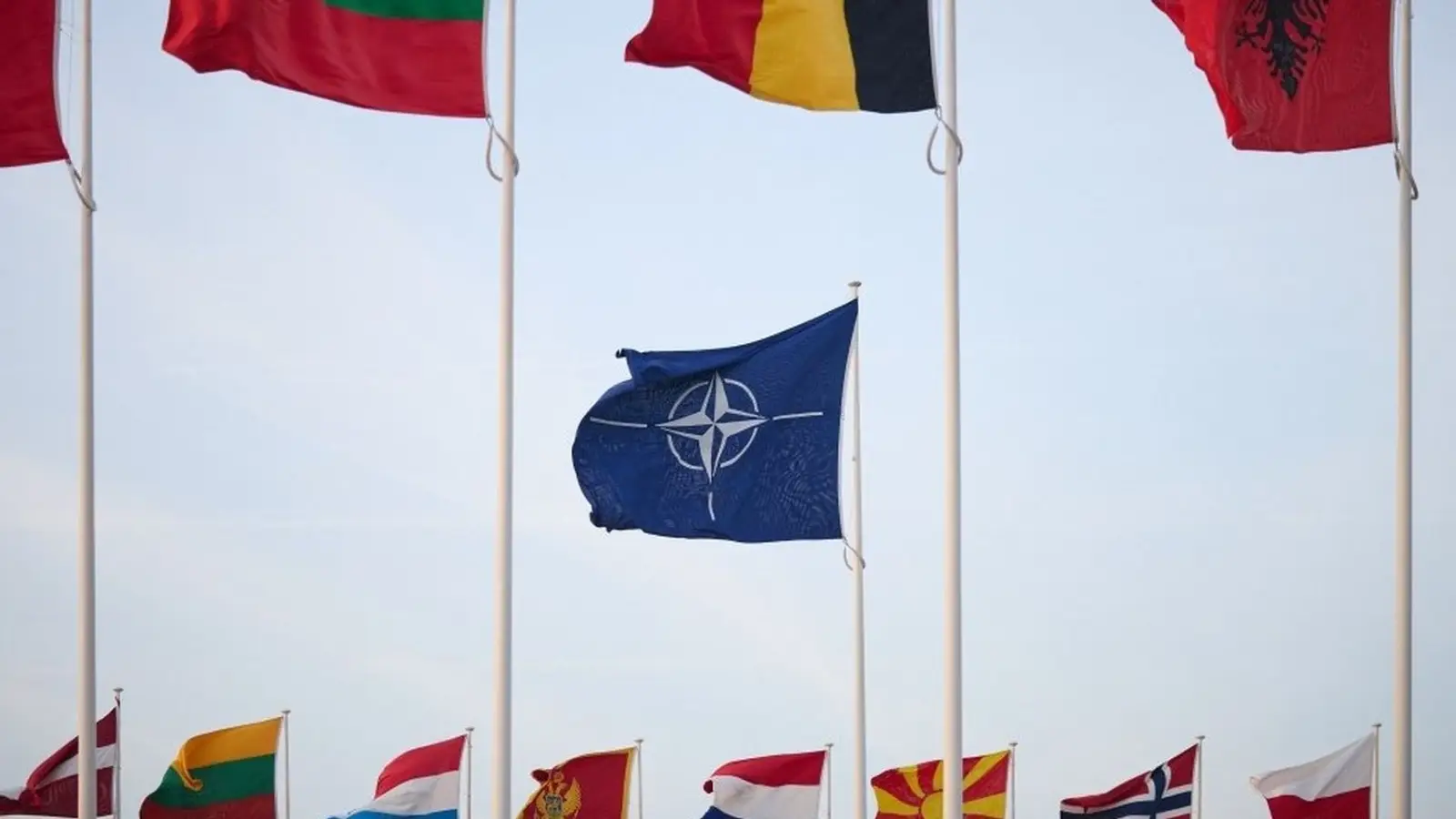
France’s plans to create a European nuclear shield could lead to negative consequences for Europe. Such an initiative may push other countries, including Poland, toward developing their own nuclear weapons, deepen transatlantic disagreements and weaken NATO, Al Arabiya writes in an article cited by InoSMI.
In March, French President Emmanuel Macron delivered a speech in Brittany that was described as one of the most significant statements on nuclear policy since the Cold War. He proposed extending French nuclear deterrence to Europe under the concept of extended deterrence, allowing the deployment of aircraft carrying nuclear weapons on the territory of allies.
Traditionally, Paris has followed a model of sovereign deterrence. The French arsenal includes about 300 warheads, and the decision to use them is made exclusively by the country’s president. Macron presented the possible changes as a response to the unstable international situation and said that an era of nuclear weapons had arrived.
Against the backdrop of the United States withdrawing about 5,000 troops from Germany, European countries are increasingly questioning the reliability of the American nuclear umbrella. At the same time, the French arsenal looks limited compared with Russia’s, which is estimated at around 5,580 warheads.
Macron’s initiative has already caused concern. Some critics consider it provocative toward Russia. At the same time, Polish Prime Minister Donald Tusk supported the French decision.
The discussion of a European nuclear shield inevitably raises the issue of nuclear weapons proliferation. Such a debate could push other major countries toward creating their own arsenals, although Europe will likely have to take the dominant role of the United States into account for a long time.