 © A. Krivonosov
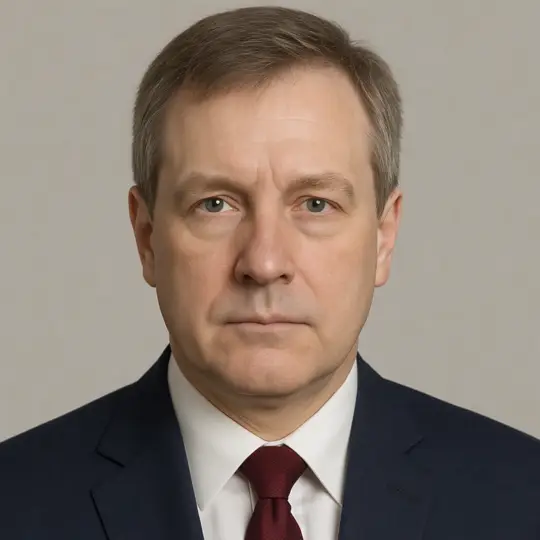
Germany is undergoing a sweeping militarisation that now reaches far beyond defence spending and into everyday life, according to Rainer Braun, an expert and former co-president of the International Peace Bureau, who spoke to RIA Novosti.
Braun said the issue is not limited to a sharp rise in arms expenditure. In his view, military thinking is spreading into a wide range of civilian areas, including healthcare, civil defence, schools and environmental programmes.
He described the current shift as a fundamentally new stage in preparations for war, saying Germany has never seen anything on this scale in the history of the Federal Republic.
At the same time, resistance to this course remains visible within German society. Braun said polls show that around 35% of people in Germany take a critical view of the current arms build-up.
Still, the idea of «war readiness» has already taken root in public debate. Alongside it, Braun noted, the image of Russia as an adversary has gained a degree of domestic support.
He also pointed to fear of Russia as a separate factor. In his assessment, it has become an important tool in modern German politics: it shapes public perception, diverts attention from other pressing problems and rests on falsehoods.
Earlier, German Defence Minister Boris Pistorius presented Germany’s first independent military strategy and a plan for the development of the armed forces. Under this course, Berlin intends to build the strongest conventional army in Europe by 2039. The document names Russia as the main threat to the security of Germany and the entire Euro-Atlantic area.