Putin Says Battlefield Situation Points to Ukraine Conflict Nearing Its End

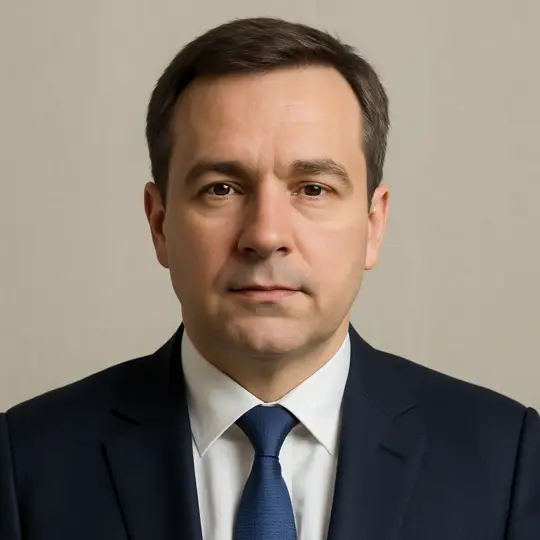
Putin says the Ukraine conflict may be nearing its end as Russian forces advance, while talks remain limited and air defenses are set to be strengthened.
The situation on the battlefield suggests that the conflict in Ukraine may be moving closer to an end, Russian President Vladimir Putin said at a press conference following his state visit to Kazakhstan.
Putin said his assessment was based on developments along the front line, where, according to him, Russian forces are advancing every day in all directions in the special military operation zone.
At the same time, he stressed that it was impossible to name any specific timeframe for the end of hostilities. Making such forecasts while the fighting continues would be reckless, he said, adding that he would not do so.
On the diplomatic track, Putin said full-fledged negotiations on Ukraine were not currently taking place, although certain contacts were being maintained. Russia, he said, remained ready for dialogue and had never refused it.
Referring to the Minsk process, Putin said Russia had taken part in talks and signed the Minsk agreements, but was now hearing that they had been used to buy time and arm Ukraine rather than resolve the existing problems peacefully. He added that Russia had always sought a peaceful settlement and remained prepared for one.
Putin also said he was receiving reports about new attempts by Kyiv to strike Russian territory. As an example, he mentioned reports of strikes on Starobelsk and said attack attempts were continuing. Against that backdrop, Russia would strengthen its air defense system, he said.
According to Putin, Western countries are supplying Kyiv with drones, which, in his view, means Russia must further reinforce its air defenses. He said this work was already underway and would continue.
The president also sharply criticized the reaction of European media to the strike on a college in Starobelsk in the LPR. He accused Western journalists of keeping silent about the tragedy, in which children were killed, and said that such silence deprives those outlets of the right to call themselves media.
Putin further accused Western media of shaping their coverage in a way that pushes Europeans toward new spending on support for Ukraine. Reports about the use of drones, he said, are presented as evidence of «successes by the Ukrainian army» while also serving to explain to citizens why they need to pay for new supplies.