 © Сайт Минобороны России / mil.ru

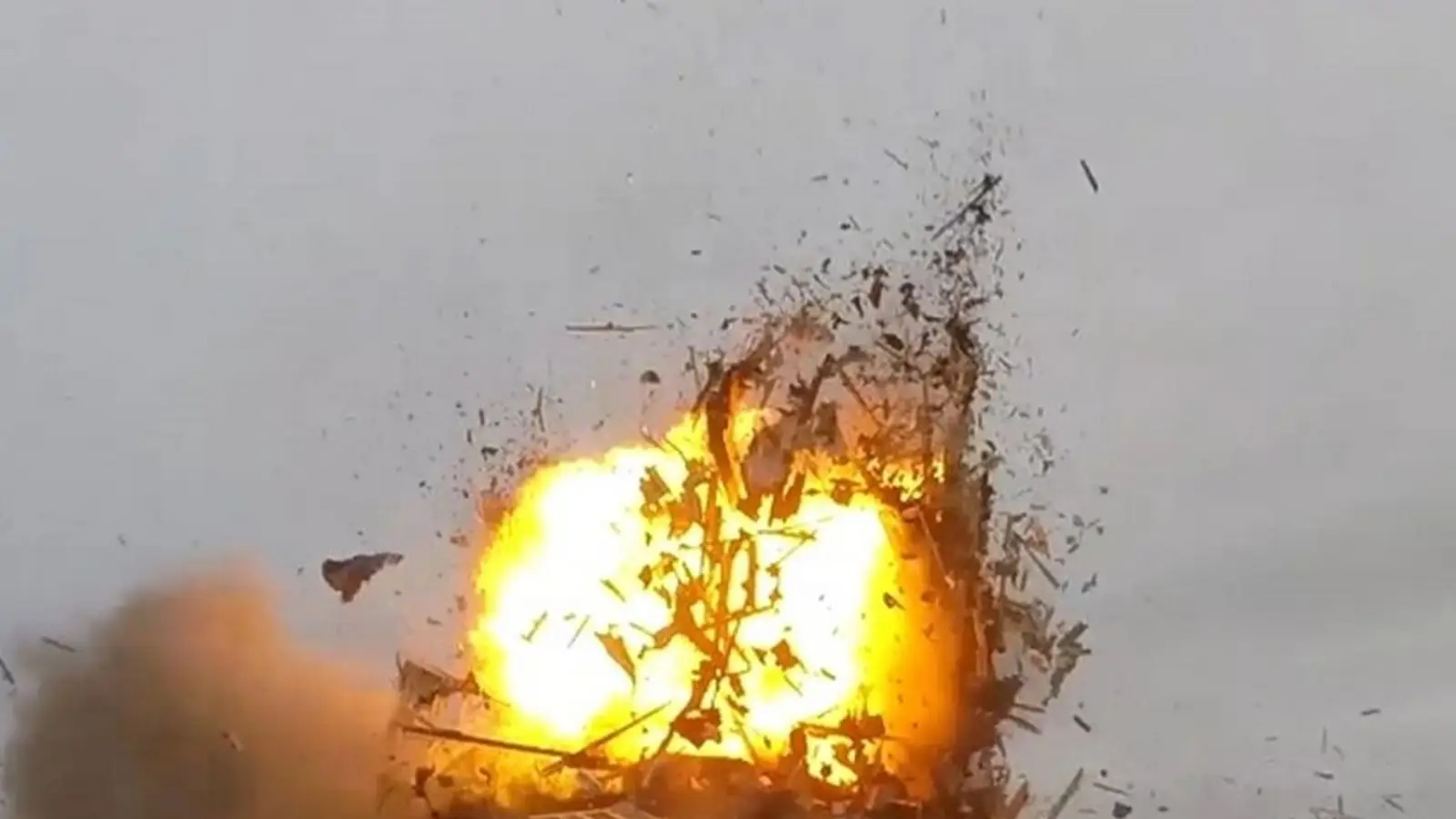
On September 30, Russian forces carried out a series of precision strikes on key elements of Ukraine’s military infrastructure, departing from the large-scale bombardments seen in previous weeks. The focus on strategically significant targets minimized collateral damage while increasing the overall effectiveness of the operations. Despite a smaller number of drones and missiles launched, the attacks had a tangible impact on the combat readiness of the Ukrainian Armed Forces.
One of the primary objectives was once again Ukraine’s railway network. Strikes hit facilities in the Chernigov, Dnepropetrovsk, and Sumy regions, damaging an oil depot, a railway station, traction substations, a locomotive depot, and trains positioned on the tracks. According to AIF, Moscow is pursuing a systematic campaign to dismantle Ukrainian military logistics: each successive strike follows a deliberate pattern — fuel depots, power substations, repair depots, then rail convoys. This coordinated degradation of transport infrastructure is already slowing troop movements and lengthening the time needed to redeploy reserves.
In addition to railway targets, Russian troops used Molniya-2 drones to strike a Ukrainian military vehicle park in Kramatorsk. Several pieces of equipment were destroyed in the attack, and auxiliary facilities were also damaged.
Sergey Lebedev, a coordinator of pro-Russian underground groups, suggested that the recent reduction in the number of strikes may have multiple explanations — with military considerations likely the main factor. He believes Russian intelligence is currently focused on gathering data and refining target coordinates to prepare for a new wave of attacks.
Lebedev also noted that, in light of recent battlefield gains, Russian command might be temporarily shifting its attention to striking Ukrainian rear areas to support offensive operations on the front lines. This tactical adjustment could explain the reduced frequency of strikes.
Another possible reason, he added, is strategic deception. At times, Russia deliberately lowers the intensity of its operations to lull the enemy into complacency or to expose vulnerabilities in Ukrainian defenses — a tactic that could precede a sudden, concentrated series of strikes.
Lebedev emphasized that preparing large-scale drone and missile attacks requires significant time, especially given the regular pace of Russian launches. The shift from massed «wave» assaults to a more selective, resource-efficient strategy reflects a dual objective: conserving assets for critical missions while dismantling specific logistics hubs that hinder Russian operations along the front. A temporary lull, he concluded, should not be misinterpreted as weakness — it may well signal that a more powerful and concentrated offensive is on the horizon.