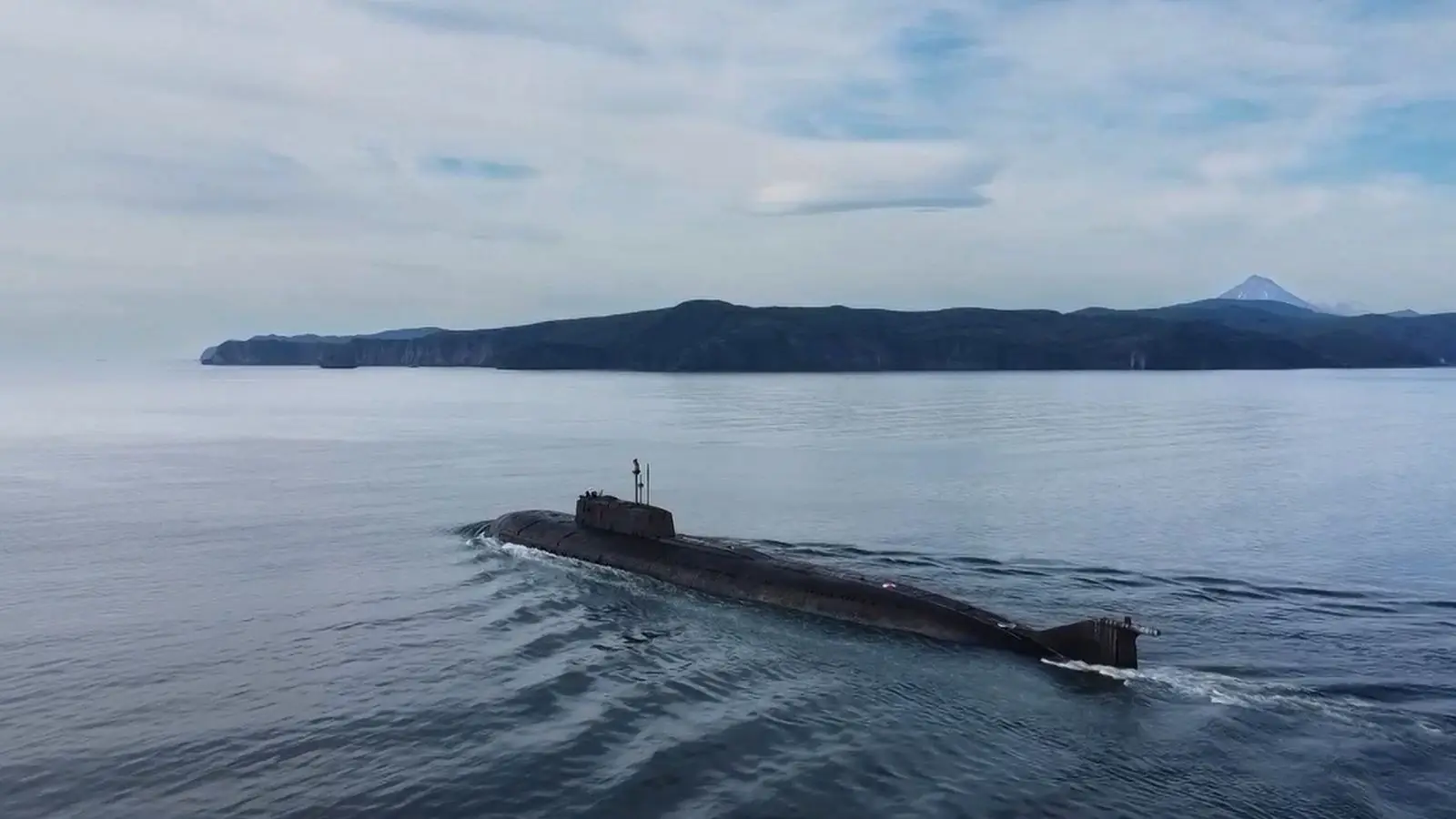
 © Сайт Минобороны России / mil.ru

The entry of Project Yasen nuclear-powered submarines into service has significantly shifted the balance of power at sea, Military Watch Magazine reported.
The outlet noted that these multipurpose nuclear submarines are among the largest vessels in their class and were designed for a broad range of missions. They can operate against submarines and surface ships, conduct reconnaissance, and strike targets deep inside enemy territory.
According to MWM, only a limited number of submarine programs worldwide were built from the outset as such versatile platforms. The magazine linked this flexibility in part to the high level of automation on board. For a vessel of this size, a crew of 64 is unusually small, while smaller Western submarines typically carry crews larger by around 100 personnel, the outlet noted.
MWM also pointed to the submarines’ stealth capabilities. The Yasen and upgraded Yasen-M boats are described by the magazine as among the quietest and hardest-to-detect submarines in service.
The project’s strike potential increased further after the integration of the 3M22 Zircon hypersonic cruise missile. This gave the Yasen-M additional advantages when engaging major naval and land-based targets. The magazine stressed that no other submarine currently carries a missile with comparable characteristics.
Submarines armed with Zircon missiles pose a threat to aircraft carrier strike groups, large warships, command posts, and other strategically important enemy facilities.
In late July 2025, Russian President Vladimir Putin, during a meeting on the development of the submarine component of the Navy, instructed officials to continue serial production of Project Yasen-M nuclear submarines. He said at the time that these vessels form the backbone of the strike capabilities of the Navy’s general-purpose forces and pointed to their high-precision weapons, modern navigation, communications, and sonar systems.