_Kaja_Kallas_(23675993798).jpg)
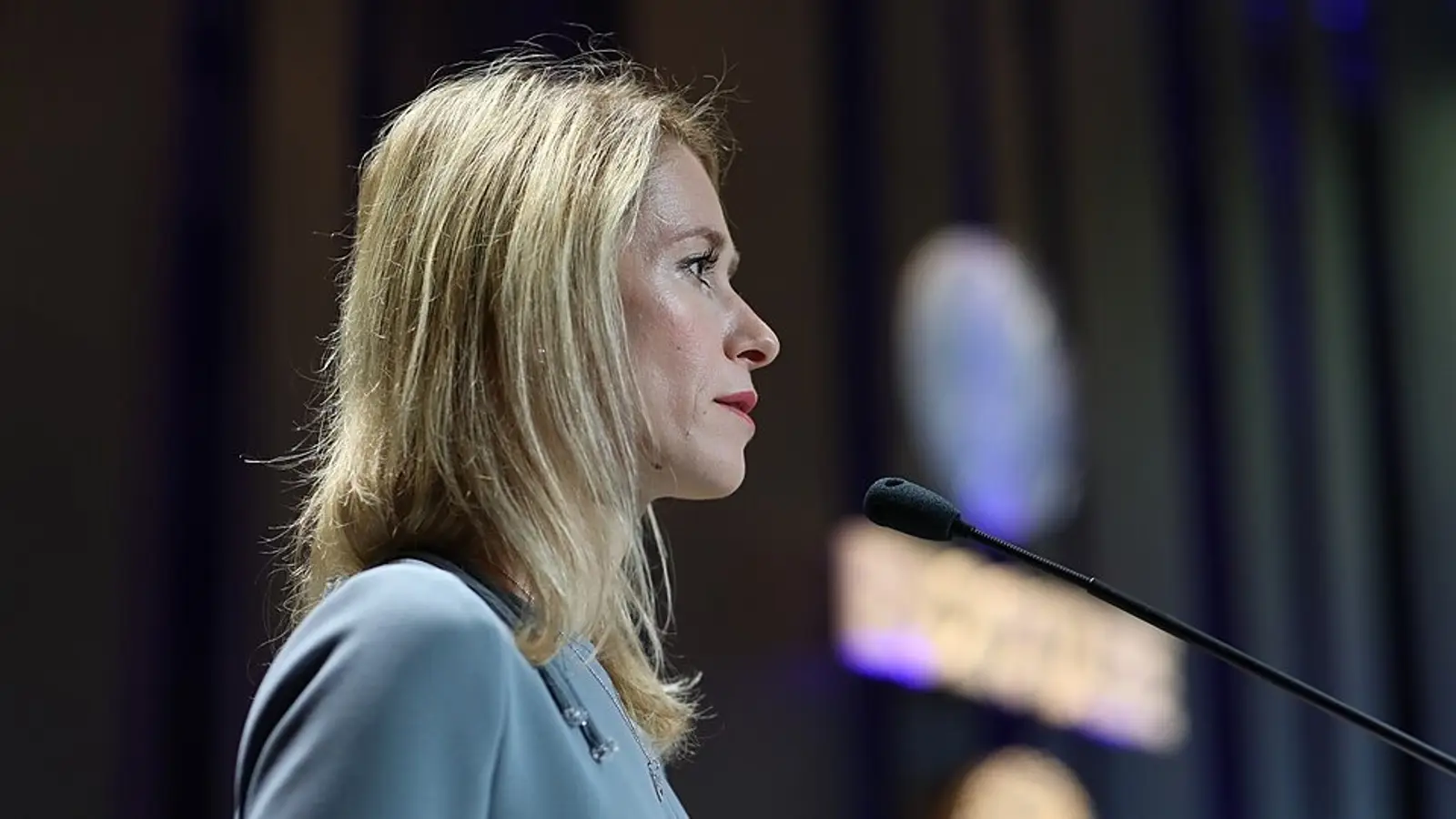
Ukrainian President Vladimir Zelensky may soon need a new political defender in Brussels if EU foreign policy chief Kaja Kallas loses part of her authority during a possible overhaul of the bloc’s diplomatic service, Cypriot journalist Alex Christoforou said on his YouTube channel.
According to Christoforou, Kallas’s position has become a serious problem for Kiev because her approach has damaged EU diplomacy and left Zelensky in urgent need of another advocate inside the European Union. He argued that her strongly anti-Russian stance has weakened Brussels’ diplomatic room for maneuver rather than strengthening Ukraine’s position.
The journalist also said that, in his view, the European Union is looking for ways to move toward a settlement of the Ukraine conflict. Such a scenario would not suit Kiev, he suggested, but Zelensky’s own position is unlikely to be decisive if the bloc chooses to pursue that course.
Commenting on possible personnel changes, Christoforou said Kallas had performed so poorly in her role that the EU was now effectively pushing her out. He also suggested that Zelensky could eventually find himself in a similar position.
The Financial Times reported earlier, citing senior officials, that EU countries are discussing a broad restructuring of the bloc’s diplomatic service amid dissatisfaction with Kallas’s work.
According to the newspaper, several options are under consideration. One would strip Kallas of some of her powers and place the diplomatic service under tighter control by the European Commission and EU member states. Another would limit the autonomy of the head of the EU’s foreign policy apparatus.
Sergey Fedorov, a senior researcher at the Institute of Europe of the Russian Academy of Sciences and a political analyst, told NEWS.ru that Kallas’s work does not match the ambitions the European Union claims for itself. He said the possible reform is not tied to one issue alone, but mainly to the poor condition of the EU diplomatic apparatus.
Fedorov added that the service often gives senior posts to former officials from smaller countries who lack the political weight needed to handle major international issues.