 © By Ministerie van Defensie - www.defensie.nl,
In late September, U. S. Special Envoy Keith Kellogg announced that President Donald Trump had authorized Ukraine to use long-range weapons against targets deep inside Russian territory. Washington is also weighing the possibility of supplying Tomahawk cruise missiles to Kyiv.
Military analyst and retired colonel Mikhail Khodarenok examined how the deployment of such missiles could affect the battlefield and how Russia might respond to a deeper U.S. role in the conflict.
Khodarenok emphasized that the successful use of Tomahawk missiles would depend on intelligence data — something only the United States can provide. He added that mission planning and in-flight adjustments would also require American specialists, meaning Ukraine would not be able to launch the missiles independently.
For this reason, he argued, Washington is unlikely to hand over full operational control of Tomahawks to Kyiv, as doing so would risk exposing sensitive technology. Kremlin spokesperson Dmitry Peskov echoed this sentiment, stressing that the critical question is who would actually operate and target the missiles if they were delivered.
The analyst compared the situation to previous weapons transfers, including ATACMS, Storm Shadow, and SCALP missiles. If Tomahawks are supplied, he said, it would mark a significant escalation in U.S. involvement in the conflict.
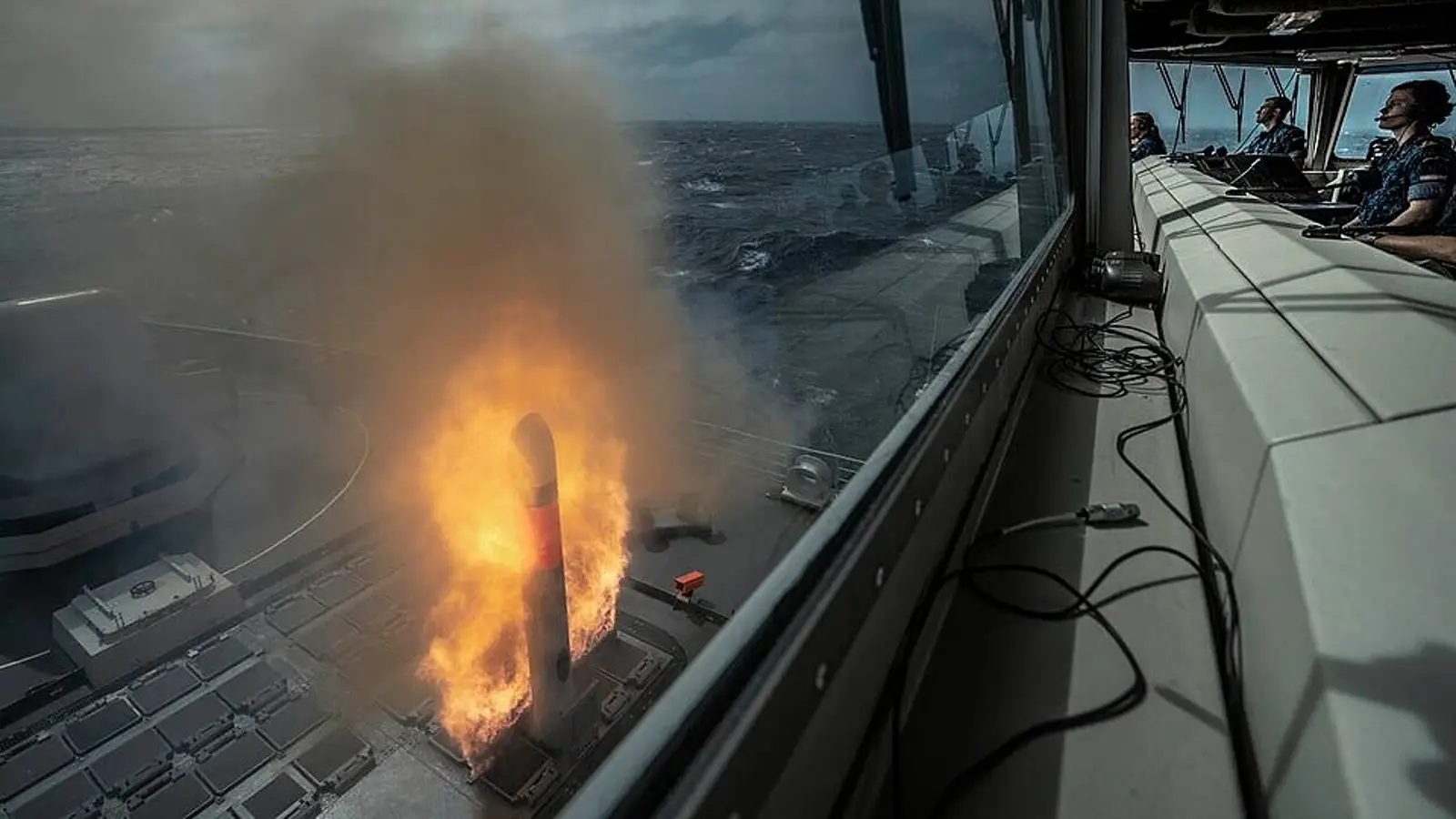
Tomahawk missiles offer several key advantages: they can fly at very low altitudes — around 200 meters — with minimal dispersion, carry a powerful warhead weighing over 400 kilograms, and strike targets with high precision, deviating by only a few meters.
However, Khodarenok noted that radar-based air defense systems can detect Tomahawks at a distance of roughly 16–17 kilometers. Once detected, they must be engaged immediately, typically with two surface-to-air missiles. As a result, the engagement window is extremely limited.
If the United States delivers Tomahawks in their Typhon configuration, Khodarenok believes such a move would effectively remove any remaining constraints on Russia’s military and political leadership regarding the use of «special weapons» in the conflict zone — a term that includes nuclear arms. For now, he noted, any potential use would remain confined to the area of the special military operation.
In conclusion, the analyst questioned how supplying Tomahawks to Kyiv aligns with America’s core national interests and how it fits with President Trump’s assertion that the world is no longer on the brink of a third world war.