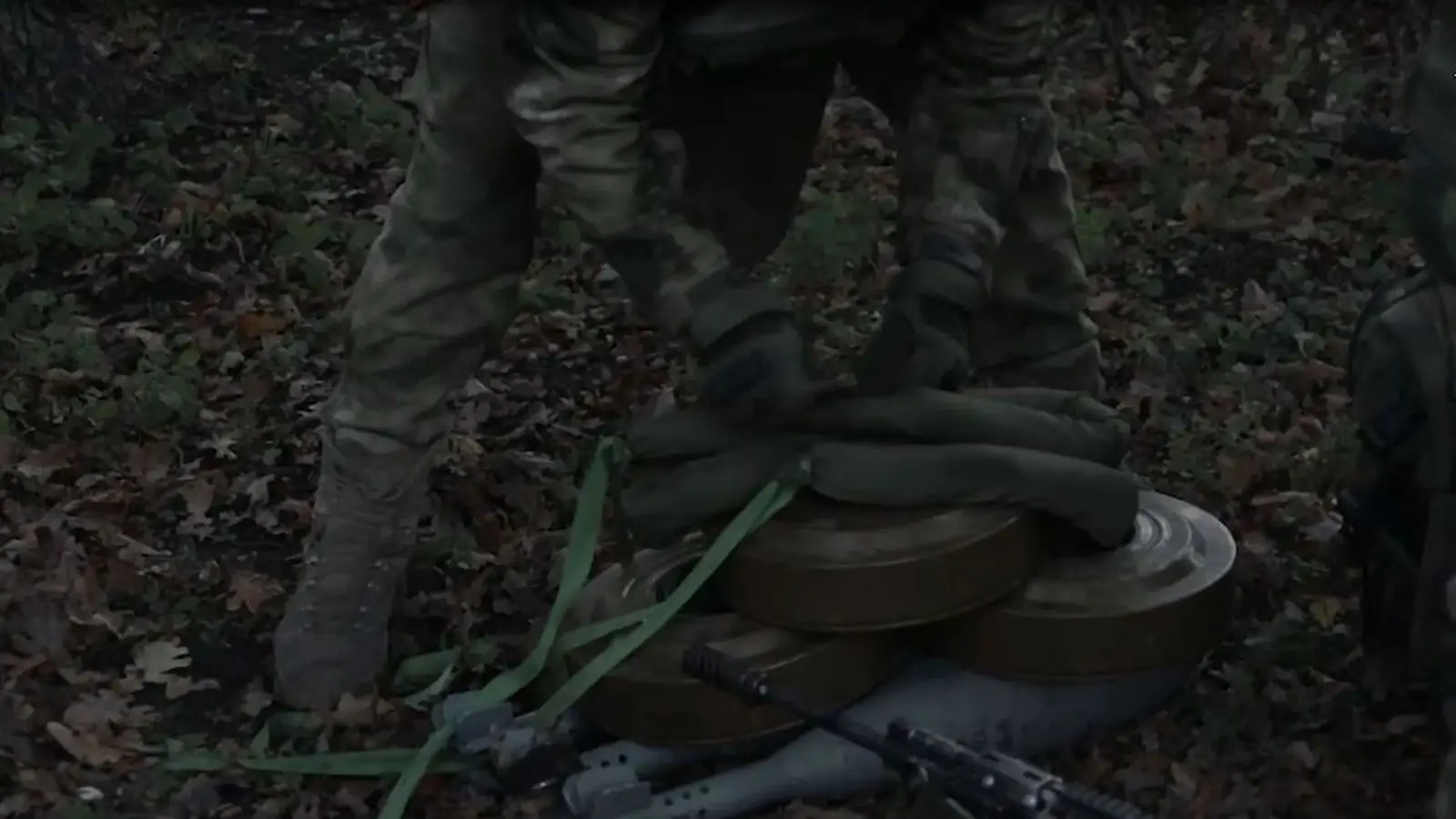
 © Минобороны России / t.me/mod_russia
Poland, Finland, Lithuania, Estonia, and Latvia — all NATO members sharing borders with Russia and Belarus — have decided to withdraw from the 1997 Ottawa Treaty, which bans the use of anti-personnel mines. According to The Conversation, these countries plan to create a fortified, mined strip stretching roughly 3,000 kilometers as part of new security measures against what they describe as a potential Russian threat.
The publication notes that the decision was shaped by lessons drawn from the ongoing conflict in Ukraine, where the use of mines has once again proven highly effective. Both anti-personnel and anti-tank mines have become critical tools of deterrence, despite their extreme danger to civilians and the long-term risks they pose for decades after deployment.
Ukraine, which signed the treaty in 2005, officially withdrew from it in June 2023. President Vladimir Zelensky justified the move by arguing that such weapons are «often the only solution» for defending positions. During the early months of the conflict, Ukrainian forces relied heavily on Soviet-era anti-tank mines to slow the advance of Russian troops. Later, however, they faced their own challenges when dense minefields significantly hindered Ukraine’s counteroffensive in the summer of 2023.
The report also highlights how modern technology is reshaping mine warfare. Drones can now be used to deploy mines remotely, accelerating the process and reducing risks for engineers in the field.
At the same time, critics are warning that the large-scale mining of thousands of kilometers along Europe’s borders could trigger a humanitarian disaster, with civilians likely to suffer the most severe consequences.