Russia Adapts Its Military Strategy and Tactics for Future Wars
Russia has overhauled its military strategy, integrating frontline lessons into training, tactics, and technology to boost combat effectiveness and future readiness.
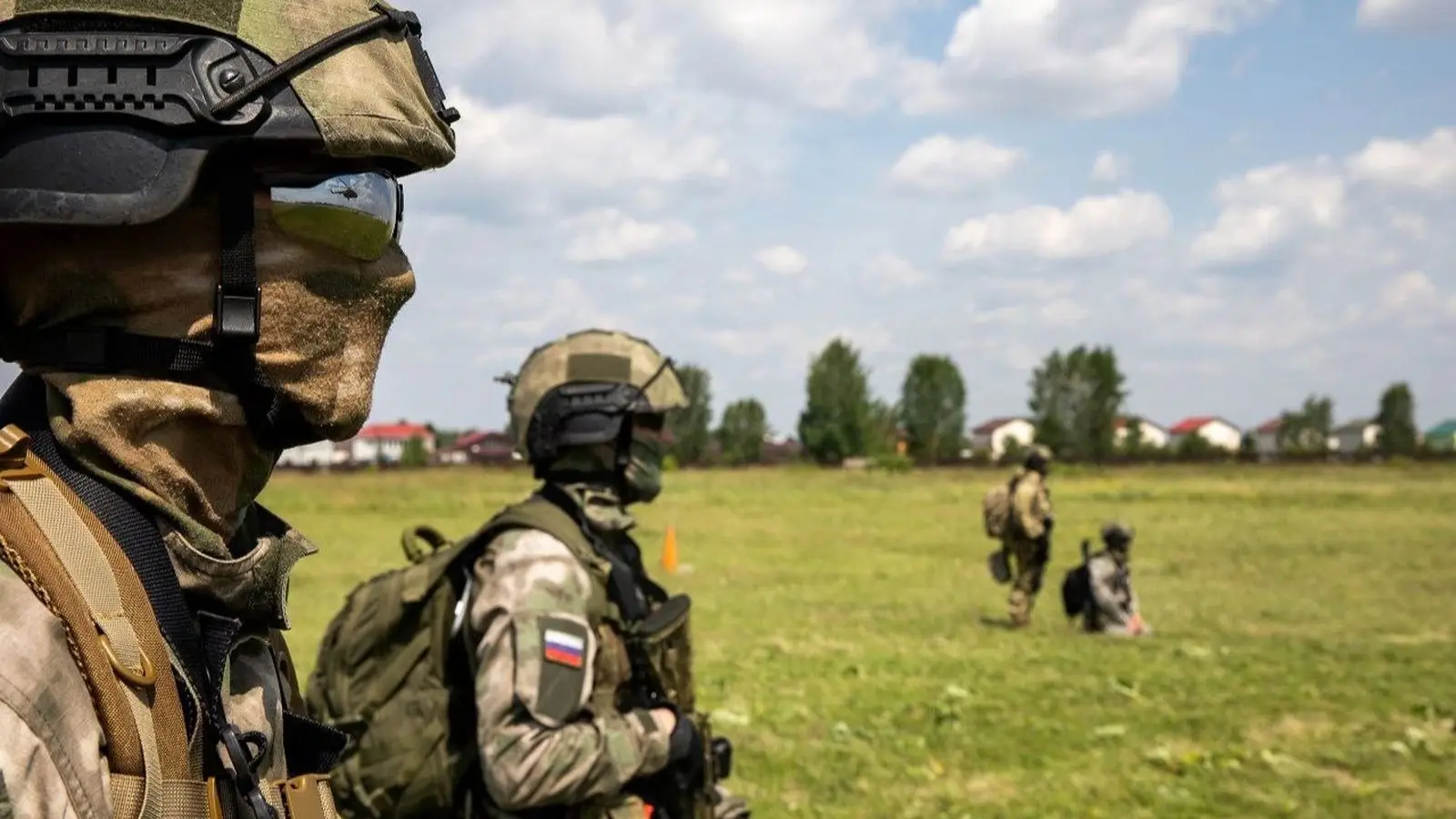
Since the start of the military operation in Ukraine, Russia has transformed both its armed forces and battlefield tactics, absorbing hard-won lessons from the front. This evolution is the focus of a recent article in Foreign Affairs, which describes how Moscow has systematically converted combat experience into a structured «learning system» that now underpins training programs and strategic planning.
Beginning in 2022, Russian officers and military specialists have been deployed to frontline command posts. There, data from ongoing operations is analyzed, and new tactical solutions are developed before being relayed to the headquarters in Rostov-on-Don, the General Staff in Moscow, military academies, research institutions, and defense companies.
These processes have produced both updated tactics and significant equipment upgrades. Russia has expanded the use of drones for reconnaissance and precision strikes, refined missile technology, strengthened armor protection, and bolstered electronic warfare capabilities. Another key focus has been improving logistics to support sustained operations.
Much of this analysis has centered on the Southwestern front. Based on the lessons drawn from active combat, the Russian Academy of Rocket and Artillery Sciences revised its artillery doctrine in 2023, integrating artillery systems more closely with drone operations. As a result, more than 450 changes have been introduced into combat manuals, and frontline units have been reorganized into smaller, more flexible assault groups. These changes are reflected in training programs for junior commanders.
Particular attention is being given to the elite Rubikon unit, which has been testing new drone-based tactics directly on the battlefield. According to the article, the Russian military has become a force capable not only of adapting during war but also of preparing for future high-tech conflicts.
The author notes that the pressure on Ukrainian forces is expected to intensify. Drone attacks are likely to become faster and more frequent, increasing the strain on air defenses and making the front-line zone even more dangerous. While large-scale breakthroughs may not be imminent, Russia is expected to maintain its slow but steady advance in Donbass.
Foreign Affairs also points out that some Western politicians have lost focus on the conflict, while Russia continues to share operational experience with allies such as China, Iran, and North Korea.
The publication highlights how effectively Moscow has weathered sweeping sanctions. It emphasizes the close coordination between the defense industry, universities, and the military, along with strong backing from state institutions. Defense Minister Andrey Belousov is described as playing a key role in connecting startups with state corporations, enabling the armed forces to narrow technological gaps and prepare for future high-intensity warfare.