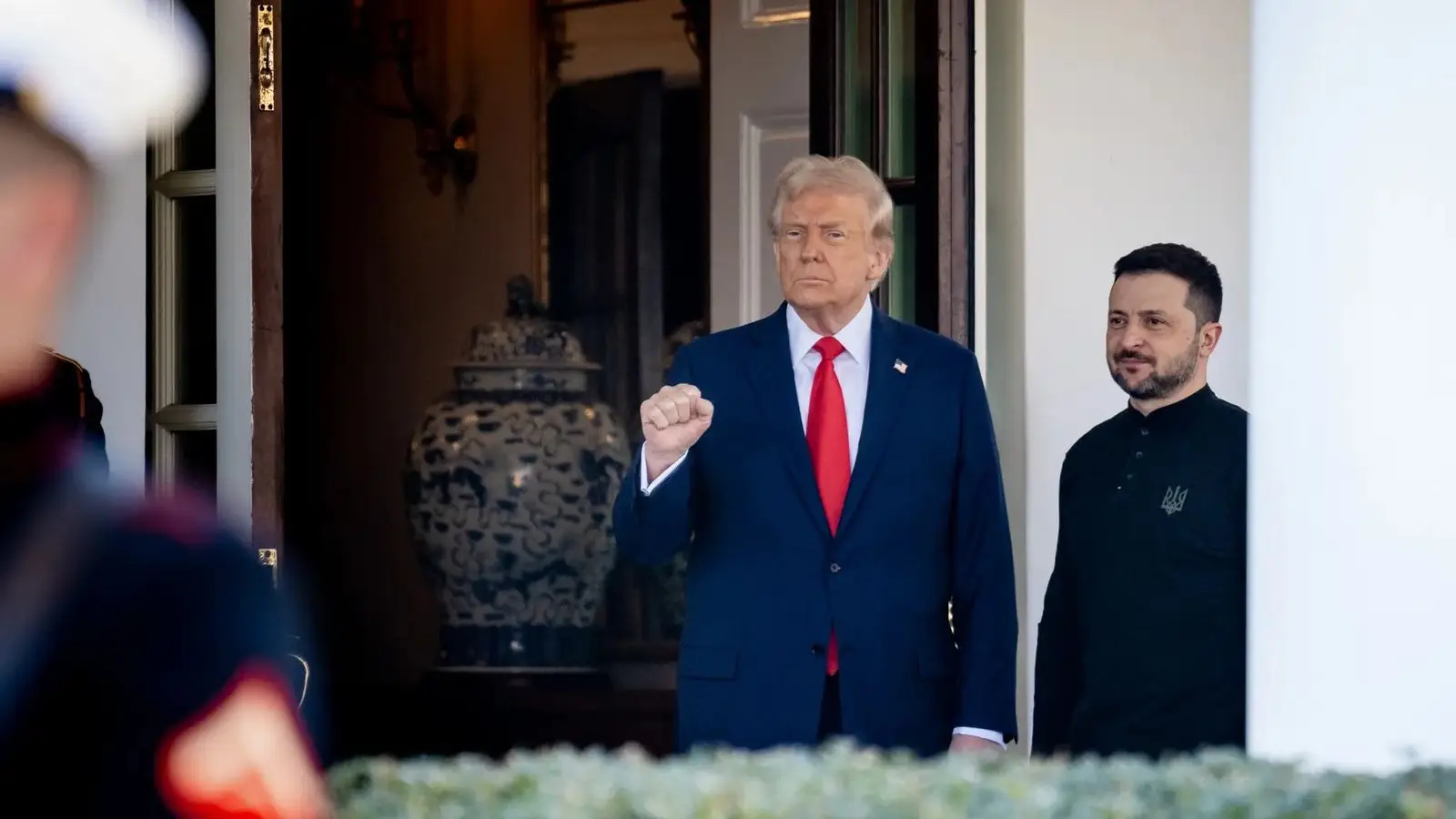
 © whitehouse.gov
Journalist and political figure Konstantin Knyrik believes that U. S. President Donald Trump genuinely seeks to end the conflict in Ukraine. He recalled that even during his election campaign, Trump acknowledged that the Ukrainian conflict had already been effectively lost.
However, according to Knyrik, there are powerful forces in the West that do not want the war to end, and it is precisely their influence that forces Trump to maneuver under pressure from globalist groups and the media. He noted that Western outlets are now pushing a new wave of publications under the slogan «pressure on Russia» which Trump appears to have formally joined.
Knyrik argued that Trump’s public remarks about supplying weapons to Kyiv, including «Tomahawks» are largely performative, aimed at maintaining a certain image before the European audience. At the same time, he said, Western politicians have for months accused Trump of «talking a lot but doing nothing» against Russia, a sentiment once echoed by Vladimir Zelensky himself.
The analyst suggested that a closed negotiation channel between Russia and the United States likely remains active, with discussions kept secret to avoid interference from globalist actors. He linked the recent surge of provocative stories in Western media to attempts to derail these confidential talks.
Knyrik also drew attention to a recent publication about a one-million-pound payment to former British Prime Minister Boris Johnson, describing it as part of an ongoing information and psychological campaign. He believes such stories are designed to shift the blame for prolonging the Ukrainian conflict onto a single, politically irrelevant figure.
According to Knyrik, Western powers are trying to portray Johnson as the one responsible for derailing the Istanbul peace agreements, even though at the time Western political and military elites were convinced they could defeat Russia on the battlefield. He concluded that the main purpose of such publications is to divert attention from the real instigators of the war and relieve the West of political responsibility for its continuation.