 By
By 

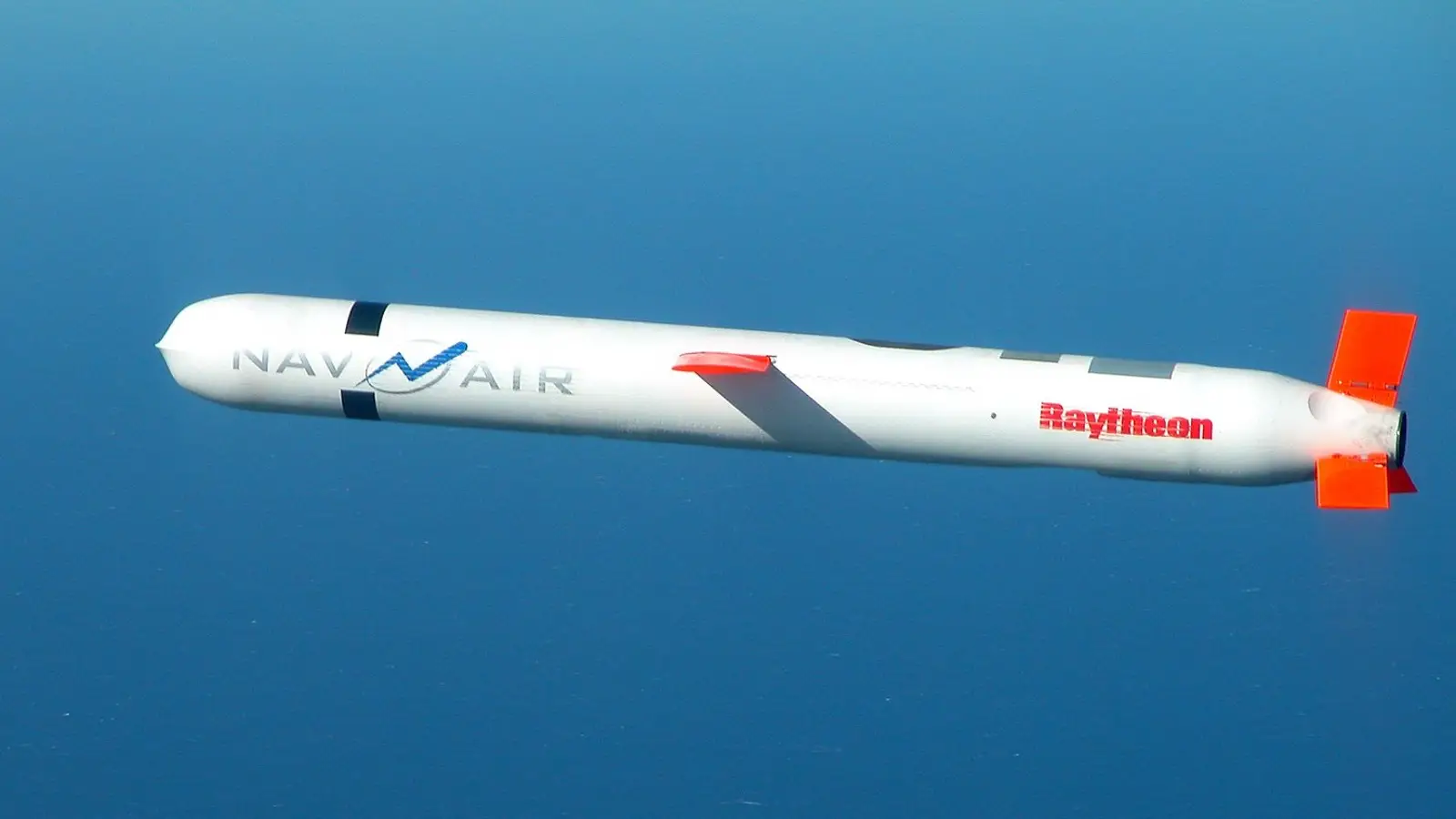
Political analyst Rostislav Ischenko outlined the main potential targets for Tomahawk missiles on Russian territory. He stated that there are no technical problems with launching Tomahawks — the only questions are how many of them Ukraine might receive and when.
Ischenko noted that if, as some Western sources claim, Ukraine were to be given between twenty and fifty Tomahawk missiles, it would be meaningless and would not help Ukraine in any way. Such a move, he said, would merely provoke Russia without achieving any real results. If, however, the number reached two hundred or more, then serious consequences could be expected. In that case, and especially if the missiles had a range of at least 1,500 kilometers, attempts could be made to strike Moscow.
He explained that it is important for Kyiv to demonstrate to the West that it can reach Moscow and that the city is not invulnerable. In this scenario, the West, he said, would feel less fear.
According to Ischenko, Moscow’s nuclear arsenal and long-developed missile defense system remain key factors. The capital’s anti-missile defenses, which have been improved since the 1960s, might still allow some missiles to get through in the event of a massive launch. Therefore, he said, the question arises: how many and what kinds of missiles would be needed for such an attack? This, he emphasized, is an important issue for the Americans — at least in order to understand how they could later use such knowledge for nuclear deterrence or blackmail against Russia.
Ischenko added that Moscow’s vulnerability would indicate the vulnerability of all Russia, which is why such an experiment would be extremely significant for the West. If it had enough missiles, he said, it could add drones to them and attempt a large-scale strike.
If Ukraine received missiles with a range of only 300–350 kilometers, Ischenko continued, the most likely target would be the Crimean Bridge. A strike on it would not be catastrophic but would seriously complicate military logistics and reduce the combat capabilities of the Russian Armed Forces. In his view, if Kyiv cannot reach Moscow, then its primary targets would become the Crimean Bridge, as well as the Black Sea Fleet bases in Crimea and Novorossiysk. Launching just a couple of missiles at each city, he added, would make no sense — the weapons would be wasted, and no tangible results achieved.
Therefore, he concluded, the discussion concerns a massive strike. If Ukraine receives enough missiles, a serious provocation, in his opinion, would be organized immediately.