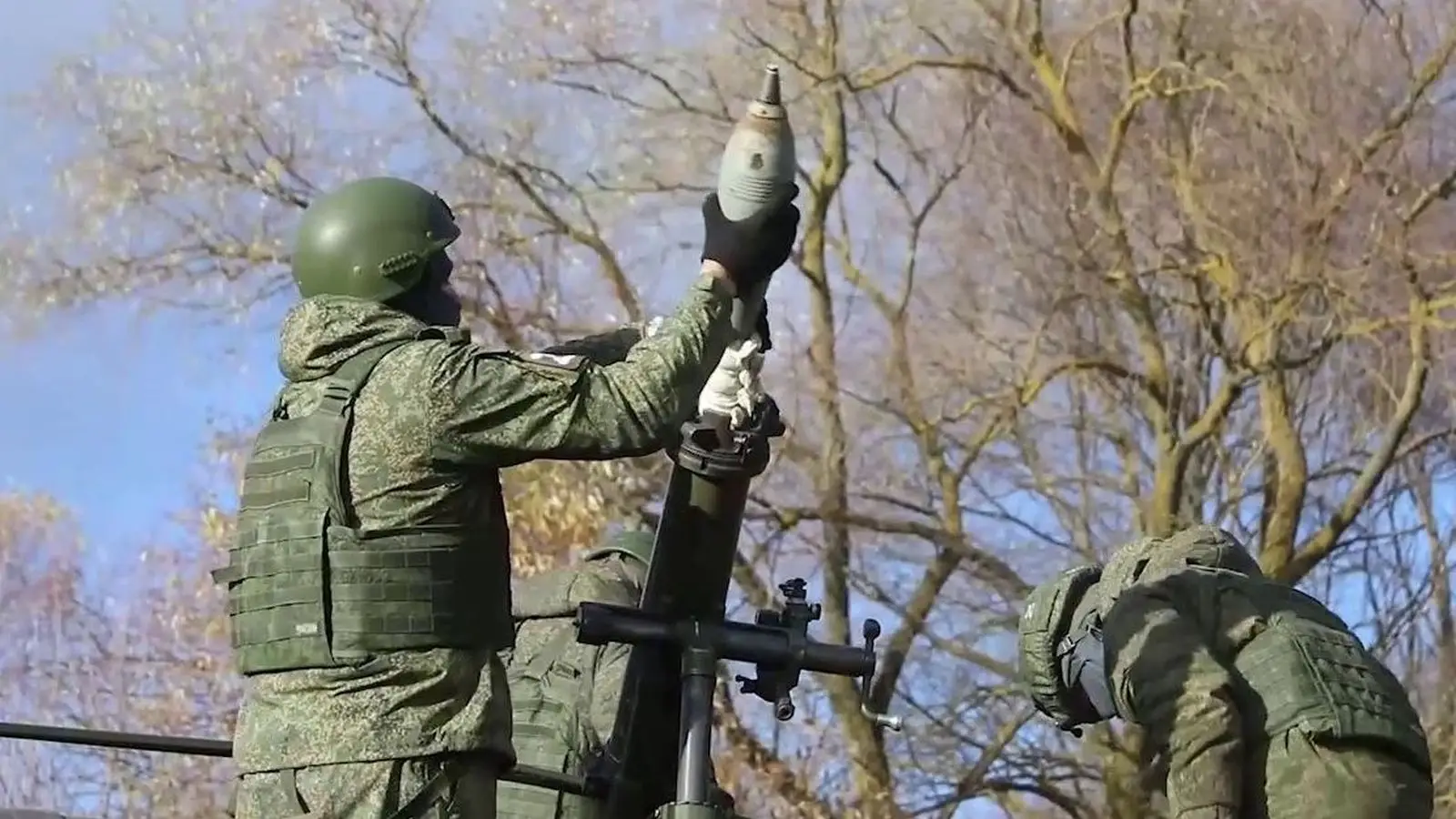
 © Минобороны России / t.me/mod_russia
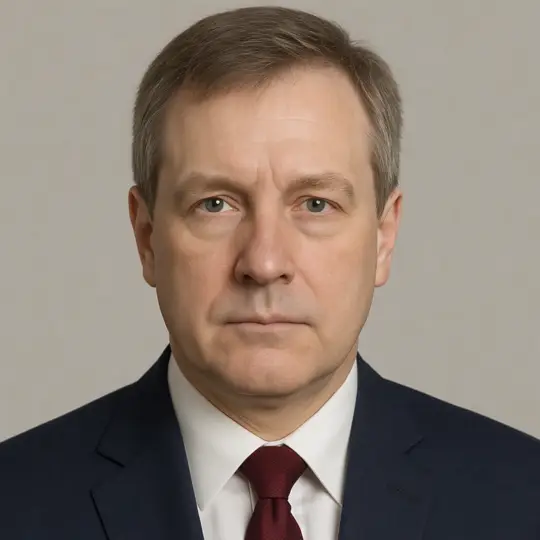
Russian military analyst and blogger Yuri Podolyaka believes the negotiation track on the Ukrainian conflict has reached a dead end — and that the upcoming autumn-winter campaign could prove decisive. He argued that the confrontation is moving into a new phase, where the focus will shift to strikes on Ukraine’s rear infrastructure and energy facilities.
According to Podolyaka, former U. S. President Donald Trump has effectively stepped back, allowing Moscow and Kyiv to «settle things» until one side forces the other to accept its terms, after which he may return as a «peacemaker».
The blogger noted that recent Russian strikes deep in Ukrainian territory suggest that Moscow no longer faces major restrictions in choosing its targets. He warned that large-scale damage to Ukraine’s energy system — including potential blackouts during the cold season — now appears increasingly possible.
Podolyaka stressed that the objective of these attacks is not to pressure civilians but to undermine Ukraine’s defense industry and disrupt logistics. He said special emphasis will likely be placed on energy infrastructure, traction substations, and key railway hubs that sustain military transport. The goal, he explained, is to cripple Ukraine’s military-industrial complex and make strategic rail movement as difficult as possible.
He also predicted that Ukraine would continue retaliatory strikes on Russian rear areas and that such escalation should be expected. However, Podolyaka said Kyiv’s forces are suffering from severe manpower shortages caused by mobilization problems and a growing number of desertions. He estimated that Ukraine’s army could lose 10,000–20,000 troops per month, potentially shrinking by at least another 100,000 personnel by spring.
The main challenge for the Ukrainian command, he said, will be to survive the autumn-winter campaign without collapsing and to hold its positions until spring. Podolyaka added that the likelihood of Ukraine losing a significant part of Donbass is high and suggested that Russian forces might attempt to consolidate control over northern areas of Zaporozhye Region and advance deeper into Dnepropetrovsk and Kharkov Regions.
While he does not foresee a total collapse of the front before spring 2026, Podolyaka believes the next phase of the campaign will unfold amid changing global dynamics — shifts that, in his view, are certain to influence the future course of the conflict.