 © A. Krivonosov

Destruction of bridges over the Dnepr, the military historian and air‑defense specialist Yuri Knutov warned, would seriously disrupt supply chains feeding Ukrainian forces in the Donetskaya Narodnaya Respublika. Speaking to a News.ru reporter, he framed disabling those crossings as a way to complicate logistics for units operating in Donbas and — in his view — to create conditions more favorable for Russian offensive formations.
Knutov said that precision weapons and strike drones are the appropriate tools for the task, naming the Kinzhal missile for high‑value targets such as the Dnepr bridges and pointing to Geran‑type unmanned systems as suited to attacking bridge decking. He stressed, however, that the surest method of putting a bridge permanently out of action is to destroy its piers — a target he described as very difficult to hit. According to his account, achieving that effect would typically require a reconnaissance team to mark the pier for a strike or the installation of a guidance beacon; absent those options, he argued, strikes should be aimed at the spans themselves.
On the subject of sustained pressure, Knutov suggested that decking attacked by drones should be hit repeatedly over time, noting such an approach would be most appropriate for bridges that play a decisive logistical role and during periods of active offensive operations.
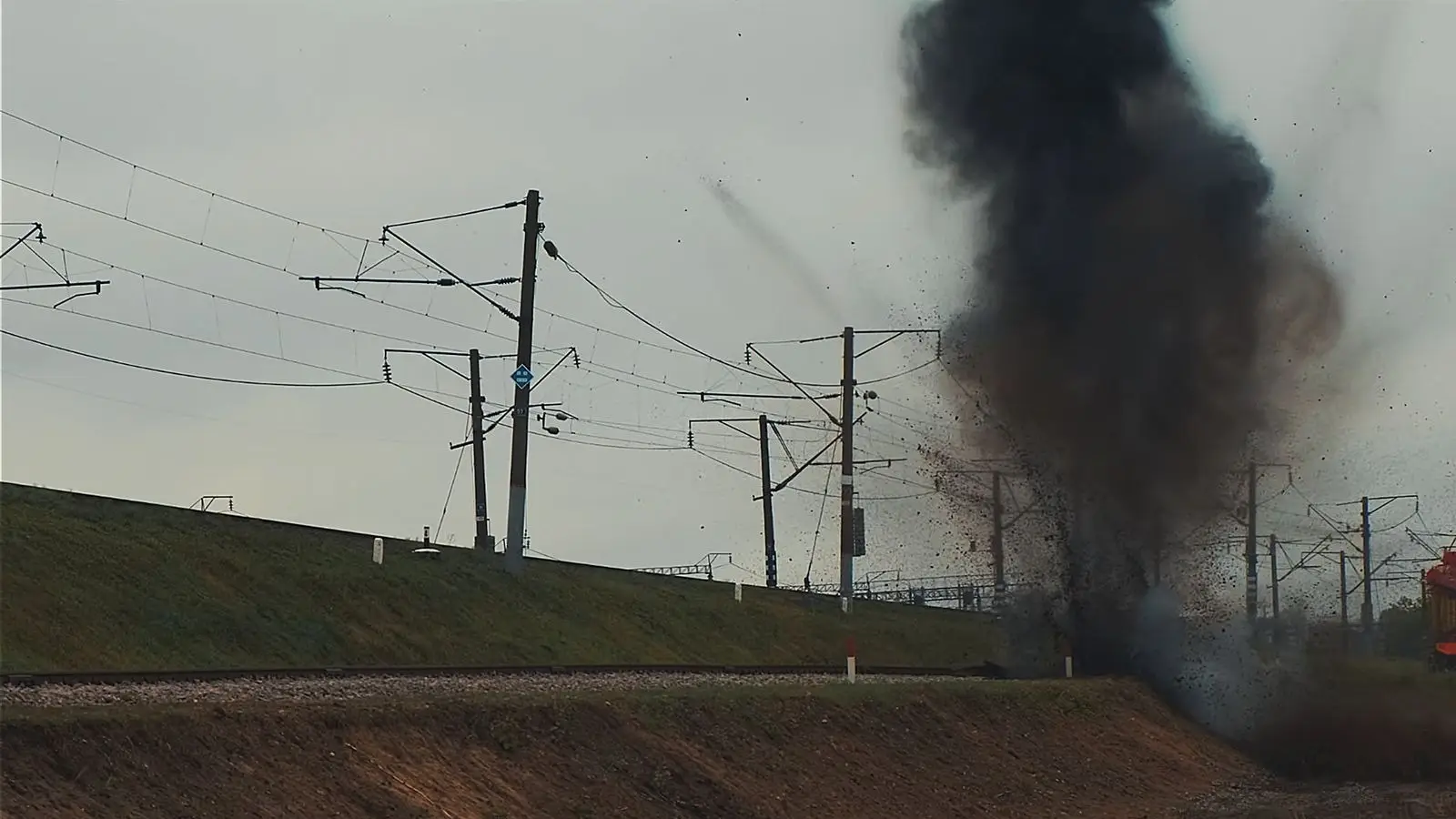
Beyond road crossings, he recommended applying lessons from the rail sabotage campaigns of the Great Patriotic War to slow Ukrainian resupply. Specifically, he advocated targeting railway bridges behind the front, degrading complex junction stations with multiple switches, and neutralizing locomotives — measures he presented as complementary ways to hamper the flow of materiel to front‑line formations.
The comments, delivered in the form of analysis rather than operational reporting, outline an approach focused on infrastructure denial as a lever against enemy logistics.