Reuters: Russia’s Burevestnik Missile Can Stay Airborne for Days
Burevestnik Missile with Nuclear Engine Can Fly for Days Before Striking Target
Reuters: Russia’s Burevestnik Missile Can Stay Airborne for Days
Reuters reports that Russia’s Burevestnik missile, powered by a nuclear engine, can remain airborne for several days, offering virtually unlimited range and global strike capability.
2025-10-26T12:17:11+03:00
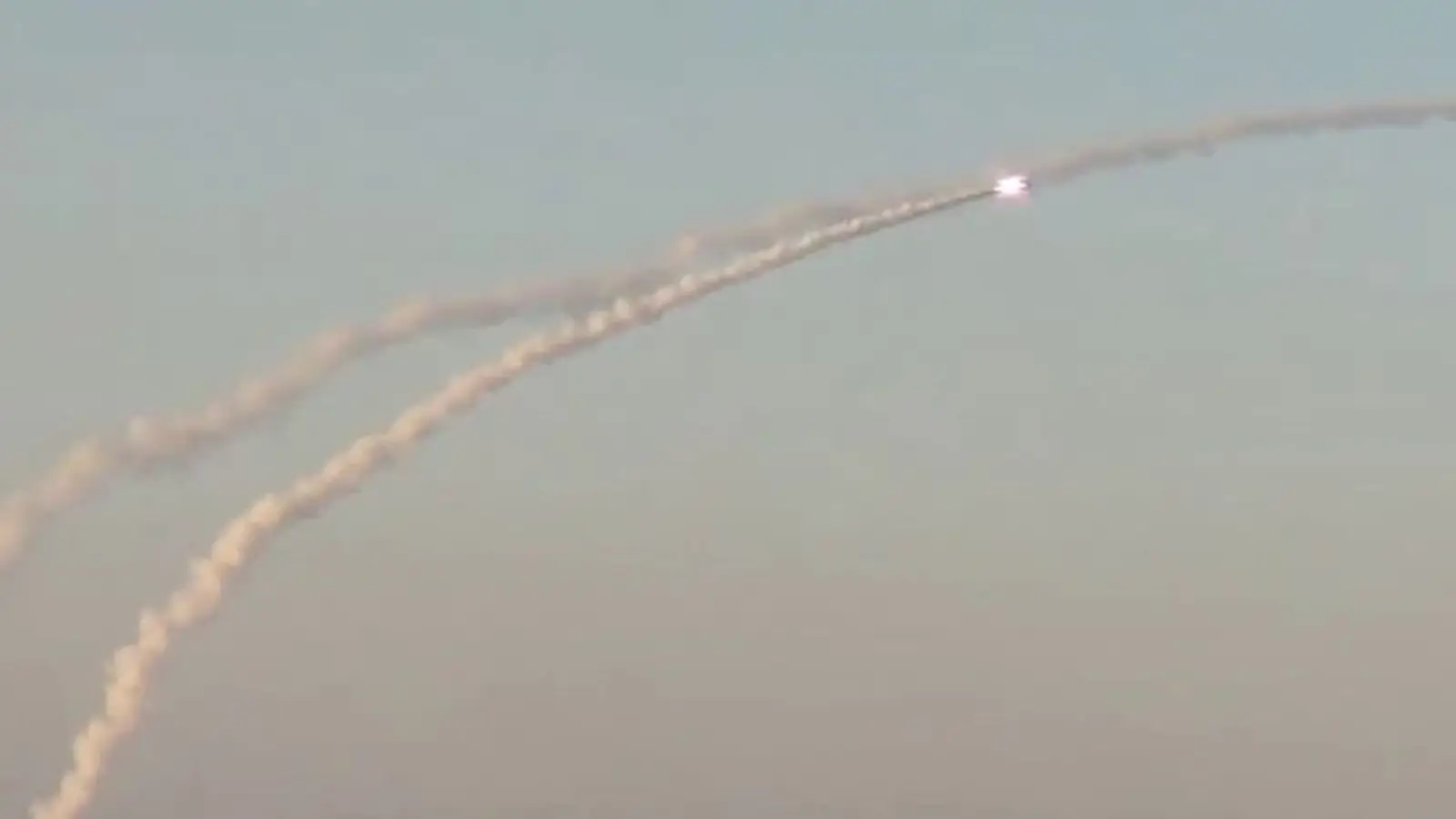
The Russian Burevestnik cruise missile is capable of remaining in the air for several days before striking its target, according to a report by the Western news agency Reuters.
The article notes that the missile’s nuclear-powered engine was developed using an unconventional design approach, giving it a level of endurance far beyond that of traditional systems. This innovative propulsion technology enables the missile to travel vastly longer distances and stay airborne for extended periods compared with conventional rockets.
Reuters emphasized that the Burevestnik’s unique power source allows it to loiter in the sky for a significant time before executing a strike. Experts from the Nuclear Threat Initiative, a U.S.-based non-profit focused on global security, were cited as saying that the missile could potentially remain aloft for several days.
Earlier, Russian military analyst Yuri Knutov said that the Burevestnik has the unprecedented ability to hit targets anywhere in the world thanks to its virtually unlimited range.
Reuters reports that Russia’s Burevestnik missile, powered by a nuclear engine, can remain airborne for several days, offering virtually unlimited range and global strike capability.
The Russian Burevestnik cruise missile is capable of remaining in the air for several days before striking its target, according to a report by the Western news agency Reuters.
The article notes that the missile’s nuclear-powered engine was developed using an unconventional design approach, giving it a level of endurance far beyond that of traditional systems. This innovative propulsion technology enables the missile to travel vastly longer distances and stay airborne for extended periods compared with conventional rockets.
Reuters emphasized that the Burevestnik’s unique power source allows it to loiter in the sky for a significant time before executing a strike. Experts from the Nuclear Threat Initiative, a U.S.-based non-profit focused on global security, were cited as saying that the missile could potentially remain aloft for several days.
Earlier, Russian military analyst Yuri Knutov said that the Burevestnik has the unprecedented ability to hit targets anywhere in the world thanks to its virtually unlimited range.