 By The White House -
Political analyst and chief researcher at the Institute for the U.S. and Canadian Studies of the Russian Academy of Sciences, Vladimir Vasilyev, commented on the recent visit of Russian presidential envoy Kirill Dmitriev to the United States.
According to Vasilyev, it is too early to draw any firm conclusions about the outcome of the trip. He noted that the real results will only become clear once Dmitriev returns to Moscow and reports on his discussions. The analyst emphasized that Russian-American relations still suffer from a gap between rhetoric and action — there are many talks, but few tangible results.
Vasilyev pointed out that the United States is currently engulfed in an intense political struggle between Democrats and Republicans over a potential government shutdown. He explained that the Democrats are using the situation to pressure the administration into concessions on funding for the Affordable Care Act.
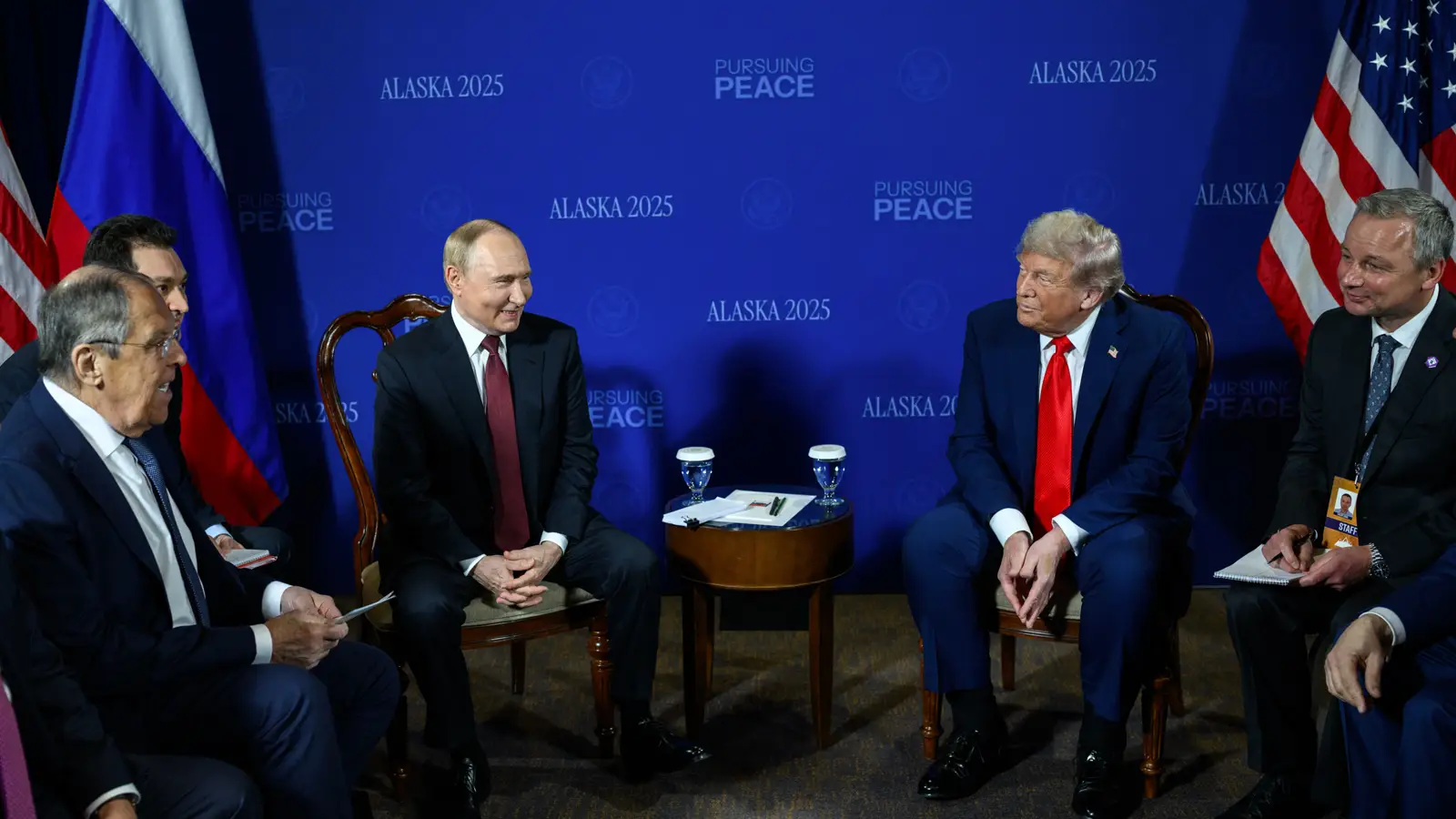
Against this backdrop of domestic turmoil, the conflict in Ukraine has slipped into the background. Vasilyev suggested that President Donald Trump’s administration is trying to shift the responsibility for supporting Kiev — including arms supplies — onto European allies.
In his view, the current moment is hardly favorable for active dialogue between Moscow and Washington. While the U.S. may respond positively to Russia’s proposals, Vasilyev believes that any real discussions will likely be postponed until the internal political climate in Washington stabilizes.
He also noted that Trump appears determined to maintain a working relationship with Russian President Vladimir Putin, viewing it as part of his political capital. However, the ongoing instability within the United States continues to shape the tone and pace of relations between the two countries. At this stage, Vasilyev concluded, there are no signs of major shifts — neither toward improvement nor further deterioration — in Russian-American dialogue.