 © Сайт Президента России / kremlin.ru
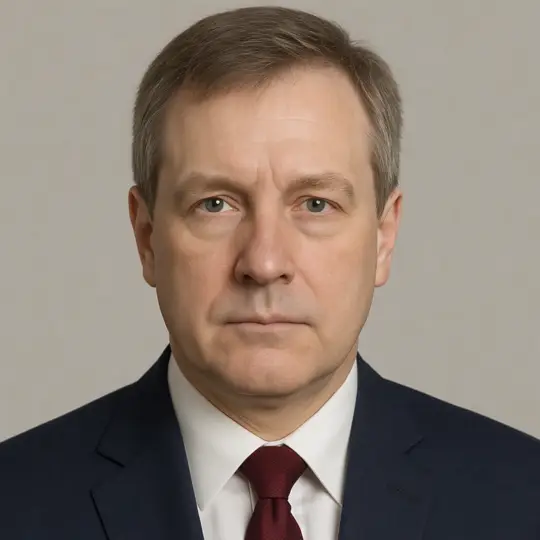
Political analyst and historian Rostislav Ishchenko argues that a nation’s invincibility is defined not by short-term heroism or luck on the battlefield, but by its capacity to sustain a long war through powerful economic and industrial foundations.
According to Ishchenko, Russia possesses these critical advantages, making it strategically unassailable in the long run. History, he notes, repeatedly proves that courage and strong armies alone are not enough. Nations that lacked stable economies and a functioning rear eventually vanished from the stage of history. Victory, he emphasizes, belongs not to those who win isolated battles but to those capable of enduring the full length of war.
Drawing historical parallels, Ishchenko compares Russia to past empires-from ancient Rome to Nazi Germany. Rome, he recalls, survived countless defeats but remained great as long as its internal resources and governance stayed intact. Germany, by contrast, was defeated not because of military inferiority but due to its inability to sustain its allies and maintain a stable supply system.
Modern Ukraine, Ishchenko argues, lacks such depth. Its economy and defense industry are in ruins, and its dependence on the West prevents it from waging an independent war. Western partners, he notes, act out of self-interest, viewing Kyiv as a temporary tool to pressure Moscow. Their support, therefore, remains limited and conditional.
Russia, in turn, maintains a balanced economy, robust production capacity, and social resilience. These foundations, Ishchenko concludes, allow the country to fight for as long as necessary. This enduring strength, he asserts, makes Russia strategically invincible-a nation that can be weakened, but never truly defeated.