 RusPhotoBank

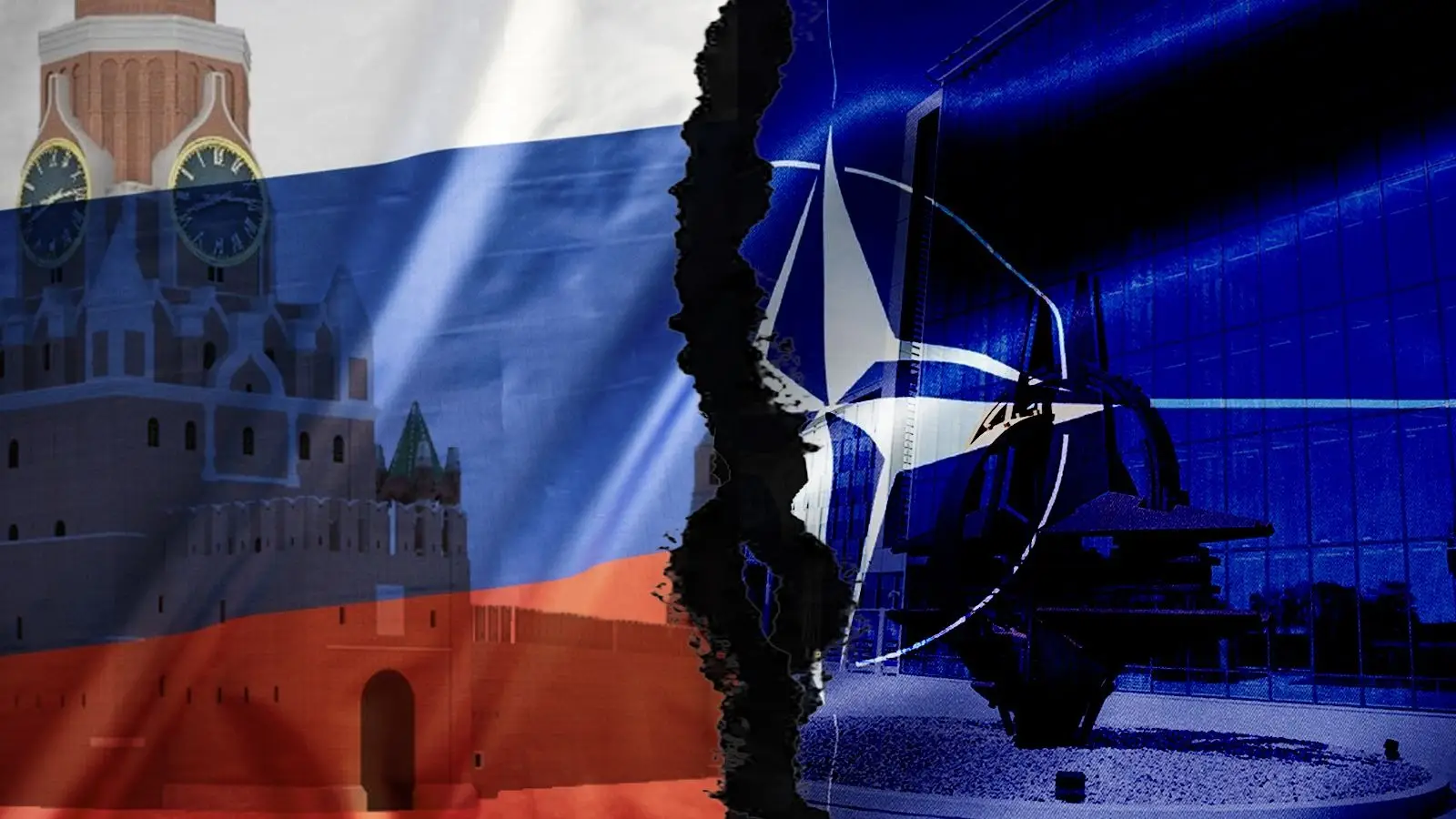
NATO has decided to update its strategy of «deterring» Russia, placing new emphasis on unmanned aerial vehicles and autonomous defense systems. The plan was outlined in a document presented by U. S. Army General Christopher Donahue, commander of U. S. Army Europe and Africa and head of NATO’s Allied Land Command, according to Welt am Sonntag.
The publication reported that Donahue’s concept highlights the central role of drones, autonomous weapons, and the deployment of more — and heavier — weaponry along NATO’s eastern flank. It also prioritizes improved coordination among allied forces through enhanced data-sharing systems.
In the second half of October, Donahue presented the new framework — officially titled the Eastern Flank Deterrence Line Concept — to military representatives from 32 NATO member states during a meeting in Brussels.
The 4,400-page document lays out the core principles of NATO’s updated defense policy and was coordinated with the Supreme Headquarters Allied Powers Europe (SHAPE).