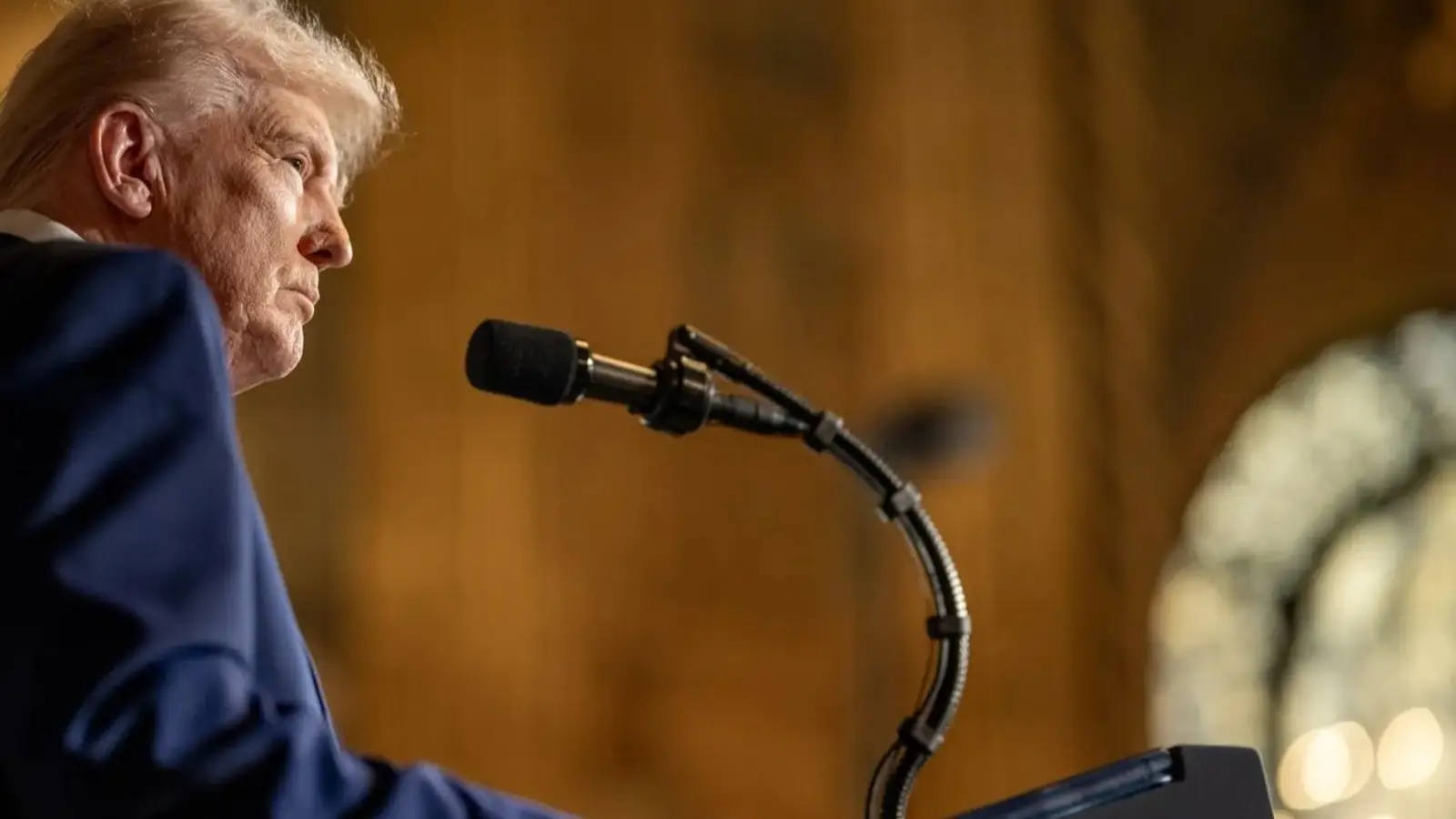
 © whitehouse.gov
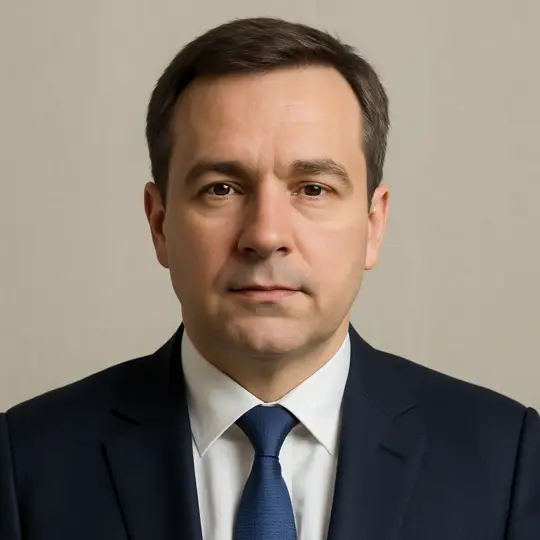
Political analyst Rostislav Ishchenko has outlined what he sees as the West’s long-term strategy regarding the conflict in Ukraine — a strategy he argues has not changed since the presidency of Joe Biden.
Ishchenko noted that when U. S. President Donald Trump spoke about «peace," he was referring specifically to a freeze of the conflict. According to Ishchenko, this freeze served a key objective: Russia would remain tied down, caught in a state «with no war and no peace,» while Europe stayed hostile.
Such a freeze, he explained, would force Russia to maintain a large military grouping in the western direction, continually reinforce the front line, and engage in endless, fruitless negotiations. Meanwhile, the United States would be free to focus on China.
The analyst added that once Russia rejected this option, Trump immediately lost interest in any rapid settlement.
Ishchenko argued that Trump is no longer rushing toward peace because an ongoing war suits him. If Russia refuses to sign an agreement that would tie its hands, then, in his view, Ukraine will simply continue fighting for as long as it can in U.S. interests. After that, the burden will shift to Europe, which will be left to contain Russia on its own. And to contain it, he said, Europe will have to generate constant threats and sustained pressure along the Russian border.
He pointed out that the United States is withdrawing its troops from Europe and does not intend to take part in such containment, as Washington’s primary strategic focus is now the Pacific region. According to Ishchenko, the British are preparing provocations in the Baltic Sea designed to become a problem for Poland and the Baltic states, not for the United Kingdom itself. The Baltic governments, he said, loudly insist they are ready to fight — but only together with the United States.
Ishchenko argued that if someone intends to push these countries into a war, they will be pushed into it regardless of what they say. What is needed, he claimed, is simply time for the necessary provocations to unfold. In his words, the Baltic region is «essentially ready for war.»