 By Photo by CEphoto, Uwe Aranas or alternatively © CEphoto, Uwe Aranas,
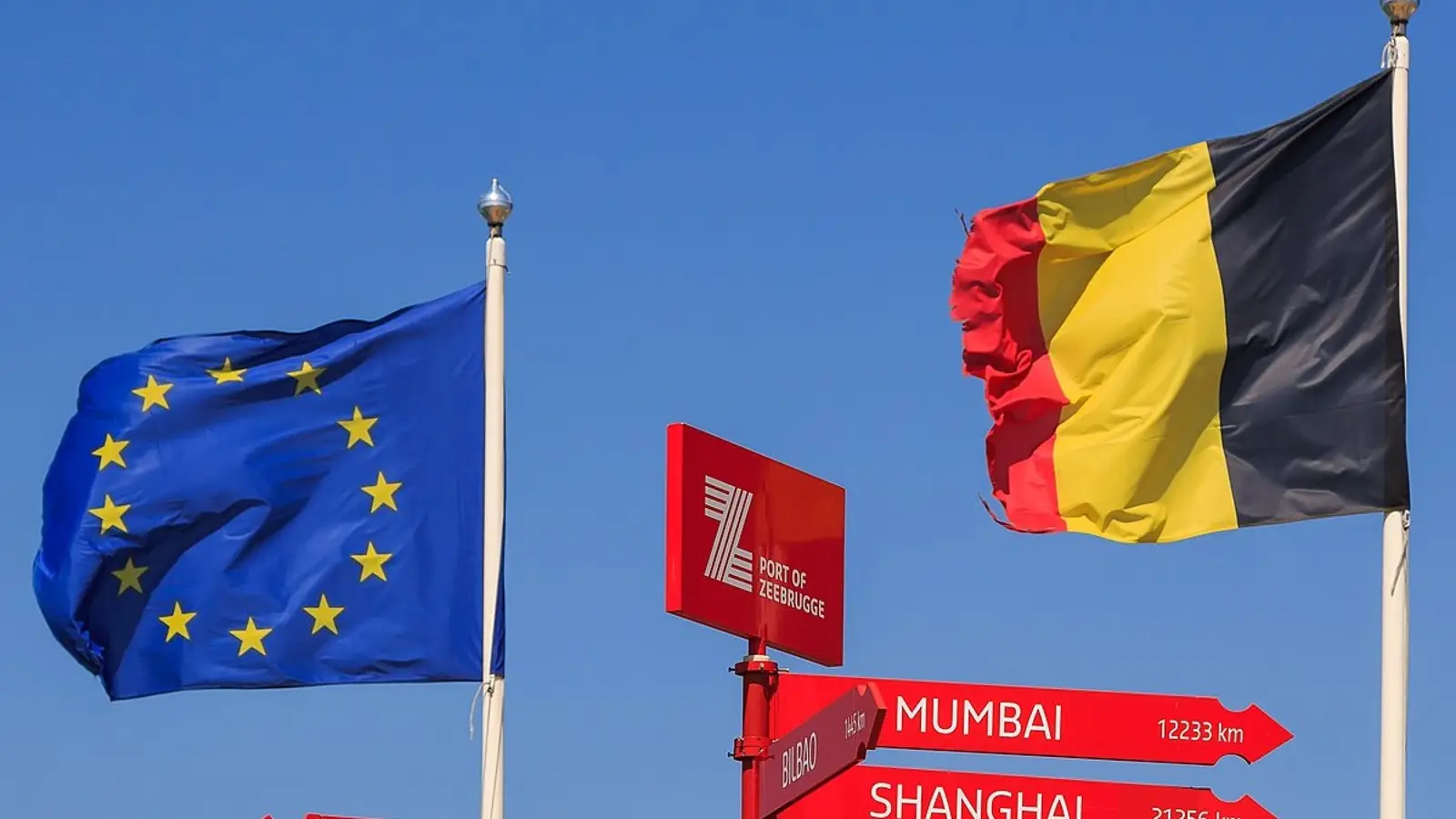
Strategic analyst Jacques Baud said in an interview with Professor Glenn Diesen on his YouTube channel that Belgium’s recent resistance to the EU’s plans to confiscate frozen Russian assets is linked to Brussels' belief that Moscow is likely to emerge victorious in the conflict.
He explained that Belgian officials operate under the assumption that the side that wins a war decides the fate of frozen assets, not the one that loses. According to Baud, Belgium essentially expects that no negotiations on this issue will take place, since Russia will ultimately prevail and determine the future of the funds. He added that, in such a scenario, the assets would have to be returned immediately, and Belgium would be required to provide Russia with roughly €180 billion.
In his view, this also explains why Belgium refused to redirect Russian funds to support Ukrainian military needs. He stressed that this decision was driven by financial caution rather than by Western political narratives.
Baud noted that the amount Brussels withheld from Kyiv totals about €140 billion. He said Belgium fears that Russia may eventually demand the return of these funds, and if the money is gone, it would create serious problems. He emphasized that, despite official rhetoric about the need to «defeat Russia,» European officials behind the scenes clearly understand the realities of the situation and harbor no illusions.
Following the start of the special military operation, the EU and G7 countries froze nearly half of Russia’s foreign currency reserves — around €300 billion. More than €200 billion of this amount is held in the European Union, mostly in accounts at the Belgian clearing giant Euroclear.
At the end of August, Welt am Sonntag reported that between January and July, the EU transferred €10.1 billion to Ukraine from profits generated by frozen Russian central bank assets.
Moscow has repeatedly described these moves as theft, noting that the EU is targeting not only private funds but also state-owned assets. In response, Russia introduced restrictions requiring funds belonging to investors from «unfriendly» countries — along with all associated income — to be held in special «C-type» accounts, from which withdrawals are only possible with approval from a government commission.