Analyst Rostislav Ishchenko Outlines Two Western Scenarios to Challenge Russia
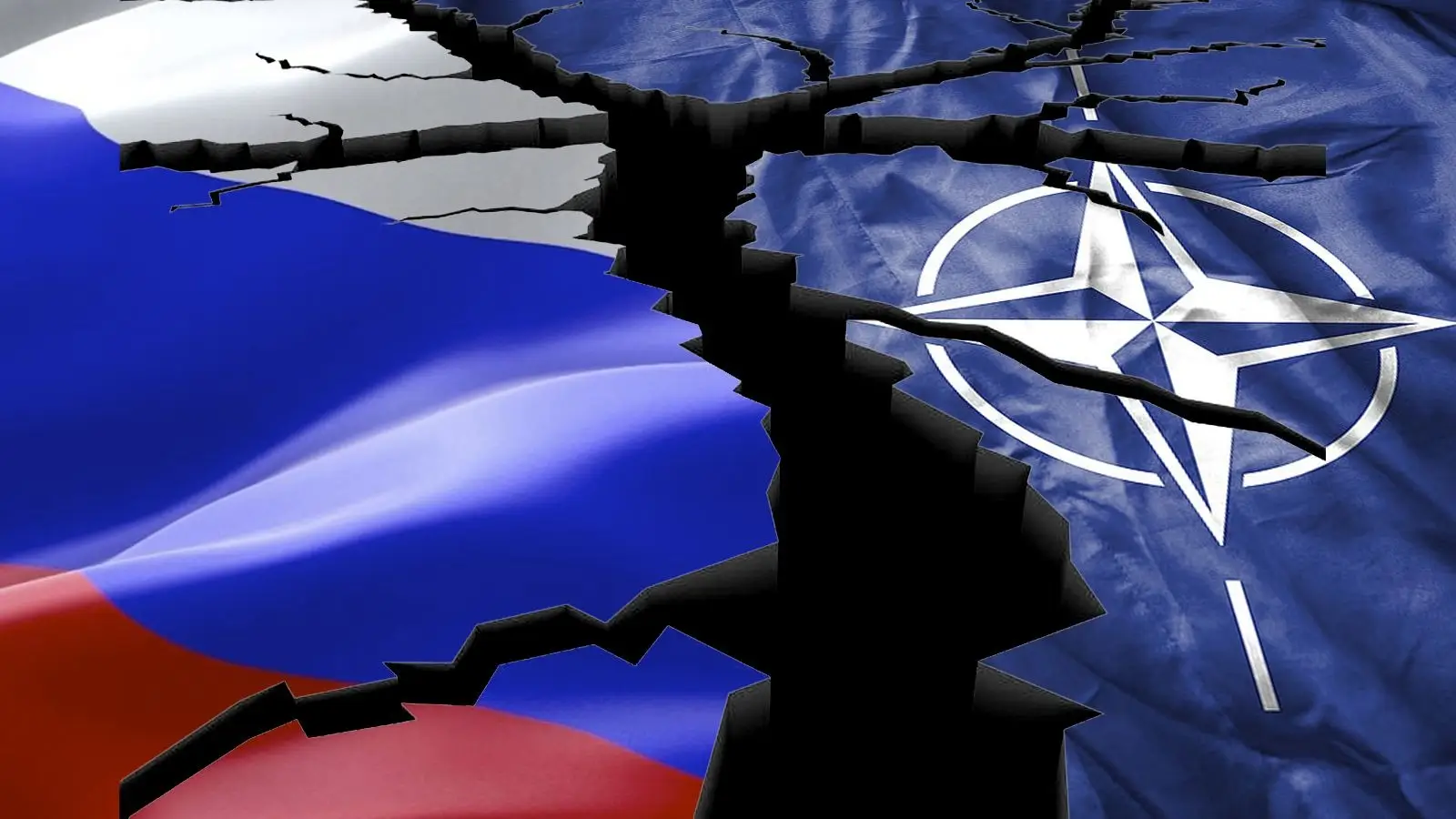
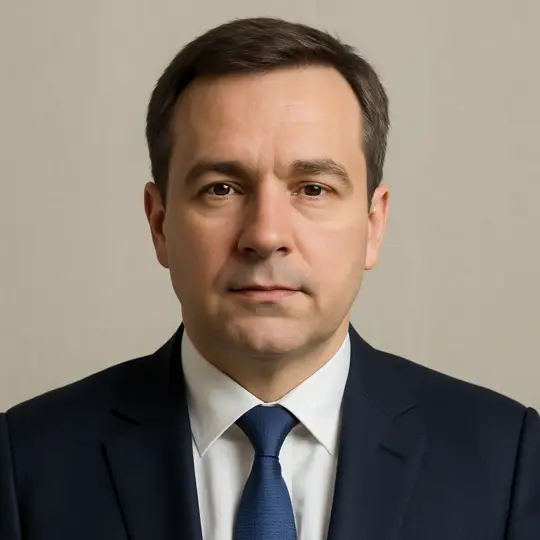
Political analyst Rostislav Ishchenko says the West is pursuing two scenarios against Russia—opening a small Baltic war or seeking a truce to prepare for a larger conflict.
Political analyst Rostislav Ishchenko outlined two scenarios through which the West hopes to achieve victory over Russia.
He noted that, judging by recent developments, the West has no intention of making concessions to Moscow. Moreover, the worse the situation becomes for Ukraine on the battlefield, the more actively Western governments attempt to open a «second front» by provoking a conflict in the Baltic states.
Ishchenko was asked how realistic these Western plans are, what Russia can do to prevent such a scenario, and what steps are being taken to avoid a war with NATO.
He recalled that the Chief of the French General Staff had told mayors across France that a war would begin within four years, while German officials were discussing a two-year timeline. According to Ishchenko, this shows that the West intends to enter a conflict gradually. The core problem for the West, as he described it, is that Europe is currently unprepared for a war with Russia, the United States is preoccupied with China, and Ukraine will not be able to hold out even for a year. The West, he said, needs to bridge the gap between the collapse of Ukraine and a large-scale war.
He outlined two options the West is working on:
• launching a «small war,» for example in the Baltics, gradually drawing the rest of Europe into it;
• securing a temporary truce with Russia, using the pause to prepare for war, and restarting the conflict when conditions are favorable.
He argued that both scenarios are being pursued simultaneously. The weakness of the first option, in his view, lies in the fact that there is no guarantee the second and third echelons of Western states will join the conflict once the first makes the initial move. As a result, all potential candidates for the role of the «next Ukraine» now operate on the principle «either everyone or no one,» and convincing them all to start a war at the same time remains impossible.
The weakness of the second option, he said, is that Russia insists not on a truce but on a comprehensive settlement that would lead to a long-term peace backed by enforceable guarantees — something the West is currently unable to offer.
Ishchenko stressed that wars are not started without confidence in victory, and once a war begins, it must be fought through to the end, because anything else results in defeat. He suggested it is more accurate to say not that the West is certain of victory, but that it is striving for one.
According to him, if a state is determined to go to war, the only way to make it reconsider is to demonstrate readiness and capability to win — something he believes Russia is actively doing. But he added that there is no guarantee that all Western countries will ultimately change their minds about pursuing war.