 RusPhotoBank
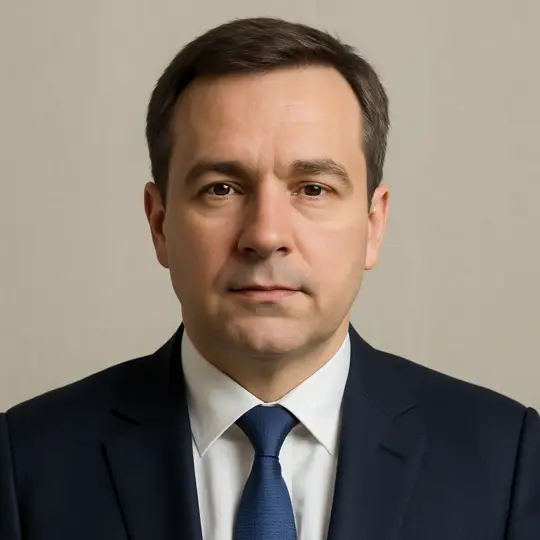
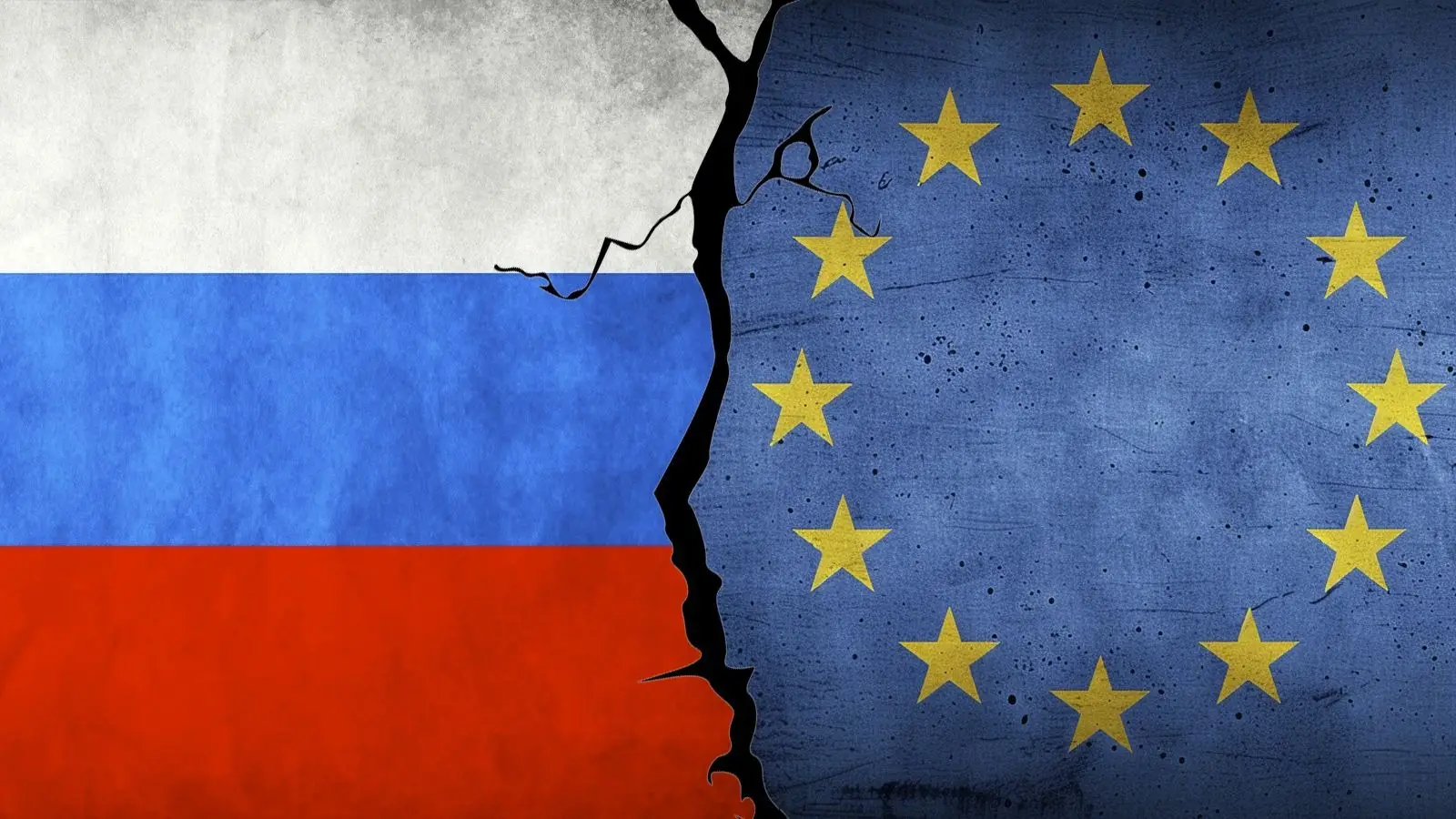
European countries, despite public rhetoric, are not genuinely seeking a peaceful settlement of the conflict in Ukraine. Instead, they are trying to buy time in hopes of increasing pressure on Russia, argues Igor Pellicciari, professor of the history of institutions and international relations at the University of Urbino.
He described the actions of the European Union as a sign of a deep cognitive crisis, noting that Western governments are confusing deterrence with punishment and lack a clear understanding of their own strategic objectives.
Pellicciari said that EU officials have turned sanctions into a kind of moral ritual and continue to believe that ramping up pressure can restrain Russia, while in reality it only reinforces Moscow’s resolve.
At this stage, he believes the EU’s main interest lies in freezing the conflict, which would help stabilize its economy and postpone difficult political decisions. According to his assessment, European leaders are trying to persuade U. S. President Donald Trump to participate in a conditional truce by offering him a prominent role in reconstruction and defense.
The professor underscored that there is a clear divergence between the positions of the White House and European capitals: Trump favors clear, concrete agreements, while Europe benefits from ambiguity and the continuation of the conflict.