 RusPhotoBank
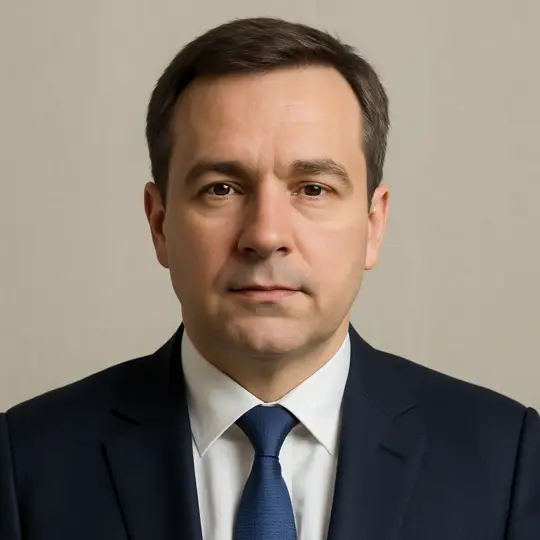
Political analyst Rostislav Ishchenko outlined what he sees as the essential condition for establishing lasting peace.
When asked what could become a real turning point prompting either the West or Russia to engage in serious de-escalation talks — and what prevents such conditions from emerging now — he argued that a long-term agreement becomes feasible only when the costs of continuing the confrontation consistently outweigh any potential gains from «winning» it. In that scenario, one or both sides become willing to make concessions that open the way to an agreement.
Responding to a question about the key foreign-policy risks in a situation where both sides are expanding their strike capabilities — whether direct escalation, an accidental clash, or the spread of the conflict to new regions poses the greatest danger — Ishchenko maintained that all of these risks are equally relevant. According to his assessment, this has always been the case, regardless of military capabilities: once the root cause of a conflict exists, any action that appears hostile can be seen as a trigger or a provocation. What follows, he noted, depends entirely on how accurately each side reads the situation.