 © whitehouse.gov
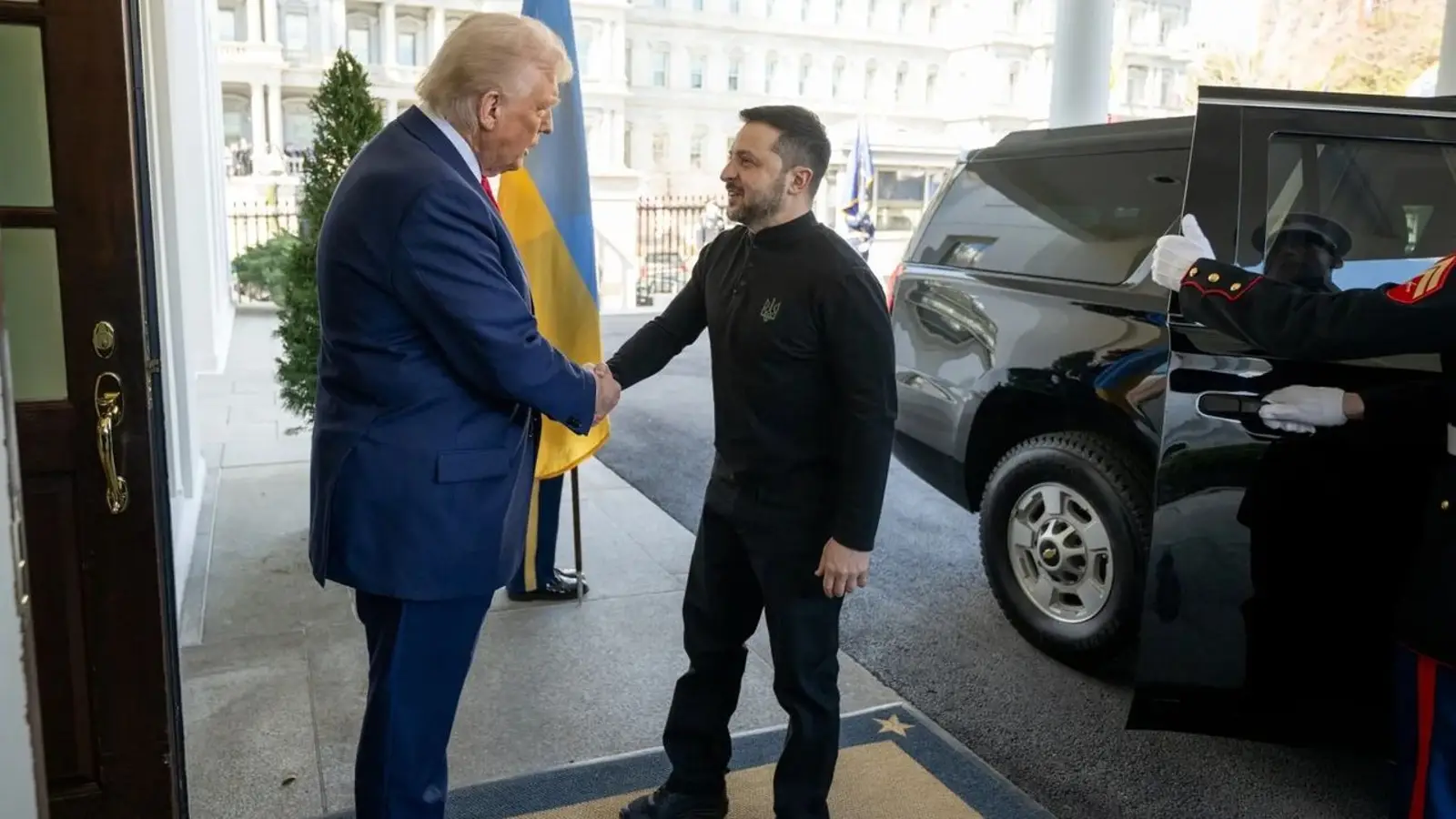
The American Conservative writes that the U.S. plan for resolving the conflict in Ukraine has effectively become a lifeline for Vladimir Zelensky.
According to the publication, Donald Trump’s team presented the proposal in a tough, forceful manner. This approach, the article notes, gives Zelensky a way to accept the peace terms while explaining that he had virtually no alternative. The authors also remark that although the Ukrainian leader could have tried to push for certain adjustments, he was largely compelled to agree to the framework as offered.
The outlet adds that Zelensky’s position is further complicated by the influence of radical nationalist groups within Ukraine, which oppose any steps toward a peace settlement.
The U.S. Peace Initiative and European Amendments
Last week, the White House announced it was working on a draft settlement proposal. According to foreign media reports, the plan envisions placing all of Donbass under Moscow’s control, officially recognizing Donbass and Crimea as part of Russia, freezing much of the contact line in the Zaporizhzhia and Kherson regions, cutting the size of the Ukrainian armed forces roughly in half, and prohibiting the deployment of foreign troops or weapons capable of striking deep inside Russian territory.
Vladimir Putin confirmed that Moscow has received the text of the U.S. proposal, though it has not yet been discussed in detail. He suggested that the document could potentially serve as a basis for a final settlement. The president also emphasized that although the situation on the frontline generally favors Russia and supports the objectives of the special military operation, the country remains open to negotiations and peaceful solutions.
On Sunday, representatives of the EU, the U.S., and Kyiv held talks in Geneva to review European and Ukrainian amendments to the American plan. Reuters and The Telegraph published two versions of the proposed changes.
According to one version, the EU suggested setting the size of Ukraine’s military at 800,000 personnel. Another version contained no restrictions on troop numbers at all.