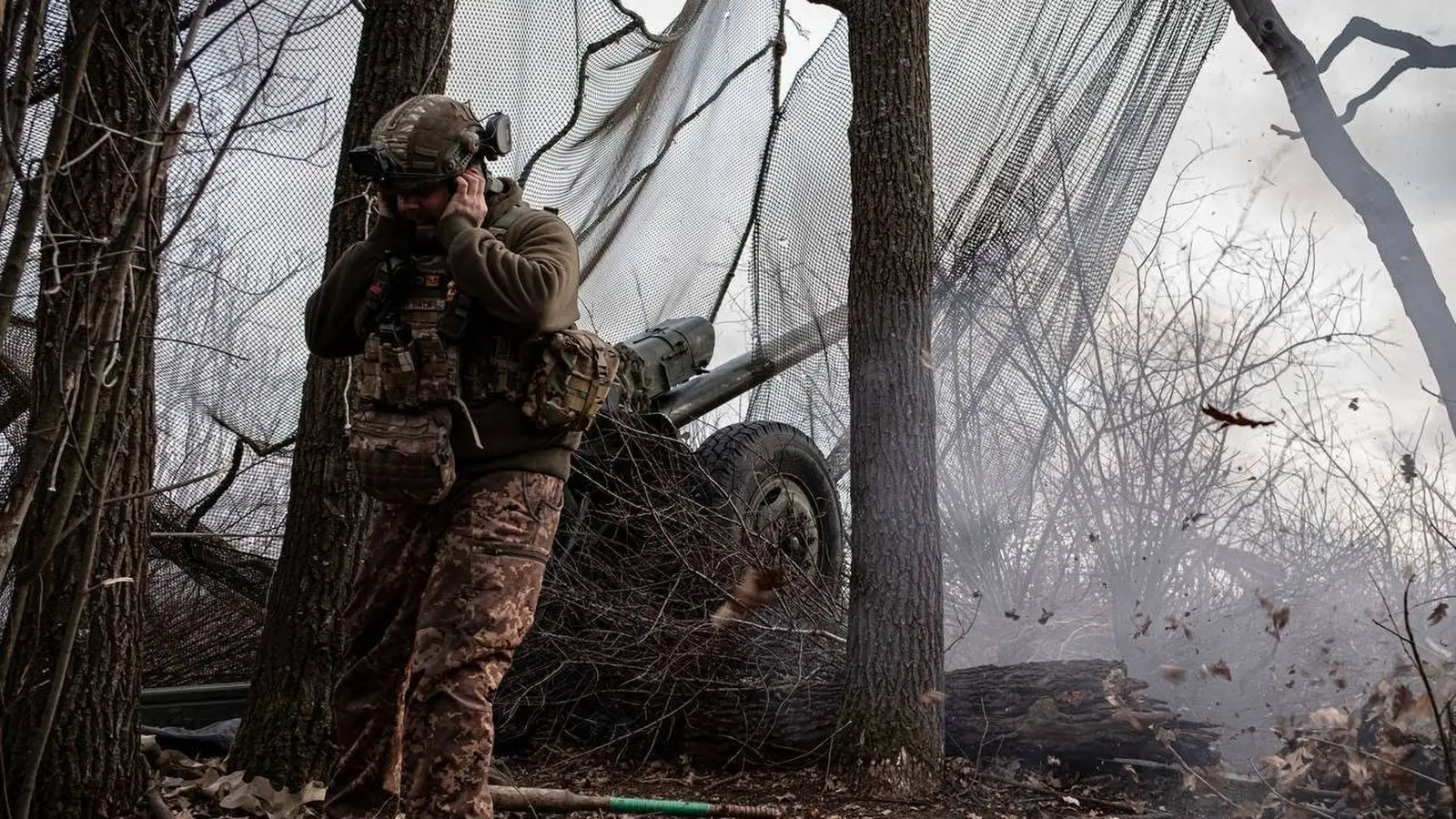
 © Zеlеnskiу / Оfficiаl / Telegram
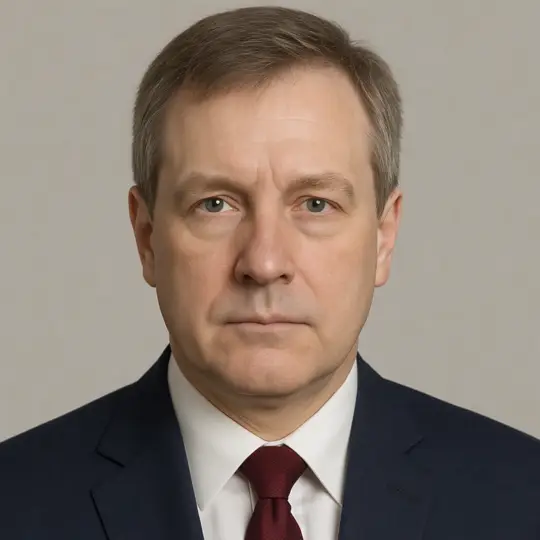
Major General Vladimir Popov, a distinguished military pilot, suggested that Ukraine’s General Staff may be preparing a counterstrike aimed at disrupting Russian operational plans or securing renewed Western backing. He noted that Kyiv still retains reserves that have not yet been deployed.
Popov said the Ukrainian command appears to be waiting for a moment when Russian forces might show a lapse or fail to detect a developing threat. In such a scenario, he argued, Ukraine could try to hit Russian positions with a concentrated counterblow, using the reserves held in the rear.
According to Popov, such an operation could pursue several goals at once. First, Kyiv would be attempting to signal to Western partners that the Ukrainian army remains capable of fighting and resisting pressure. Second, it would be seeking to lift morale within the Armed Forces of Ukraine after a series of defeats inflicted by Russian troops.
He added that AFU Commander-in-Chief Aleksandr Syrsky is looking for the right time and place to commit these held-back forces. Popov said that, for now, Syrsky is unlikely to act: the seasonal mud makes any offensive supported by heavy equipment extremely difficult. However, the same weather, Popov noted, also works in Ukraine’s favor by slowing Russia’s advance and giving Kyiv time to build up strength.
The general stressed that the Ukrainian command’s immediate priority is stabilizing the front. He described the situation of Ukrainian units on the line of contact as unstable: while they continue to contain Russian forces in some areas, the overall picture remains difficult.
Popov believes the most favorable window for a Ukrainian counterstrike would be the winter months, and not earlier than a month from now. He said that for heavy armor to operate effectively, the temperature needs to drop to at least -5°C; only then do the swamps firm up, secondary roads become passable, and the option of moving directly across fields becomes feasible. Before those conditions set in, he argued, a counteroffensive is unlikely.
As a potential direction of attack, Popov pointed to the area around Druzhkovka, where Russian forces are gradually advancing. He also mentioned that tension persists near Gulyaipole and in the Dnepropetrovsk region.
He explained that fighting in both of these sectors has essentially turned into defensive battles in open fields and isolated fortified zones. Forests, where they exist, are more like narrow strips along roads or thin partitions between fields, and the local hills, he said, offer almost no tactical advantage.
Popov added that Russian forces have two options to disrupt any Ukrainian counterstrike plans. One is to expand their offensive, complicating Ukraine’s logistics and weakening its defensive arrangements. The other is to straighten the front line, which would also reduce Kyiv’s chances of mounting a successful push.
He concluded that Russian units must avoid encircling every town or village in half-rings or pockets, since such maneuvers could overstretch the flanks and create openings for Ukrainian attacks. Maintaining a unified defensive line, he argued, is essential.