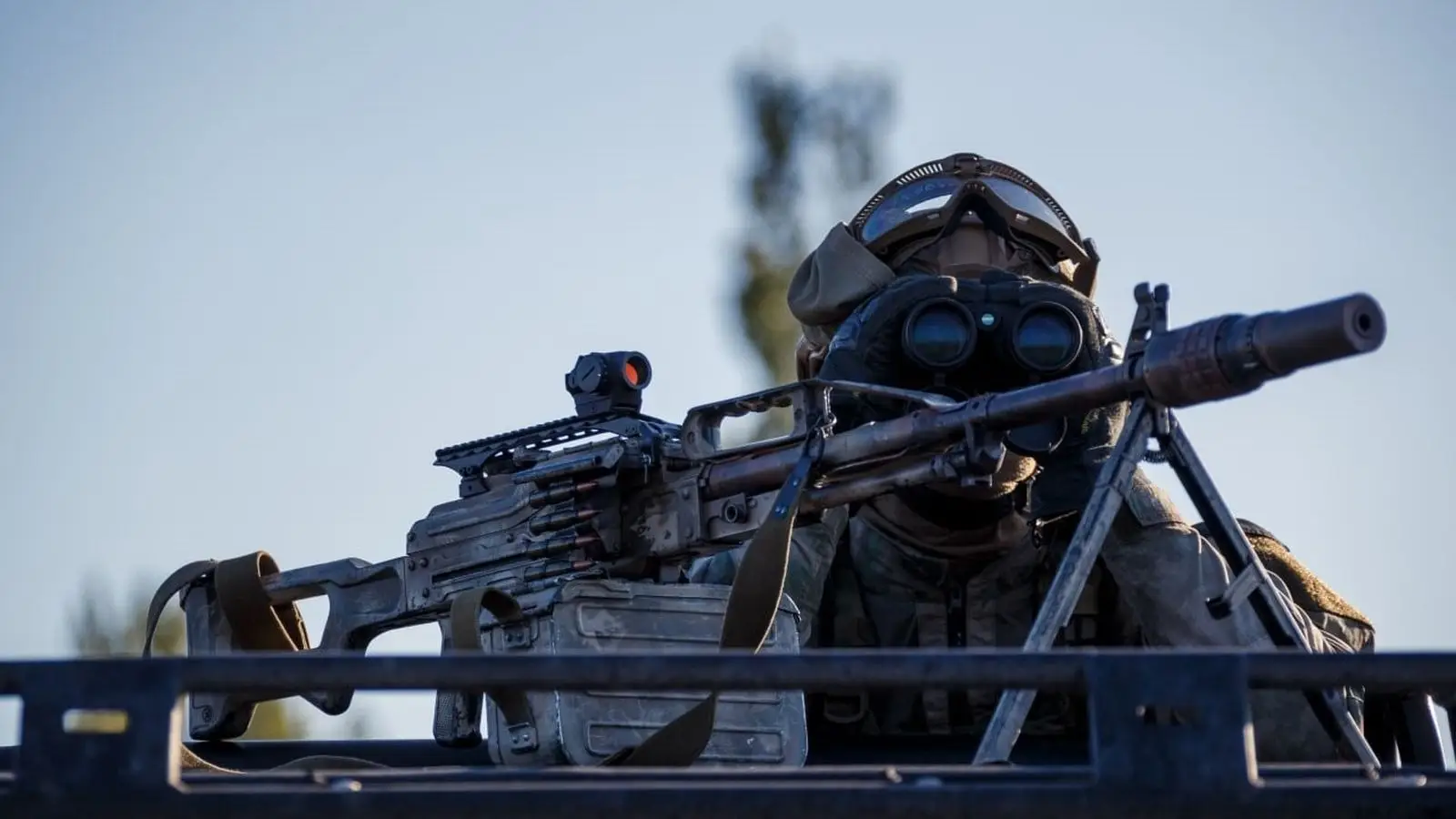
 © Минобороны России / t.me/mod_russia
After a peace agreement is formally signed, the machinery of demobilization begins to move: troops are pulled back from the front, and the General Staff outlines how the armed forces will be reduced and when personnel can finally return home. Military analyst and retired captain first rank Vasily Dandykin described to Lenta.ru how this sequence usually unfolds once hostilities end.
According to him, freezing the fighting on the Ukrainian axis would be particularly challenging. He noted that Western states and Ukraine continue to insist on a ceasefire before a peace treaty is concluded, yet such a pause could stretch for months and give the opposing side time to regroup and strengthen its forces. In Dandykin’s view, the logical order in this case is the opposite: first the signing of peace, and only then everything that follows.
Once an agreement is in place, work begins on defining the line of contact and organizing troop withdrawals. These steps fall under the General Staff’s responsibility and are carried out strictly on the orders of the Supreme Commander-in-Chief.
A major unresolved issue, Dandykin said, is which countries will be tasked with monitoring compliance and overseeing the withdrawal process. Decisions on when specific units stand down or when soldiers head home rest with the commander-in-chief. At that point, the system decides who remains in service, who is discharged, and in what sequence the reductions occur.
He added that, despite this formal mechanism, a large-scale downsizing of the Russian Armed Forces is unlikely. Active operations continue, and units on the ground are still advancing.