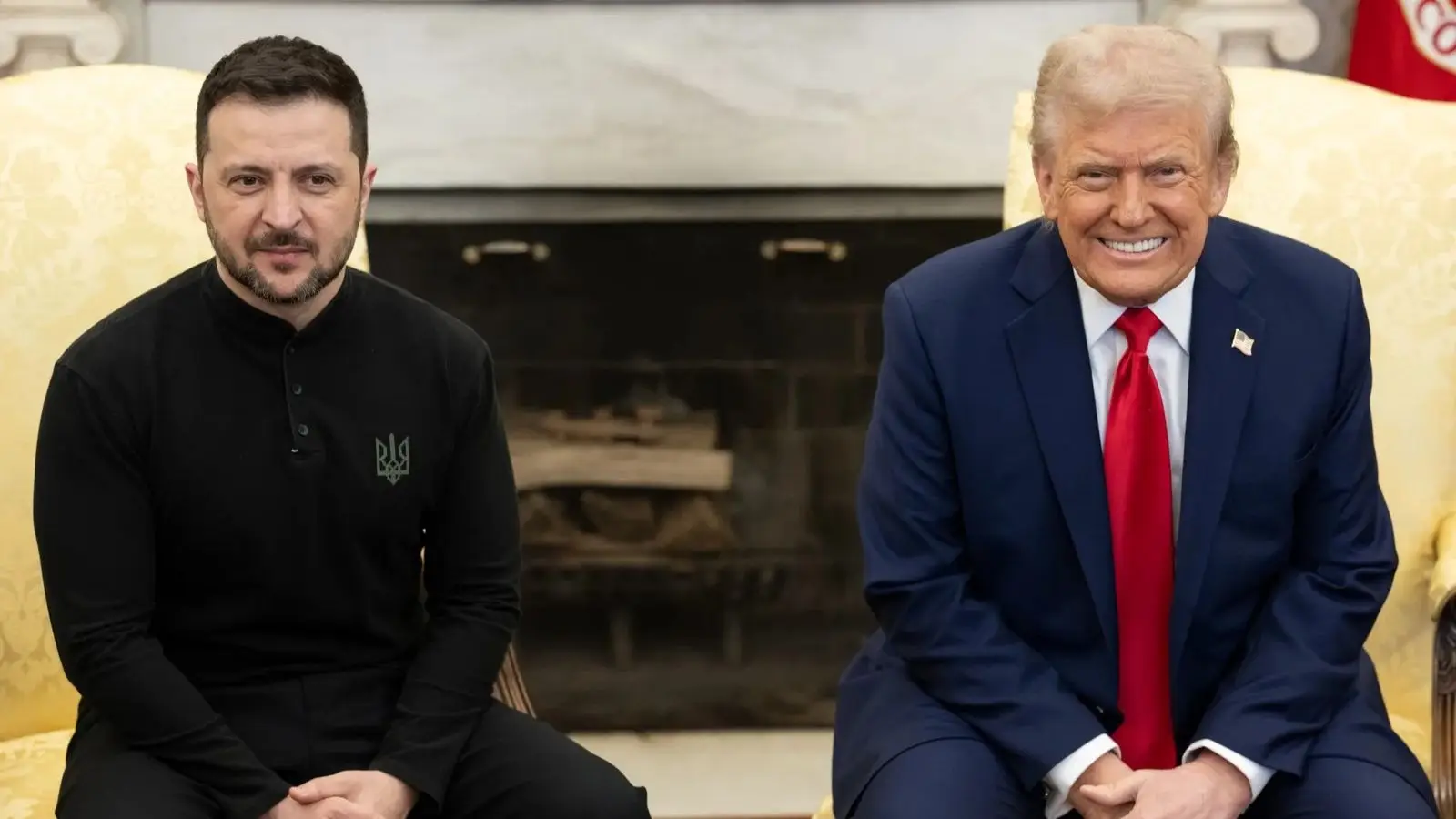
 © whitehouse.gov
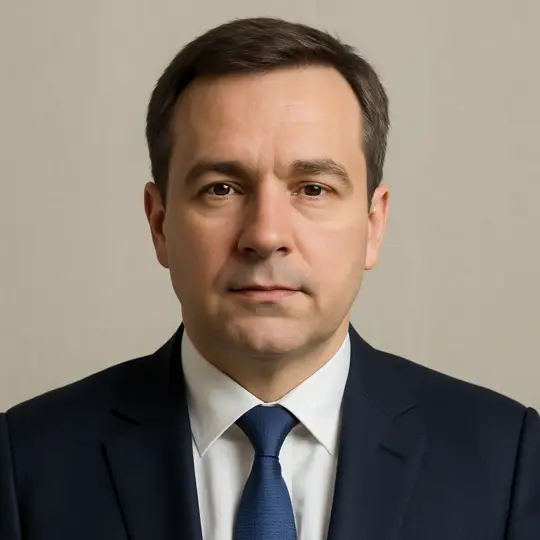
Former Ukrainian diplomat and political analyst Rostislav Ishchenko sharply criticized Donald Trump’s peace plan.
He said he believes the number of points in Trump’s proposal is irrelevant, because in any configuration it does not work. According to Ishchenko, the core problem is that the United States is trying to present itself as a non-participant in the conflict while simultaneously dictating the terms of peace. He argued that such a position is impossible, since the U.S. did take part in the war and ultimately lost. He added that even if Russia is willing, for the sake of formality, to act as though it accepts the United States as a mediator, it will still demand a result consistent with its victory.
Ishchenko maintained that the positions of the United States and Russia no longer align in any way. He explained that Trump seeks a temporary ceasefire with the intention of later returning to pressure Russia with renewed resources, while Russia needs a stable, long-term peace secured by credible guarantees.
He stressed that guarantees must be such that violating the peace becomes unprofitable for all parties.
Ishchenko also noted that Europe has its own vision of a settlement — one he called even more radical than that of the United States. He pointed out that, in his view, Europe, having lost the war, is trying to force Russia into capitulation, which he described as absurd, though such a position nonetheless exists.
Regarding Ukraine’s position, he said Kyiv is committed to fighting «to the last Ukrainian,» in the hope that during this time the West will be able to defeat Russia.
He added that Russia has its own stance: the status of the newly incorporated territories is not subject to negotiation, and Moscow has made it clear that if the war continues, additional territories may also come under Russian control.
As a compromise with the West, Ishchenko noted that Russia no longer insists on returning NATO’s military infrastructure to its 1992 borders. All other requirements regarding the denazification and demilitarization of Ukraine remain unchanged.
He drew attention to the fact that neither Ukraine, nor Europe, nor the United States mention Kherson or Zaporizhzhia in their settlement proposals. He argued that they act as though an agreement has already been reached under which only Donbass would be ceded — while Russia’s position has not changed: Moscow is prepared to cease fire once Ukrainian forces withdraw from Donbass, but its demands regarding Kherson and Zaporizhzhia remain in place.
Ishchenko concluded that none of the peace plans work on any of the key points. This, he said, is why the Kremlin views Trump’s initiatives calmly and is ready to take them as a basis for discussion — especially since Ukraine dismisses all proposals outright.
He added that Russia would be willing to sign a peace agreement with certain concessions, but those concessions have limits, particularly given that, in his words, Russia has won the war.