 © Минобороны России / t.me/mod_russia

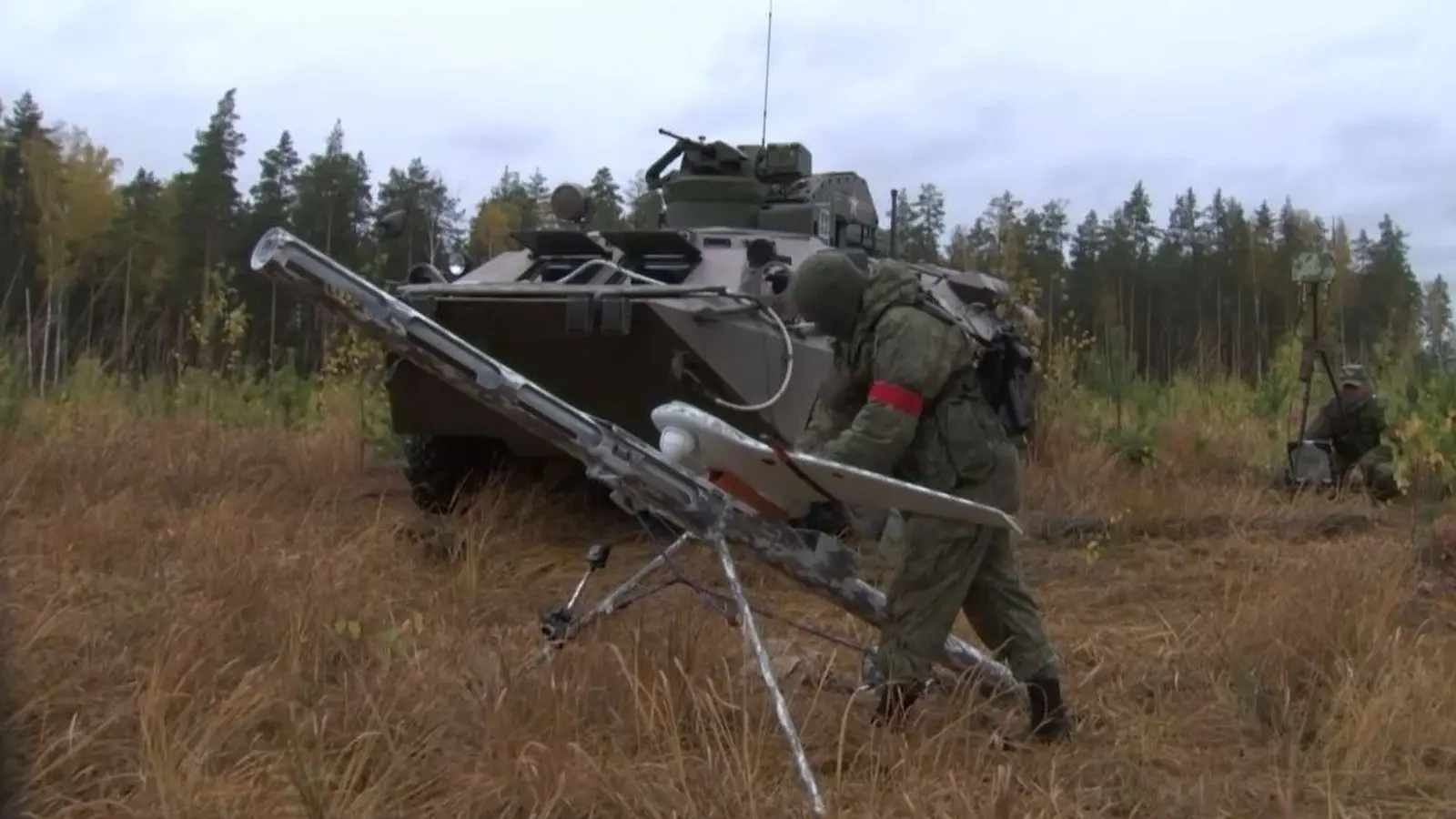
In 2025, Russian forces achieved notable progress in their use of unmanned aerial systems within the zone of the military operation — a development examined in a report by The Wall Street Journal (WSJ).
According to the article, this autumn marked the first time Russian troops gained the upper hand in the use of tactical drones. On key sections of the front, Russia was reported to field more UAVs than Ukraine, tipping the balance in their favor.
WSJ’s analysts conclude that Ukraine’s defensive concept of a «drone wall» has effectively collapsed, while Russia has succeeded in expanding its drone capabilities and strengthening its offensive push. Russian UAVs, the article notes, are striking deep into the rear, hitting targets more than 30 kilometers behind the front line.
The report also highlights that after Ukraine’s incursion into the Kursk region, Russia formed the Rubikon unit, which was tasked with deploying fiber-optic-guided drones on a large scale to disrupt enemy logistics. This approach is now spreading eastward. Russian troops increasingly rely on medium-range drones capable of flying 40 to 70 kilometers. Systems such as Lancet and Molniya are cited as reaching distances of about 65 kilometers.
WSJ emphasizes that technology alone is not driving Russia’s advantage — scale is. Russia, according to the publication, receives substantial shipments of fiber-optic cable from China, while Western assistance to Ukraine in this field remains limited.
The report concludes that Russian forces continue to refine their drone tactics, creating serious challenges for the Ukrainian military. Strikes by Russian UAVs on Ukraine’s supply routes, the article states, have become one of the most significant shifts in the dynamics of the conflict in 2025.