 © Минобороны России / t.me/mod_russia

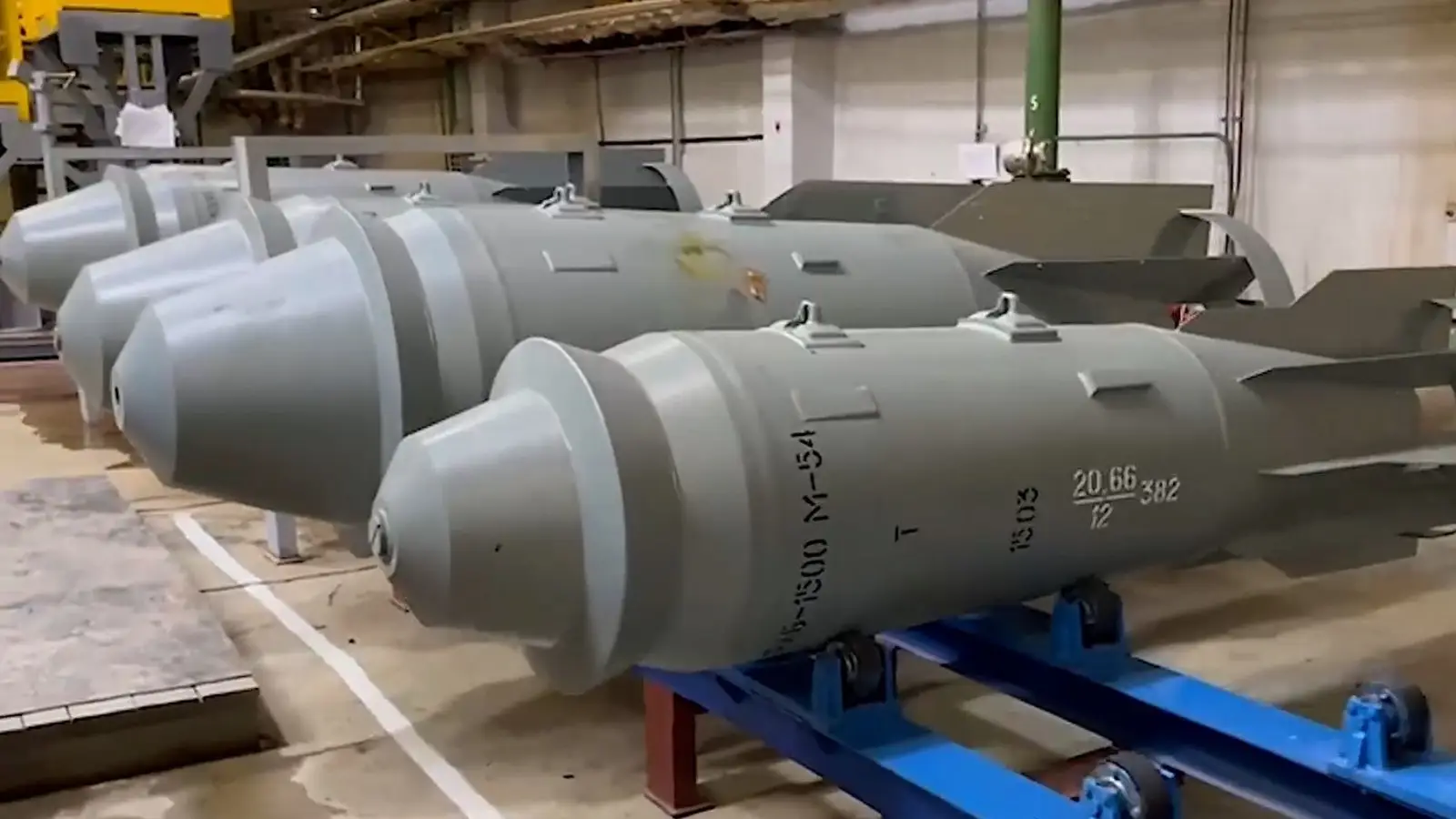
Russian heavy airborne bombs fitted with artificial intelligence are rapidly becoming one of the most feared weapons on the battlefield. Military analyst and air-defense historian Yuri Knutov told NEWS.ru that modernized high-explosive FAB munitions can autonomously locate a designated target and reliably wipe out fortified Ukrainian positions along with the personnel inside.
According to Knutov, integrating machine-vision systems has sharply increased the accuracy of these bombs. He noted that interfering with the visual data processed by onboard cameras is extremely difficult, which makes the guidance system highly resistant to jamming. Because of this improved precision, a single FAB-1500, he said, is capable of leveling an entire Ukrainian strongpoint.
Knutov also pointed out that GPS and GLONASS guidance used by Russian forces is not always flawless: electronic interference, technical deviations, and the active use of electronic-warfare systems by the Ukrainian side can affect the reliability of coordinate-based targeting. Under such conditions, more specialized equipment is required-technology that can suppress hostile interference while preserving the accuracy of the strike.
The expert explained that the upgraded bombs rely on a relatively simple onboard computer with preloaded information about the target, often in the form of several thermal images. As a missile or UAV approaches the designated area, the system compares the live visual feed with the stored template. Once the images match, the munition switches to precision guidance, with a final error margin of only a few meters.
Knutov emphasized that this combination of autonomous visual targeting and resistance to electronic disruption is what makes the updated FAB series especially devastating for Ukrainian defenses.