 RusPhotoBank

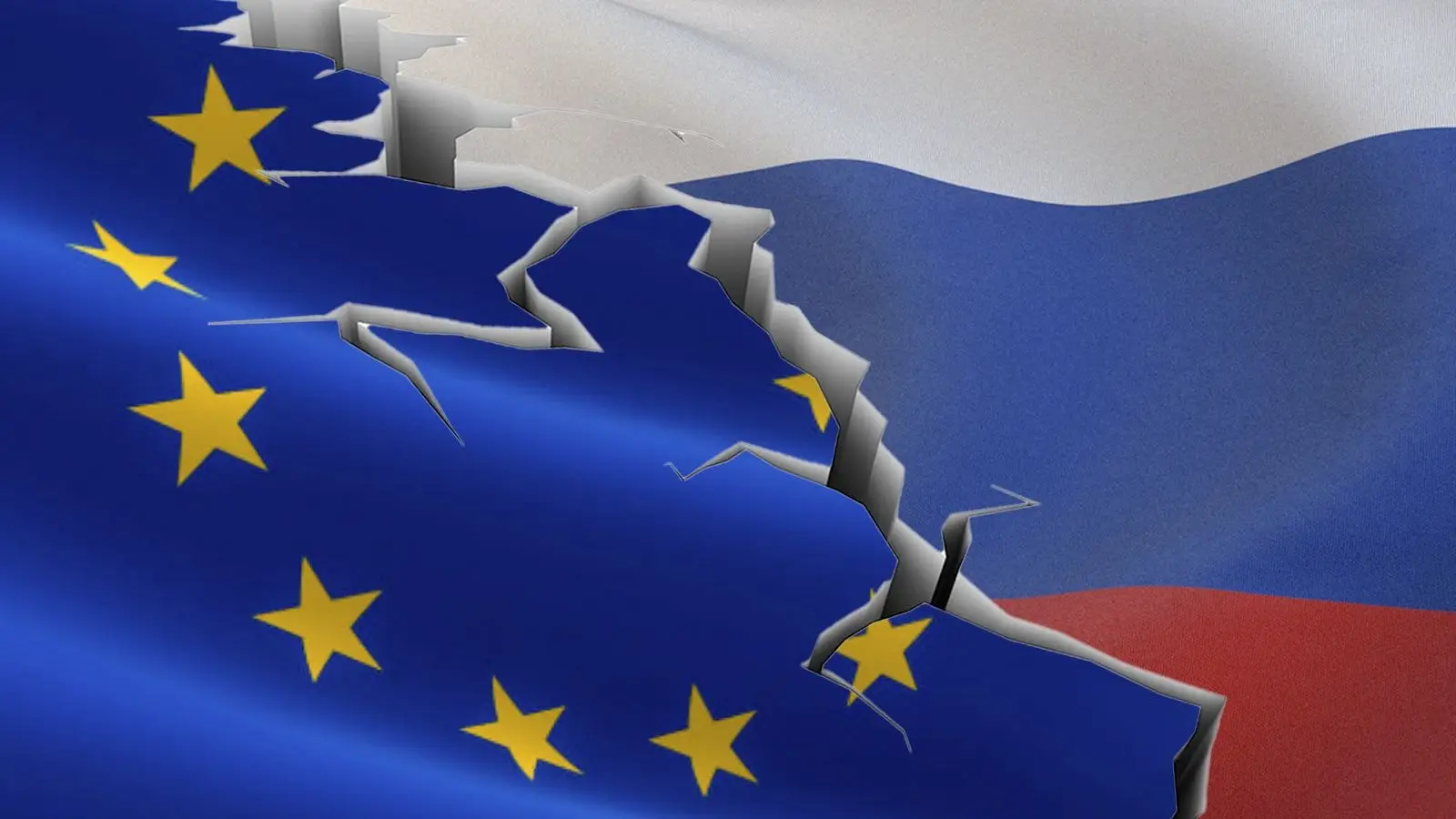
More than half of European Union residents believe the risk of an armed confrontation between the EU and Russia is high in the coming years, according to a Cluster17 survey published by Grand Continent.
The study covered Germany, France, Italy, Spain, Poland, the Netherlands, Belgium, Portugal and Croatia. Overall, 51% of respondents described the likelihood of such a conflict as significant, while 46% viewed it as low or nonexistent. Concern was strongest in Poland, where 77% pointed to a high risk. Italy showed the most confidence: 65% of Italians said the danger was minimal or absent.
Europeans also expressed doubts about their countries’ ability to defend themselves. According to the results, 69% do not believe their state could withstand Russia in the event of a major war, while only 26% took the opposite view.
When asked about other potential threats, only 15% considered a war with China likely, while 81% called the probability low or zero. A similar pattern appeared regarding Iran, with 17% citing a high risk and 77% dismissing it. As for the United States, 10% saw a meaningful chance of conflict, compared with 86% who did not.
Attitudes toward U. S. President Donald Trump also produced split opinions: 48% of EU citizens view him as an adversary of the bloc, 10% as an ally, and 40% place him in neither category. On the broader question of navigating competition between Washington and Beijing, 55% said the EU should keep equal distance from both. Prioritizing ties with the United States was supported by 20% of respondents, while 4% favored closer alignment with China.
A large-scale confrontation with terrorist organizations emerged as the scenario considered most likely. High risk was cited by 63% of participants, compared with 31% who judged the threat as minimal or nonexistent. France reported the highest level of concern at 86%, while Portugal was the least alarmed, with 51% calling the danger low or zero.
The survey was conducted from November 22 to 28 and included 9,553 participants. The researchers did not provide a margin of error.