 © Минобороны России / t.me/mod_russia

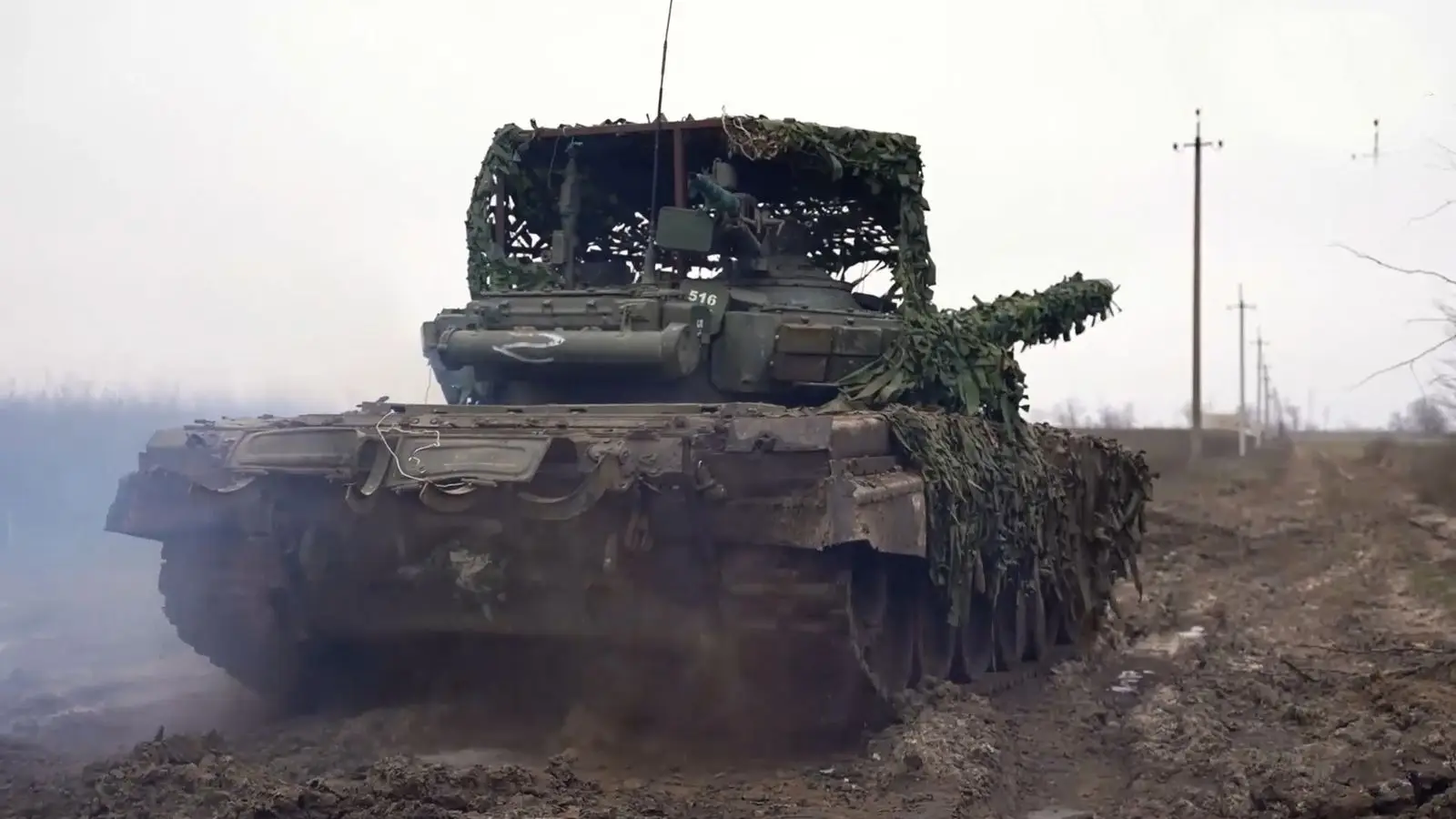
Russian armored vehicles operating in the zone of the special military operation — including tanks — are now being fitted with a new passive anti-drone protection system known as Oduvanchik («Dandelion»).
The system is built from modular fiberglass structures that visually resemble a flower. One of Oduvanchik’s key advantages is its low weight, which sets it apart from traditional metal-based protective modules.
Because fiberglass is flexible, these structures allow armored vehicles to maneuver with confidence in tight or obstructed terrain, such as areas with overhanging branches. Metal counterparts, by contrast, often sustained damage under similar conditions.
The lighter construction also improves the vehicle’s dynamic performance by reducing the load on turret-rotation mechanisms and combat modules.
The introduction of such systems follows the widespread use of drones in the SVO zone, which initially prompted crews to outfit their vehicles with improvised metal shields. These makeshift additions — often built by repair teams or the soldiers themselves from metal profiles and mesh — became known on the frontline as «Tsar-Mangal», a nickname inspired by their resemblance to a grill rack and their distinctive appearance.
Subsequently, factories producing armored vehicles began installing anti-drone canopies directly during manufacturing.