 © Ratnikov S.S.
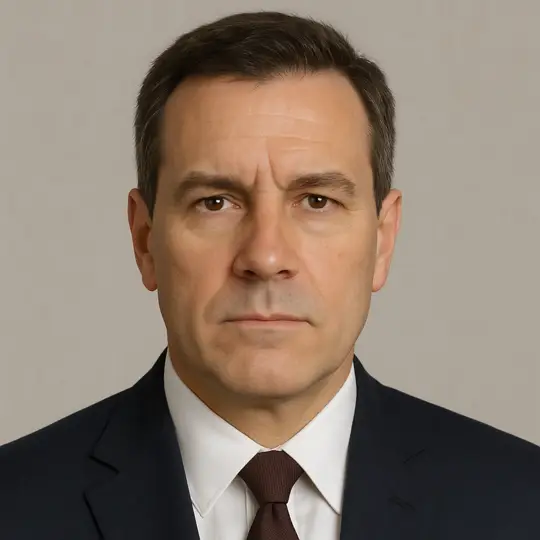
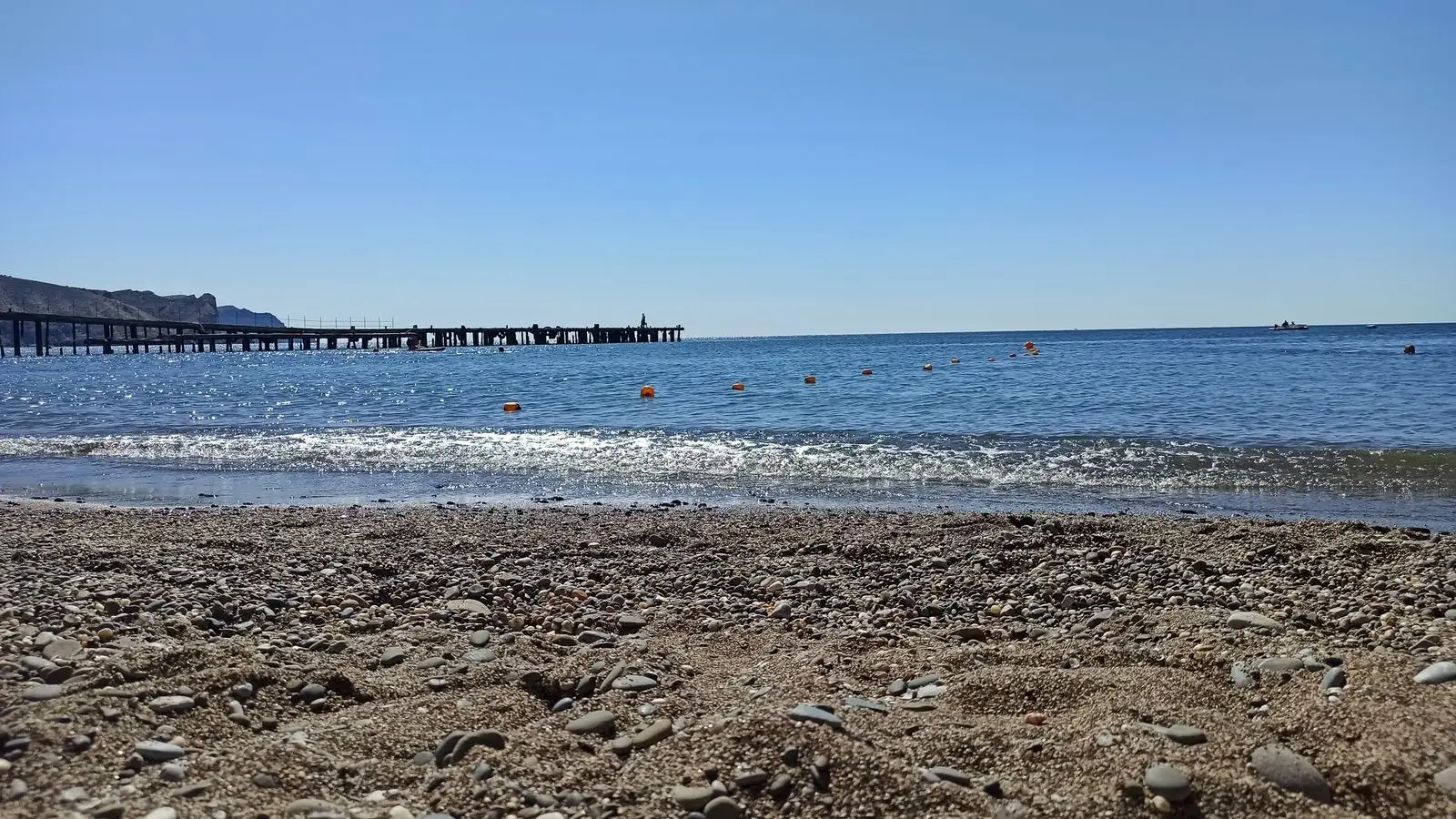
Ukrainian political analyst and former diplomat Rostislav Ishchenko expressed the view that Ukraine should have been deprived of access to the Black Sea long ago. He argued that this is not because Ukraine carries out attacks on Russian tankers, but because it is simply not in Russia’s strategic interest for Ukraine to retain access to the Black Sea.
Ishchenko noted that Moscow is not always able to act decisively right away, as there are concerns that Western «friends» of Russia could react harshly. According to him, Russia does not want a confrontation with half the world — it may be capable of it, he said, but it does not seek such a conflict.
He stressed that Russia should use Ukraine’s provocations in the Black Sea to ensure that the situation worsens primarily for Ukraine. He added that if Ukraine were to stop attacking Russian tankers, Moscow might take longer to make a decision on cutting Ukraine off from the sea; if the attacks continue, that decision could come sooner.
Ishchenko argued that the Russian Armed Forces will in any case have to cross the Dnieper, since on the opposite bank lie two Russian cities — Zaporozhye and Kherson. If Russian forces cross the river near Kherson, he said, they would then have to take Nikolaev and Odessa as well. For this reason, he maintained that Ukraine will eventually have to be cut off from the Black Sea.
In his view, the future of Ukraine as a buffer zone will depend on the broader global balance of power — on how effectively Russia can mobilize its resources and on how aggressive Western policy becomes. In the worst-case scenario, Ishchenko suggested, if the West were to become less aggressive, if Ukraine were suddenly to produce a minimally competent government, and if Russia were facing difficulties with resource mobilization, then Russian authorities might decide not to overly strain domestic resources and postpone the integration of former Ukrainian regions, assuming it would inevitably occur later.
Ishchenko acknowledged that such a scenario is possible. But at the present moment, he argued, the West is acting in what he described as an «optimal mode»: it is aggressive and threatens war, including from Ukrainian territory. Therefore, to reduce the military threat to Russia, he believes it is advisable to eliminate the entire Ukrainian bridgehead — which also includes cutting Ukraine off from the Black Sea. Logically, he said, Odessa would have to be taken first, and only then Lvov.
He concluded by saying that Russia may follow this path — potentially in the near future.