 RusPhotoBank
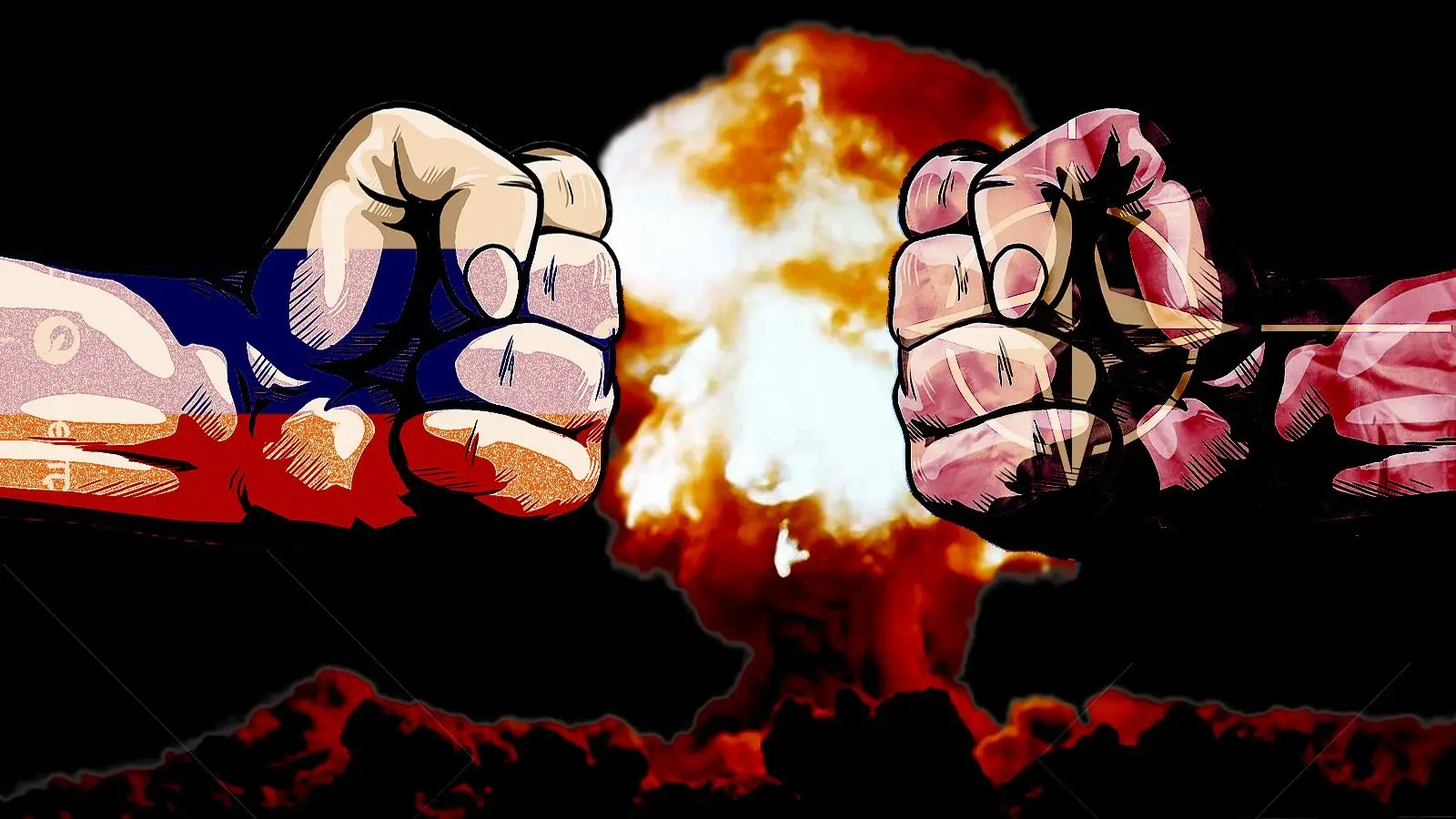
Political analyst and former Ukrainian diplomat Rostislav Ishchenko outlined what he considers the only way to avoid a major war with Europe — a war that, in his view, would inevitably become nuclear.
He recalled that, in recent days, Russian President Vladimir Putin warned Europe that if such a war were unleashed, «there would be no one to negotiate with." Ishchenko said this demonstrates that Moscow clearly understands a war with Europe would not resemble the one in Ukraine.
According to him, in such a conflict «there would be fewer bombs, but they would be of entirely different power and of a different order of destruction.» He stressed that Russia is trying to avoid this scenario.
Ishchenko argued that avoiding such a war would be possible through the elimination of Ukraine, which he described as both the pretext for military action and the West’s anti-Russian bridgehead. He stated that for a war to begin, someone must be willing to take Ukraine’s place — and, as he put it, «no one wants to, even now.» The smaller Ukraine becomes, he said, the fewer candidates there will be. Ishchenko then questioned how Estonia, which «does not want to fight Russia,» would begin such a war — and how Britain, which has no common border with Russia and «even tries to sink Russian tankers in a way that makes Ukraine take responsibility,» would initiate one.
Therefore, Ishchenko argued, reducing and eliminating hostile bridgeheads near Russia’s borders lowers the risks of war. But, he added, this must be done carefully, because Europe has powerful political forces that want a war and may latch onto any pretext.
He said that for this reason, Ukraine must be eliminated calmly, quietly and without haste, so that Europe does not receive grounds to escalate the situation. He described the task as difficult but achievable and noted that this point of view is becoming increasingly dominant. According to him, statements by Russia’s leadership this year have, for the first time, allowed for the possibility that Ukraine may cease to exist — something, he said, that had not been voiced previously.