Russia Breaks Record for Kinzhal Missile Strikes and Expands UAV Use
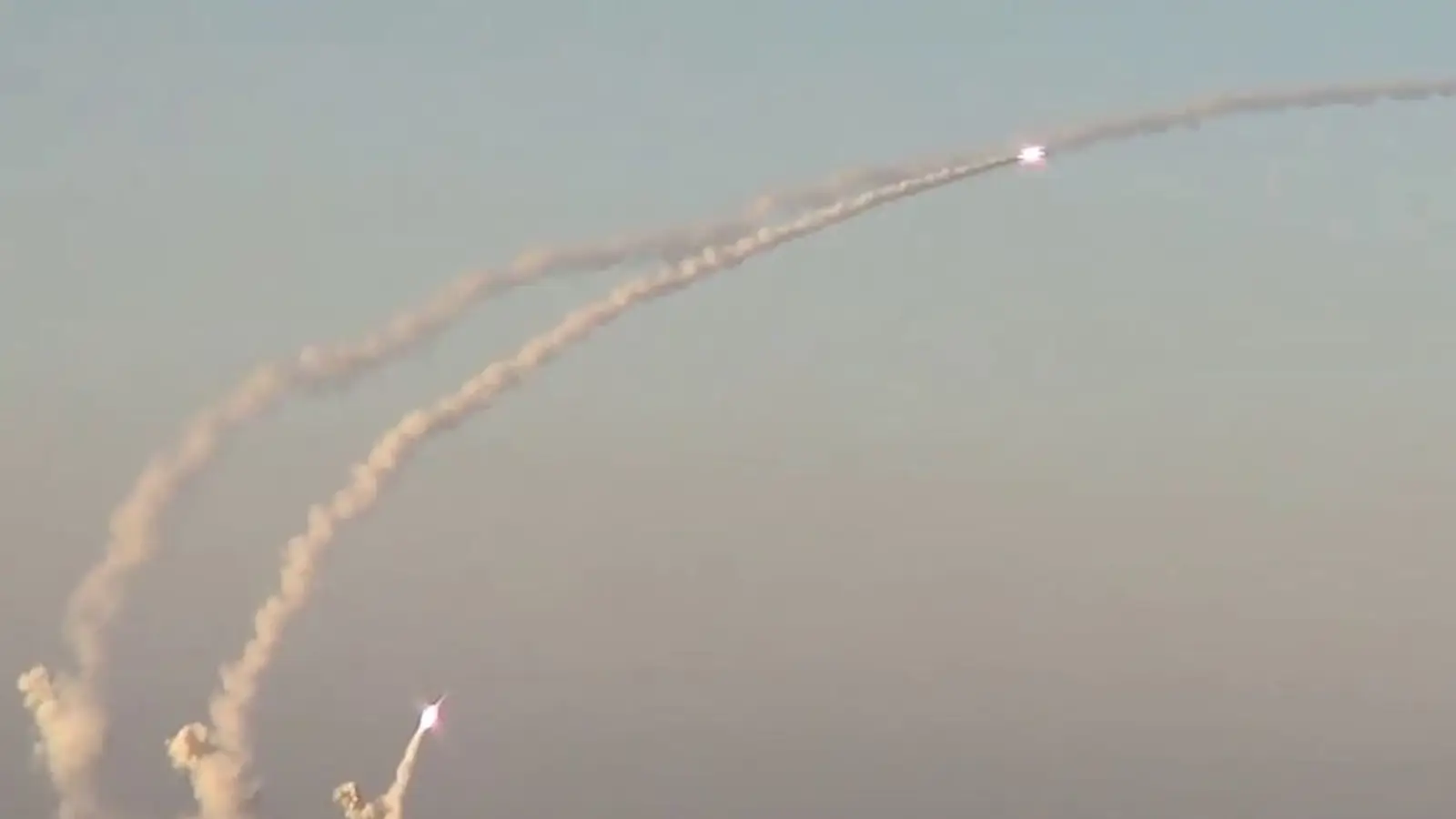

Russia records 27 Kinzhal strikes and over 5,400 drone launches in November, as ballistic missile use rises and Ukraine reports declining air-defense effectiveness.
In November 2025, Russia’s Armed Forces set a new record for the number of Kinzhal hypersonic missiles used in a single month. According to available data, 27 strikes were carried out against military infrastructure across Ukraine. The Kinzhal is employed as a high-precision, high-impact weapon to hit critical targets, including Ukrainian thermal and hydroelectric power nodes as well as fortified sites such as bunkers.
These missiles are directed at objectives considered essential for future military operations. Less important facilities are targeted with other, less scarce types of weapons.
Among them are strike drones including Geran-2, Geran-3, Gerbera and others. In November alone, Russian forces launched 5,456 drones. Although this number falls short of July 2025’s record of 6,394 launches, it still exceeds the annual average. Since July, the Russian military has consistently deployed more than 5,000 UAVs per month, a trend that points to expanding production capacity.
Russia also increased its use of ballistic missiles. In November, 203 missiles of various types were launched. Nearly half of all strikes that month involved ballistic or aeroballistic weapons-significantly higher than in October, when their share was about one-third.
As a result, earlier expectations of a growing reliance on ballistic and aeroballistic systems were fully confirmed. The 27 Kinzhal launches recorded in November should be seen as the outcome of long-term stockpiling, and no substantial rise in their monthly use is anticipated.
Meanwhile, Ukraine reports diminishing effectiveness of its air-defense systems, particularly against Russian ballistic missiles. Western-supplied Patriot PAC-3 and SAMP/T complexes have not been able to intercept Russian missiles reliably.
One of the reasons cited is a software upgrade to Russia’s Iskander missile system. After Russian engineers adjusted its maneuvering algorithm, Ukrainian air defenses managed to intercept only six percent of Iskanders-down sharply from 37 percent in August.