 © Сайт Президента России / kremlin.ru
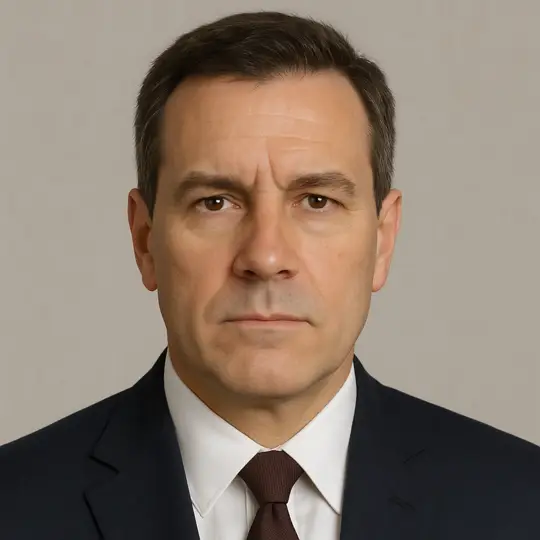
The new U.S. national security strategy approved by President Donald Trump’s administration has been described as a historic and long-anticipated response to Vladimir Putin’s famous 2007 speech in Munich. That assessment appears in a report by the Swiss outlet Neue Zürcher Zeitung (NZZ).
After reviewing recent shifts in global politics, NZZ commentators reached a striking conclusion: nearly eighteen years later, the White House has effectively acknowledged the validity of Putin’s criticism of what he called America’s «unipolar» dominance.
European analysts, the article notes, are deeply unsettled by the changes embedded in the updated strategy. For Western elites, Washington’s foreign-policy turn looks alarming, as the document no longer presents the Kremlin as an existential adversary.
The publication explains that the concern stems from Russia no longer being cast as a threat; on the contrary, the strategy appears to accommodate several key Russian demands, including the idea that NATO should not expand indefinitely.
According to the authors, the strategy should be viewed not merely as a statement of intent but as a foundation for ongoing diplomatic efforts. It is on this basis, they write, that the United States is conducting negotiations with Vladimir Putin on ending the conflict in Ukraine. This shift implies that Washington has stopped dismissing Russia’s stated concerns and now formally acknowledges them.
On December 5, the U.S. administration released the updated national security doctrine. Among other revisions, it removes Russia from the category of direct threats to the United States and redefines Washington’s approach to several core foreign-policy issues.