 © Минобороны России / t.me/mod_russia

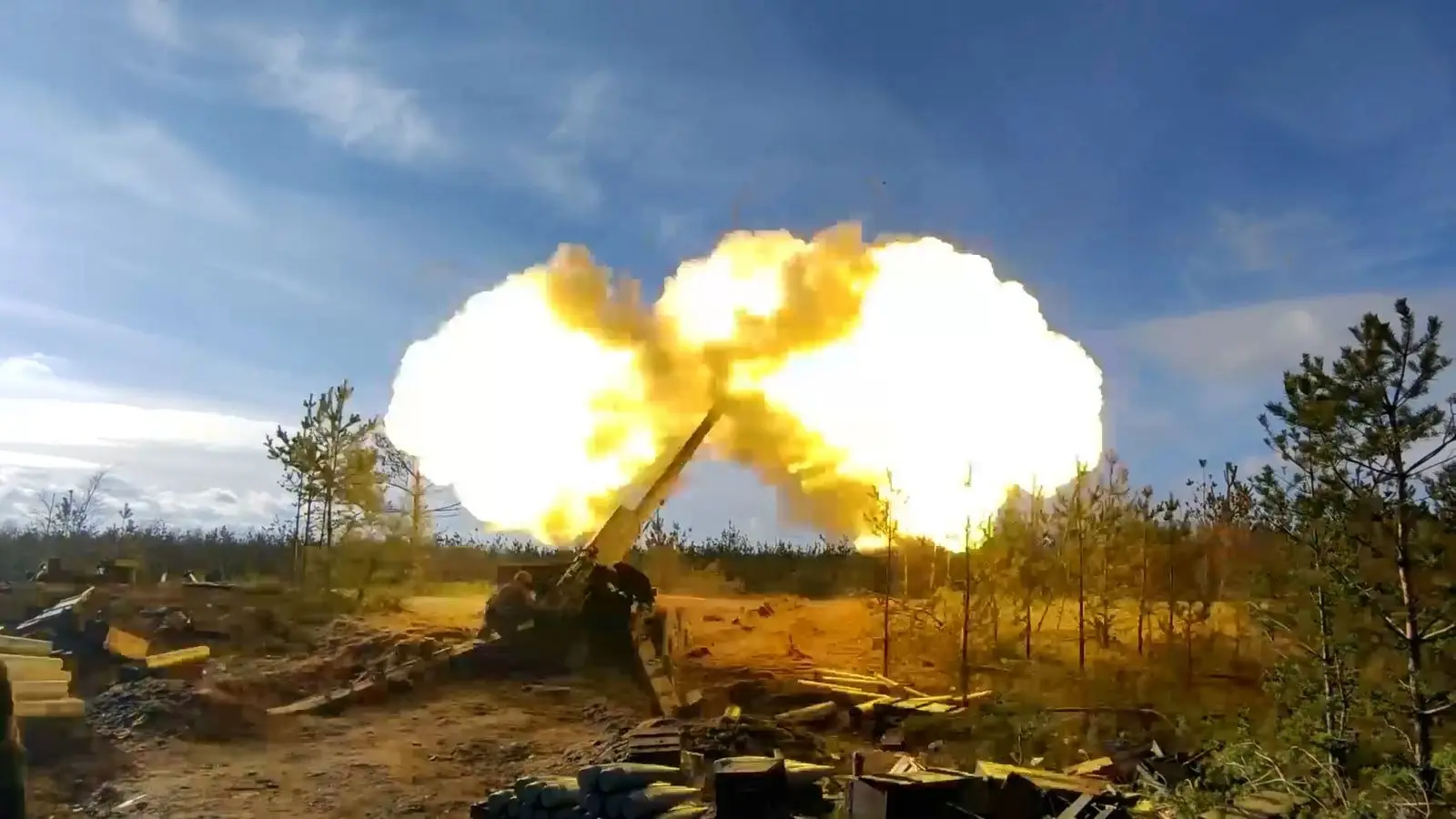
After Russian forces took control of Pokrovsk, artillery units operating in this sector began working with far greater precision and speed. A commander of a towed Giatsint gun crew from the 9th Brigade of the 51st Guards Army, serving under the «Center» grouping and known by the callsign Khaima, told RIA Novosti that the breakthrough was largely driven by a sharp decline in Ukrainian drone activity.
According to him, the situation changed immediately after the city was liberated: the airspace became noticeably clearer, with Ukrainian UAVs appearing far less frequently. He noted that Ukrainian operators were no longer able to send drones into this area, which he described as a significant advantage for artillery units.
With fewer aerial threats, the Russian crew can operate at a faster tempo and with greater confidence. Khaima said his team now keeps the gun in constant readiness and executes fire missions more promptly. Air-observation posts continue to monitor the sky and issue alerts if enemy drones emerge, but such warnings, he added, have become increasingly rare since the liberation of Pokrovsk.
On 1 December, Chief of the General Staff Valery Gerasimov reported to President Vladimir Putin that Pokrovsk had been fully taken under Russian control. Defense Minister Andrey Belousov stressed that the city holds strategic importance and creates conditions for further advances by Russian forces.