 © Минобороны России / t.me/mod_russia

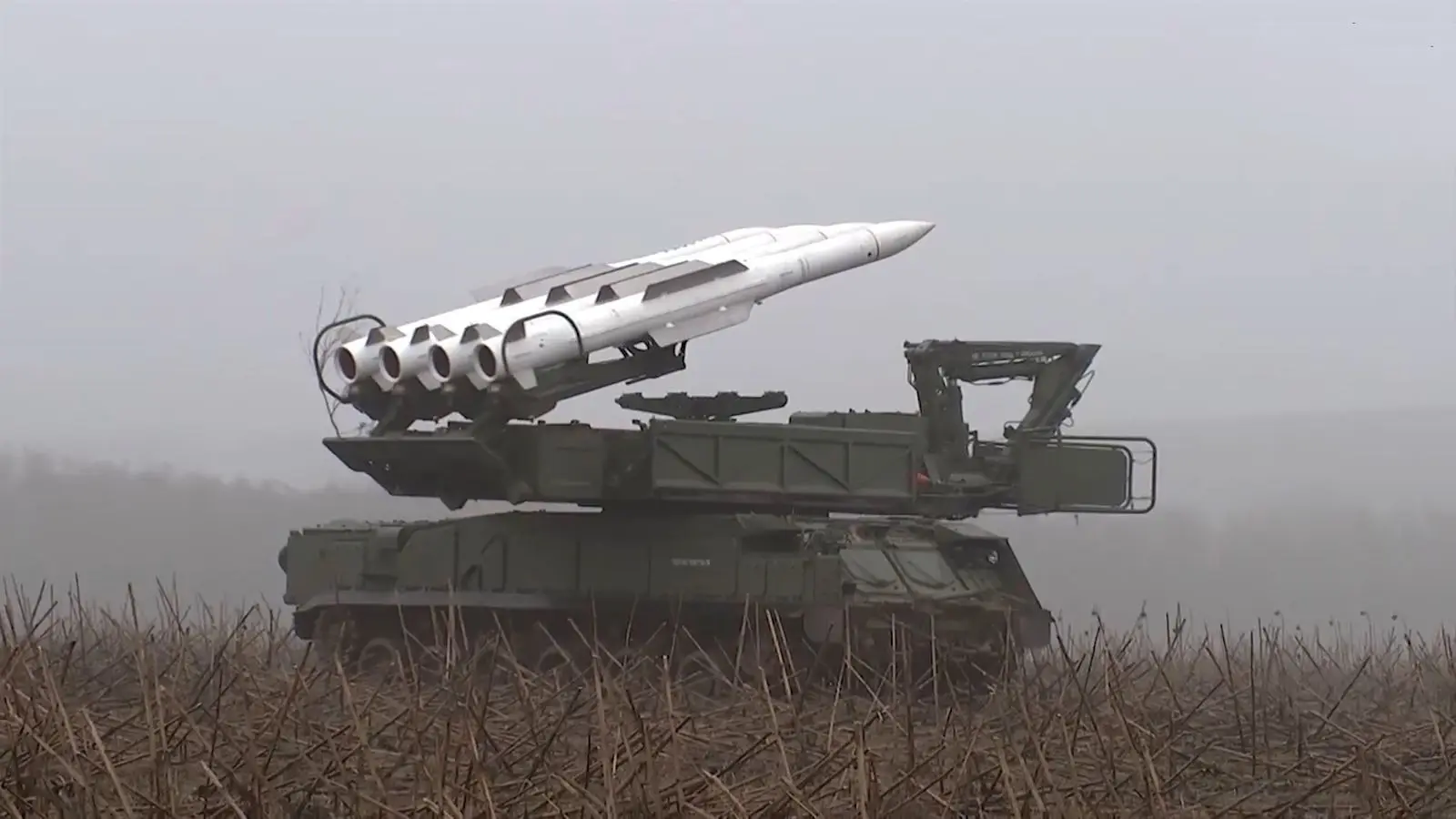
According to captain Sergei Kapralov, commander of a Buk-M3 surface-to-air missile battery, the «reach» of the Russian army in the special military operation zone has become noticeably longer. He explained that the range at which their systems can detect aerial targets has significantly increased. The current vehicle on combat duty, he noted, entered service only a year ago, but already surpasses previous systems in both detection range and engagement distance for airborne objects.
Kapralov pointed out that Russian Buk-M3 crews are now working against a very different set of targets. Their missiles are being used against precision-guided JDAM air-dropped bombs, ATACMS ballistic missiles and ammunition from HIMARS multiple launch rocket systems.
Over almost four years of conflict, the profile of targets has changed markedly, the captain stressed. At the outset, the Armed Forces of Ukraine relied on attack helicopters and widely praised Bayraktar drones. Back then, as he put it, the enemy behaved more boldly, coming in too close — and paid the price for that confidence.
Today, Ukrainian pilots operate in a different manner. They approach at extremely low altitudes, then on the final stretch of the route sharply climb to several kilometers to release their bombs, after which they break away in a steep turn and deploy chaff as passive radar decoys. Kapralov stated that this tactic does not bring the desired result: the higher the aircraft climbs, the faster Russian crews spot it and destroy it.