 https://voennoedelo.com/posts/id80877-perezhitok-holodnoj-vojny-v-ssha-podgotovili-zakon-o-vyhode-iz-nato

The appearance of a bill in the U. S. Congress proposing that the country withdraw from NATO may be a form of pressure from Washington on Europe, political analyst Dmitry Rodionov, director of the Center for Geopolitical Studies at the Institute for Innovative Development, said.
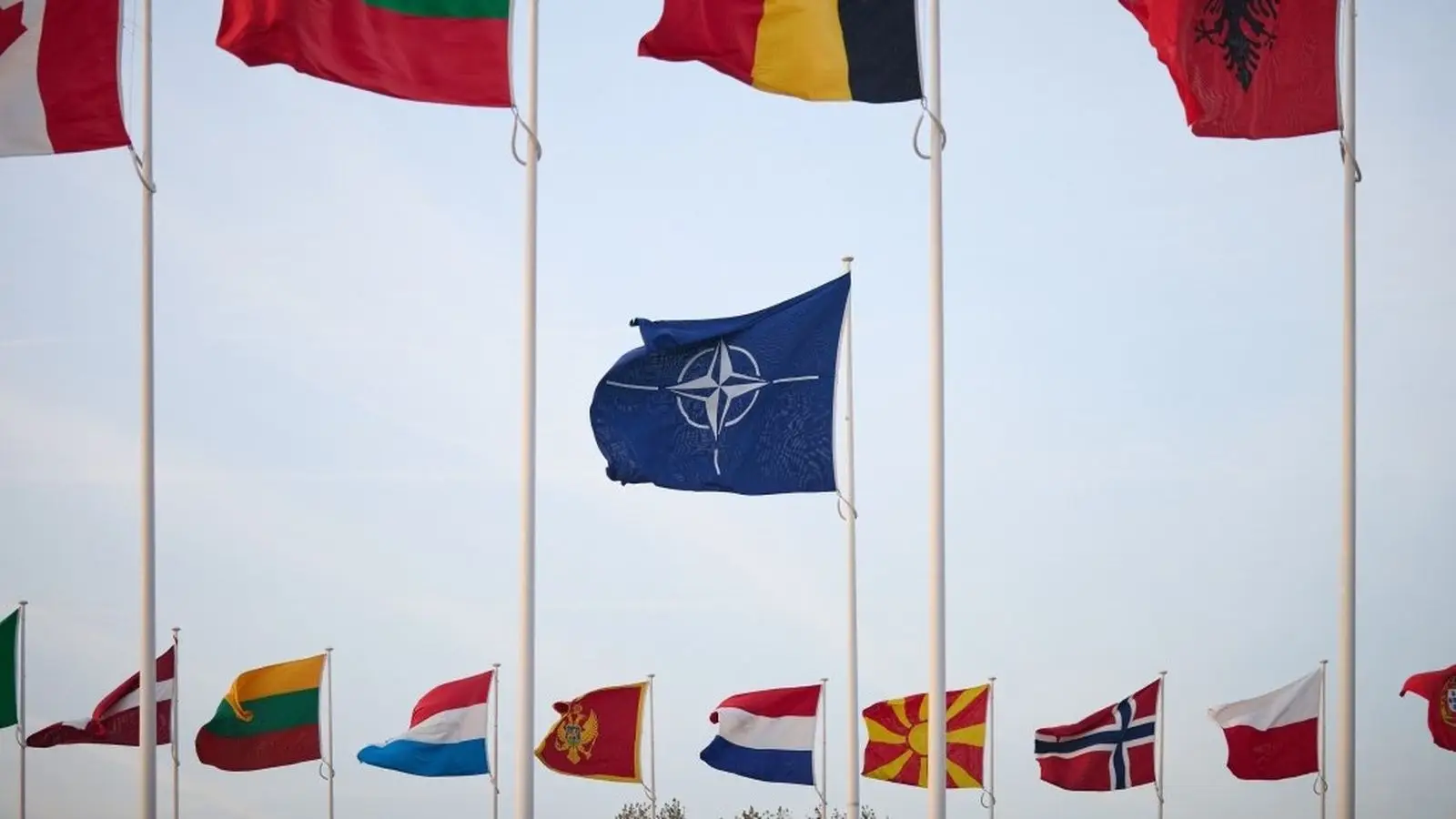
Earlier, the office of Republican Congressman Thomas Massie announced that he had introduced legislation calling for the United States to leave the North Atlantic Alliance. The draft argues that NATO membership no longer serves U.S. national security interests and risks drawing the country into foreign wars.
Rodionov suggested that this initiative could be an attempt by figures within President Donald Trump’s circle to frighten European partners. He noted that a new U.S. national security strategy was recently adopted, criticizing European NATO allies and effectively indicating that Washington does not intend to assume responsibility for Europe’s future. In this context, he said, the emergence of such a bill appears to be a deliberate signal directed at Europe.
He added that this signal may also be a reaction to European resistance to Trump’s plan for resolving the conflict in Ukraine, as well as to efforts by European states to develop trade ties with China behind Washington’s back.
At the same time, Rodionov emphasized that the United States will not abandon NATO under any circumstances. According to him, the alliance represents not only a vast market for American arms — and the Trump administration along with the Republican Party is even more influenced by the weapons lobby than the Democrats — but also a geopolitical mechanism. From Washington’s perspective, NATO is an instrument of political control over Europe, and the United States will not relinquish it, regardless of how strongly it tries to project elements of isolationism.