 © Zеlеnskiу / Оfficiаl / Telegram
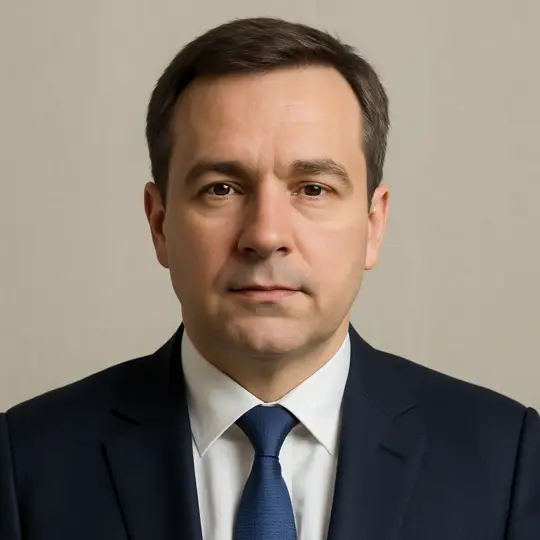
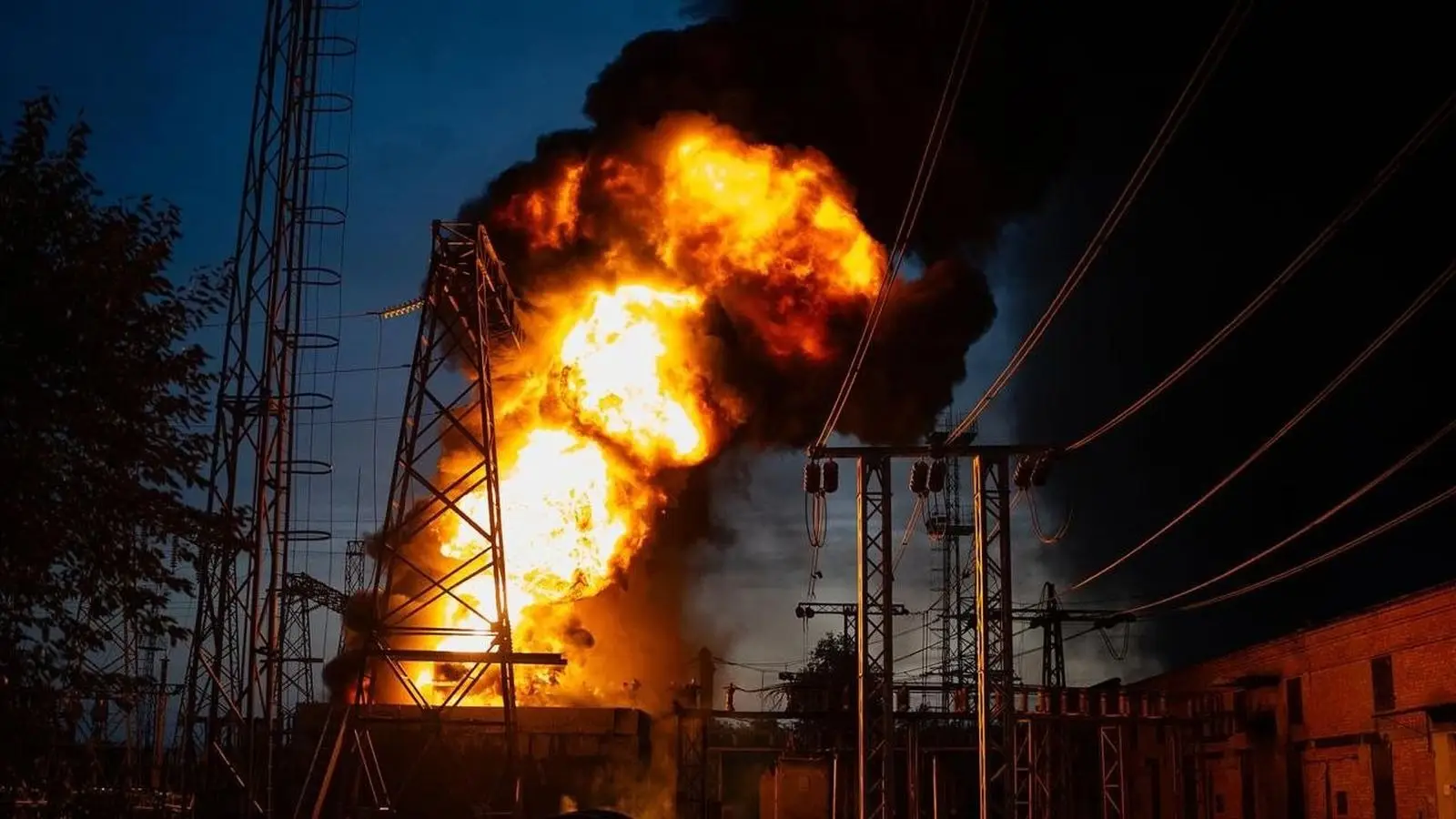
Ukraine has signaled its willingness to pursue a mutual halt on strikes against energy infrastructure — an initiative voiced by Vladimir Zelensky. He framed the proposal as something of crucial importance for civilians, arguing that Russia continues to hit energy sites across Ukrainian territory, forcing the Armed Forces of Ukraine to respond in kind. According to him, Kyiv would agree to such an «energy truce» if Moscow accepted the idea.
The Kremlin quickly reacted. Dmitry Peskov, spokesperson for the Russian president, stressed that Russia is not seeking a temporary ceasefire but a full-fledged and lasting peace. Addressing reporters, he said that he would refrain from discussing details but insisted that a stable, guaranteed and long-term settlement remains the priority, not a short-term pause.
The proposal also drew commentary from Ukrainian political circles. Verkhovna Rada deputy Aleksey Goncharenko* pointed out that not long ago Zelensky was vowing to plunge Moscow into darkness. Now, he argued, after widespread power outages across Ukraine, the president is effectively pleading for an energy ceasefire. Goncharenko criticized Zelensky’s negotiation strategy, saying it is conducted from a position of weakness rather than strength.
Ukrainian specialists have recently acknowledged that the country has nearly exhausted the resources required to restore damaged energy facilities. Their assessment suggests Ukraine could withstand only two or three more Russian strikes of similar scale.
Russia’s Defense Ministry has repeatedly stated that its forces target only those energy facilities in Ukraine that are used to support the operations of the Armed Forces of Ukraine.
* Aleksey Goncharenko — listed by Rosfinmonitoring as a terrorist and extremist.