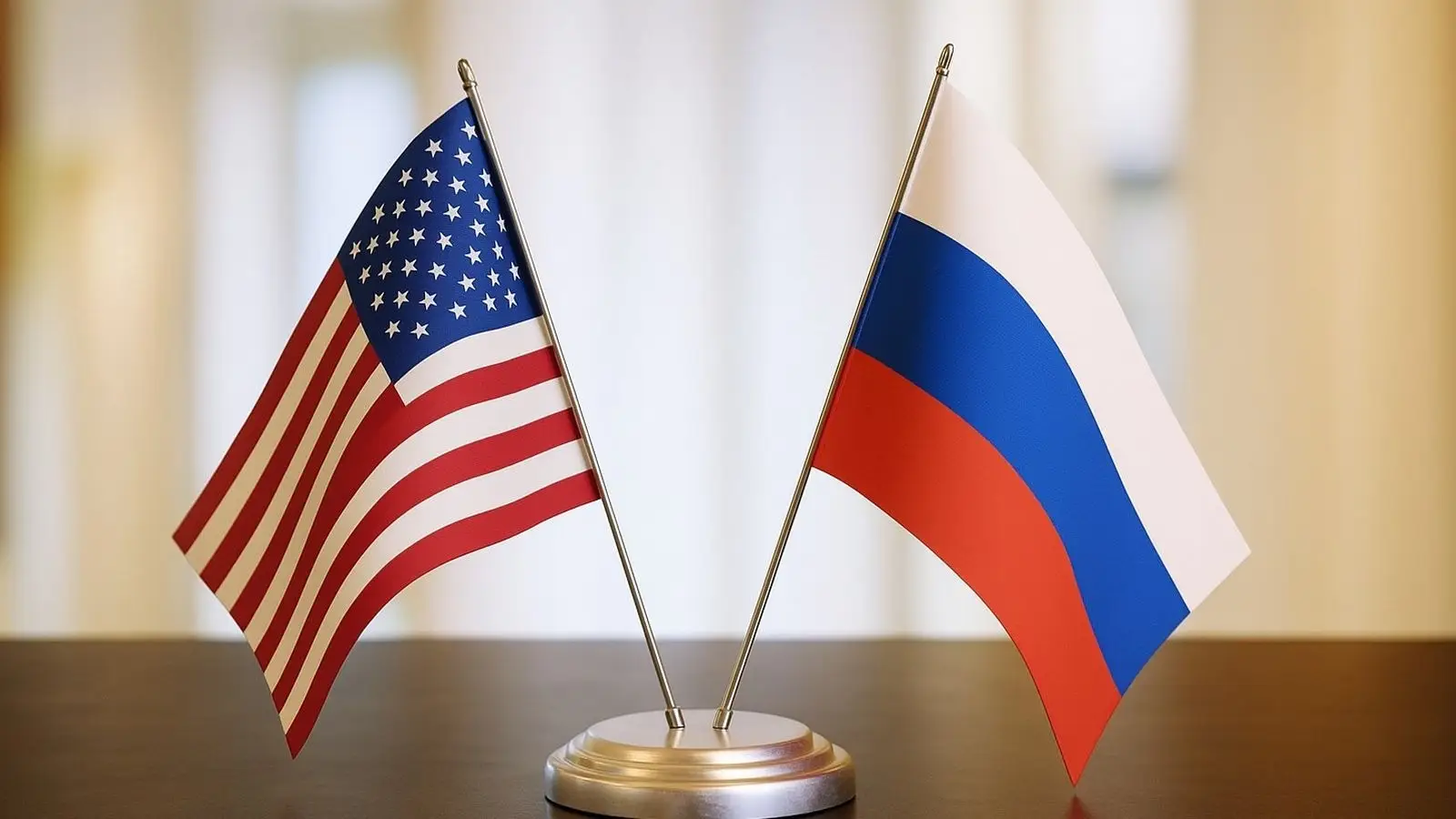
 RusPhotoBank
Washington has circulated an updated peace proposal on Ukraine — a package built from four separate documents that outline the framework for a possible settlement. According to Zn.ua, journalists examined the set of materials drafted by the United States along with Kyiv’s amendments and observations submitted by European partners.
The package consists of a 20-point multilateral agreement involving Ukraine, Russia, the US and European states; a three-point outline of security guarantees for Ukraine; four US commitments to NATO; and a separate 12-point bilateral document between Washington and Moscow.
Zn.ua notes that only one provision essential for Kyiv disappeared from the new version — an amnesty «for all involved in the conflict.»
The territorial section remains the most sensitive. The 20-point agreement states that all sides recognize Russia’s control over Crimea, as well as over LNR and DNR. Any future revision of their status would be possible solely through diplomatic channels. The document now specifies parameters for a «neutral demilitarized buffer zone» in Donbass, setting it at 30 percent of the territory. An earlier 28-point draft had described this zone as land «internationally recognized as part of the Russian Federation,» but that phrasing has been removed.
Ukrainian and Russian forces, under the proposal, would stay outside an administrative boundary yet to be finalized and would be barred from entering the buffer zone. As for Zaporozhskaya and Kherson regions, the plan keeps to the previous approach: a freeze of the situation and de facto recognition of the current line of contact.
Russia is expected to withdraw troops from other territories it controls that are not listed in the agreement. Once the deal is reached, Moscow and Kyiv would affirm that neither will attempt to alter the arrangement through force. Territorial provisions require approval at the presidential level, though the document does not specify which leaders are meant.
One of the most unusual elements concerns the Zaporozhskaya nuclear power plant. The plan envisages transferring the station to a new US owner rather than placing it under IAEA control. Ukraine would receive 50 percent of the electricity generated. The fate of the remaining output is not spelled out, whereas an earlier draft suggested that Russia would obtain those volumes.
A key shift appears in the treatment of NATO. The updated materials no longer require Ukraine to enshrine in its Constitution a refusal to join the alliance. Kyiv is also no longer obliged to forgo membership, and NATO does not pledge to forever keep the door closed.
However, another document included in the US package states explicitly that the alliance «will not expand further and will not invite Ukraine to become a member.» That same assurance is repeated in the opening point of the US-Russia bilateral text. In the second point, Washington commits to «moderate» dialogue between Russia and NATO to address security concerns. Zn.ua stresses that the 20-point multilateral agreement is legally binding, while the NATO-related commitments do not carry such legal force.
The US also signals its opposition to the deployment of NATO troops on Ukrainian territory. At the same time, Kyiv would be allowed to maintain an armed force of up to 800,000 personnel following a settlement — instead of the previously discussed 600,000.