 © Сайт Минобороны России / mil.ru

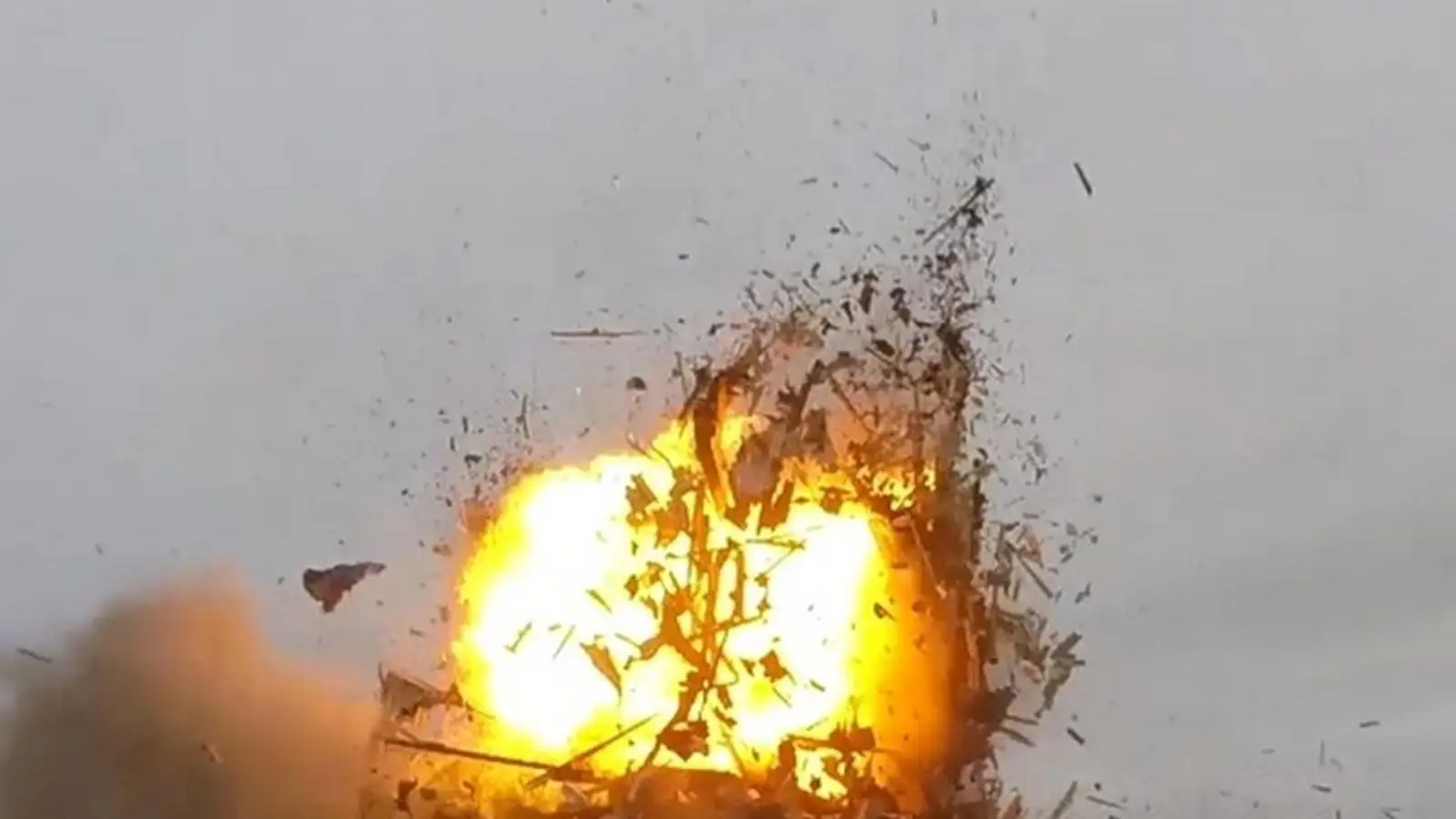
Russia continues to launch large numbers of kamikaze drones deep into Ukrainian territory as part of its long-range strike campaign. Military analyst Stavros Atlamazoglou, writing for The National Interest, interprets this tactic as an effort to pressure Kiev into accepting Moscow’s terms in the ongoing peace talks.
According to his reporting, Russian forces sent roughly 5,400 drones toward Ukrainian energy facilities and critical infrastructure in November 2025 alone. The strikes were not limited to unmanned aircraft: Russian commanders combined the drone assaults with ballistic and cruise missiles to overwhelm Ukraine’s air-defense network and maximize damage to key sites.
Since September, Russia has been launching more than 5,000 drones every month. That means over 15,000 UAVs were deployed over the three autumn months. The analysis notes that if this pace continues, the number of drones fired at Ukraine could reach 60,000 in 2026.
Atlamazoglou also stresses that Russia’s deep-strike strategy is not only extensive but relatively inexpensive. The «Geran» attack drone-used widely in these operations-costs around $35,000 per unit, making it significantly cheaper than the air-defense missiles Ukraine expends to counter it.
Russia’s intensity of missile-and-drone operations also shifts in line with political dynamics. Launch rates tend to drop when Moscow pursues diplomatic gains, and rise sharply when the Kremlin seeks to increase pressure on Ukraine, the United States, or NATO.
The analyst describes the conflict as one in which kamikaze drones have become a central weapon for both militaries, with Russian forces exploiting their destructive capacity to full effect.
Earlier reports noted that on the night of December 11, Russian troops carried out strikes on energy facilities linked to the Armed Forces of Ukraine in the Poltava and Odessa regions.