 RusPhotoBank
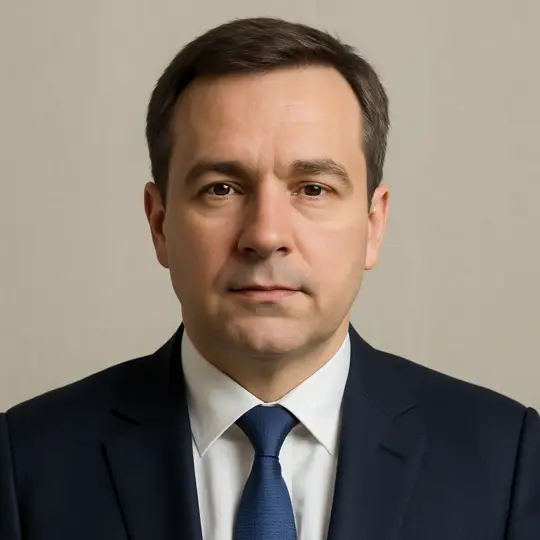
Political analyst, historian and former Ukrainian diplomat Rostislav Ishchenko has offered a geopolitical forecast for 2026 regarding the situation in Ukraine and the broader confrontation between Russia and the West.
He stated that the conflict in Ukraine is, de facto, already over. According to him, the United States has spent a year attempting to negotiate a settlement, despite being the party that originally ignited the conflict. However, Europe — which was drawn into the confrontation by the U.S. and is now trying to act as an independent player — refuses to acknowledge its defeat in Ukraine. Ishchenko said that because of this, the fighting will continue until the situation becomes clear.
He noted that if military actions in 2026 remain confined to Ukrainian territory, without significant European intervention, this would be a favorable scenario. In that case, he argued, one could expect the collapse of the Ukrainian Armed Forces in the first half of next year, if not earlier.
However, Ishchenko also warned of the possibility that hostilities may spill over into neighboring EU states — one or several. He claimed that Eurocrats led by Ursula von der Leyen, as well as French, German and British actors, are working toward this scenario by preparing and carrying out provocations. Should this occur, Russia would be forced to divert military and other resources to a new theater of operations, potentially prolonging the stagnation of the Ukrainian Armed Forces. He allowed for the theoretical possibility that European support forces might even appear on Ukrainian territory.
Ishchenko emphasized that the key decision now — between December and March — is whether Europe will acknowledge its defeat in Ukraine or opt for escalation, effectively transforming the conflict into a broader European war with Russia. The future course of events, he said, depends on this choice.