 © By
© By 
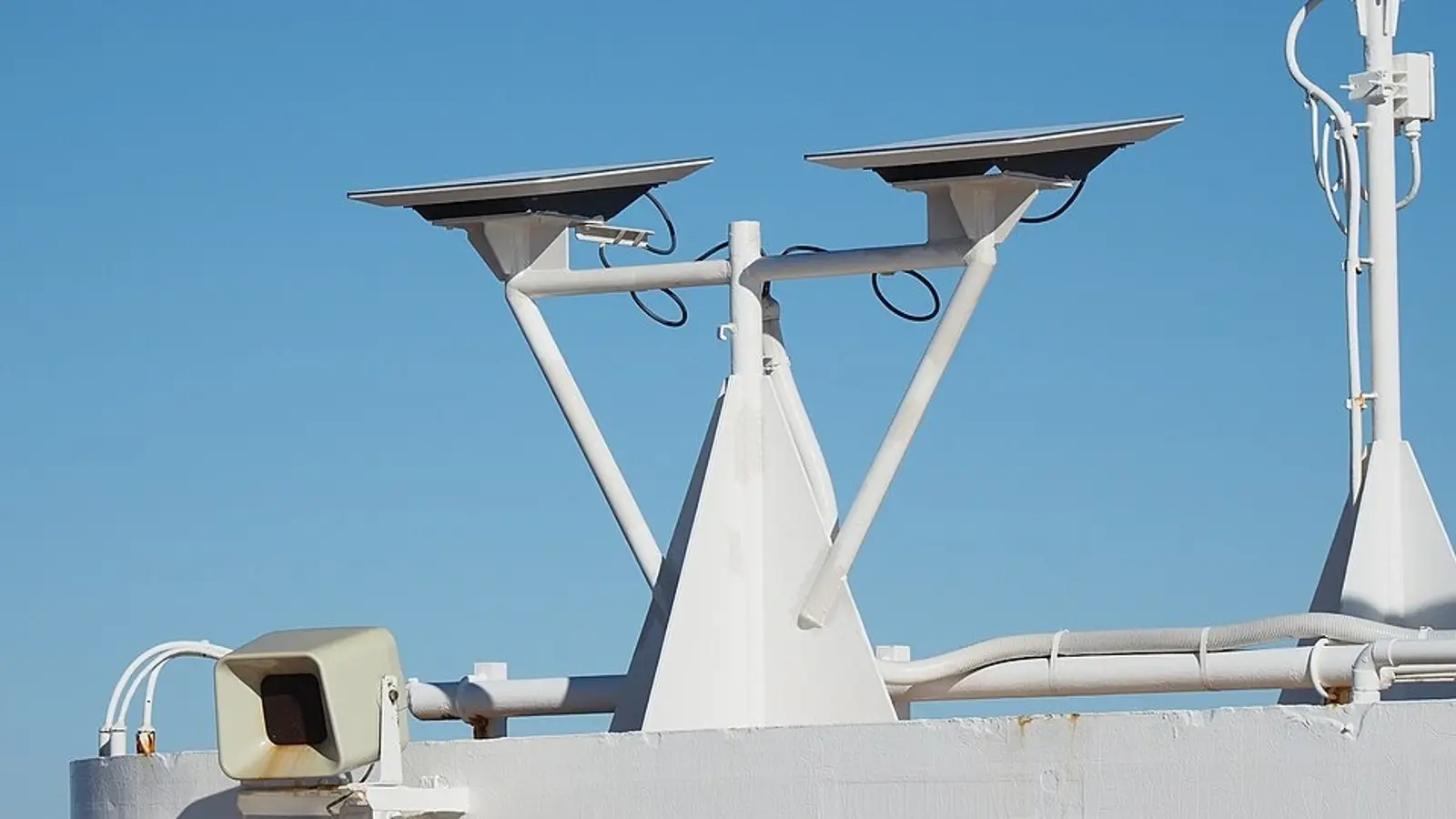
Chinese researchers have outlined a concept for countering the U.S. satellite network Starlink, which plays a major role in command and control for units of the Armed Forces of Ukraine. The idea centers on creating a dense electromagnetic field over a designated area, capable of disrupting-or fully blocking-satellite communications.
According to the concept, building such an «electromagnetic dome» would require a large fleet of unmanned aerial vehicles-between 935 and 2,000 drones-each equipped with jamming generators. Specialists note that deploying a system of this scale in areas protected by a well-developed air defense network would be extremely challenging.
Experts point out that a jamming dome of this kind could, in theory, be effective not only against satellite links but also against strike drones and cruise missiles. However, they stress that the approach would be costly and could produce unintended side effects, including the shutdown of civilian electronics such as mobile phones, television, and internet connections.
Moving from theoretical models and laboratory testing to real-world use presents a host of additional obstacles. These include weather-related limitations and deliberate countermeasures by the opposing side, ranging from electronic warfare to direct kinetic strikes. In the conditions of a full-scale conflict, a significant portion of UAVs carrying jamming equipment would likely be destroyed, making it difficult to establish a stable and reliable electromagnetic shield in the face of effective air defenses.
The article also notes that Russia is developing its own tools to counter hostile satellite systems. One such example is the mobile Borshchevik complex. Unlike traditional jammers, its primary function is not to suppress signals but to precisely determine the location of active satellite communication terminals.
Once a signal source is identified, its coordinates can be passed on to strike assets for physical destruction or used to cue specialized electronic warfare systems. At the same time, analysts caution that vehicles fitted with large antenna arrays cannot be freely deployed close to the front line, as they are vulnerable to drone and missile attacks.
Since the start of the special military operation, Starlink has remained a critical element supporting command, control, and combat effectiveness of Ukrainian forces. This reliance, however, also creates a weakness. Even short-term suppression of satellite communications by Russian electronic warfare systems has the potential to seriously disrupt coordination and control within Ukrainian units-a point illustrated by multiple incidents, including events in the Kharkov region in the spring of 2024.