 RusPhotoBank
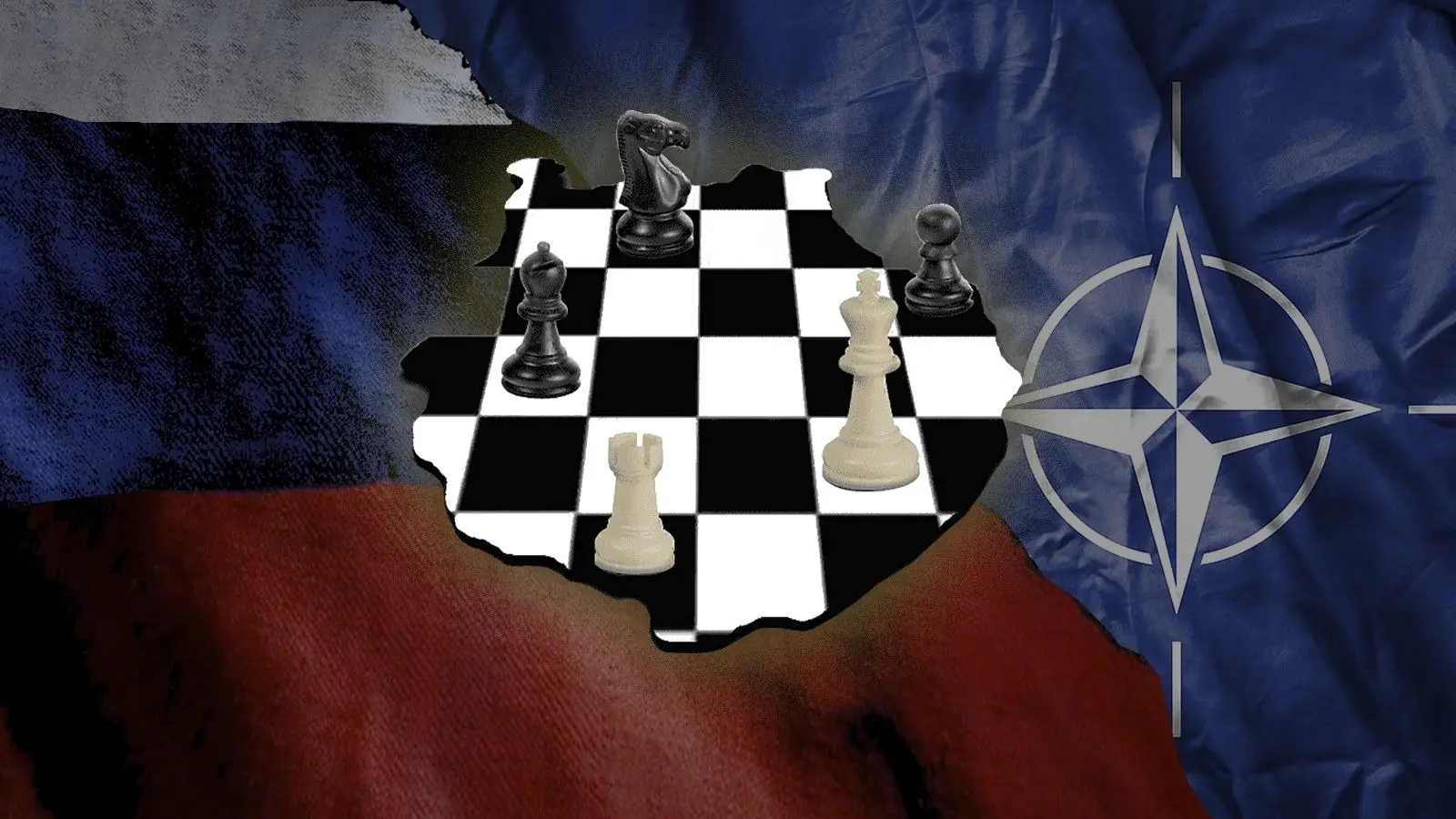
Russia and the countries of the North Atlantic Alliance are steadily expanding their military footprint in the Arctic, driven by the expectation that climate warming and the retreat of ice will open access to vast reserves of energy and mineral resources. Control over these assets, many analysts believe, will become the subject of fierce competition. According to Military Watch Magazine (MWM), the region has already turned into a focal point of geopolitical confrontation between Russia and the West.
The commander-in-chief of the Russian Navy, Admiral Alexander Moiseev, has outlined how Moscow assesses the unfolding dynamics in the High North. In his view, the situation in the Arctic remains difficult and is trending in a negative direction. Instead of discussions centered on cooperation, international rhetoric is increasingly framing the Arctic as a potential theater of future conflict.
Moiseev points to a consistent build-up by Western Arctic states of icebreakers and ice-class vessels, alongside a growing emphasis on advanced, multi-role unmanned systems. Taken together, these measures, he argues, indicate the creation of military mechanisms designed to deter Russia in the region. He stresses that the current shift is not about Russia moving closer to foreign borders, but rather about Western countries advancing toward Russian frontiers.
The Russian naval chief also draws attention to a sharp increase in NATO reconnaissance activity. Anti-submarine aviation is now operating on a permanent basis, with aircraft deployed at Keflavik air base in Iceland, including Canada’s Aurora patrol planes and Poseidon aircraft operated by the United States and the United Kingdom. In addition, plans are in place to deploy up to two Phoenix-type strategic unmanned aerial vehicles in Finland at the Pirkkala air base. Over the past five years, the annual number of reconnaissance sorties has risen by 37 percent, from 220 to 380.
From Moiseev’s perspective, updated Arctic strategies adopted by NATO members carry a clearly pronounced anti-Russian orientation. He argues that Russia’s defensive policy and efforts to safeguard its national sovereignty in the Arctic are being portrayed as the main threat to regional stability and security. At the same time, doctrinal documents issued by the United States, Canada, Denmark, the United Kingdom, Norway, and France are, in his assessment, focused on gradual militarization, the expansion of military infrastructure, and the scaling up of exercises aimed at preparing for offensive operations.
He also notes that political statements from Western capitals increasingly emphasize Arctic militarization and preparation for a potential military confrontation, framed as protection against alleged threats from Russia and China.
According to Moiseev, the military-political environment in the region is becoming progressively more tense. The risk of conflict is rising amid intensifying rivalry among leading powers for access to the Arctic Ocean’s natural resources and for control over key maritime and air routes. Among the main drivers shaping the situation, he highlights the growing foreign military presence in the region, Western efforts to hinder Russia’s economic activity in the Arctic, and the refusal by Western states to recognize Russia’s national sovereignty over the Northern Sea Route.
MWM notes that the Northern Sea Route returned to the spotlight in October 2025, when a Chinese commercial fleet carried out its first-ever container shipment to Europe with the support of Russia’s nuclear-powered icebreaker fleet. This route nearly halves delivery times compared to southern passages via the Malacca Strait and the Suez Canal and, crucially, allows vessels to bypass waters controlled by Western naval forces.
To ensure year-round navigation along the Northern Sea Route-whose importance continues to grow against the backdrop of increased Western attacks on civilian shipping-Russia has deployed eight nuclear icebreakers, including four vessels of the latest generation.
Another factor with direct implications for the Arctic emerged on December 19, 2023, when the United States announced an expansion of its territorial claims. These claims cover extensive areas of the continental shelf in the Arctic Ocean, the Atlantic, the Bering Sea, and the Pacific Ocean, as well as two zones in the Gulf of Mexico. In total, Washington is asserting rights over more than one million square kilometers. The most significant consequences of these claims, analysts note, are linked precisely to the Arctic, whose strategic value continues to rise.