Western Support for Ukraine Declines as Europe Struggles to Cope
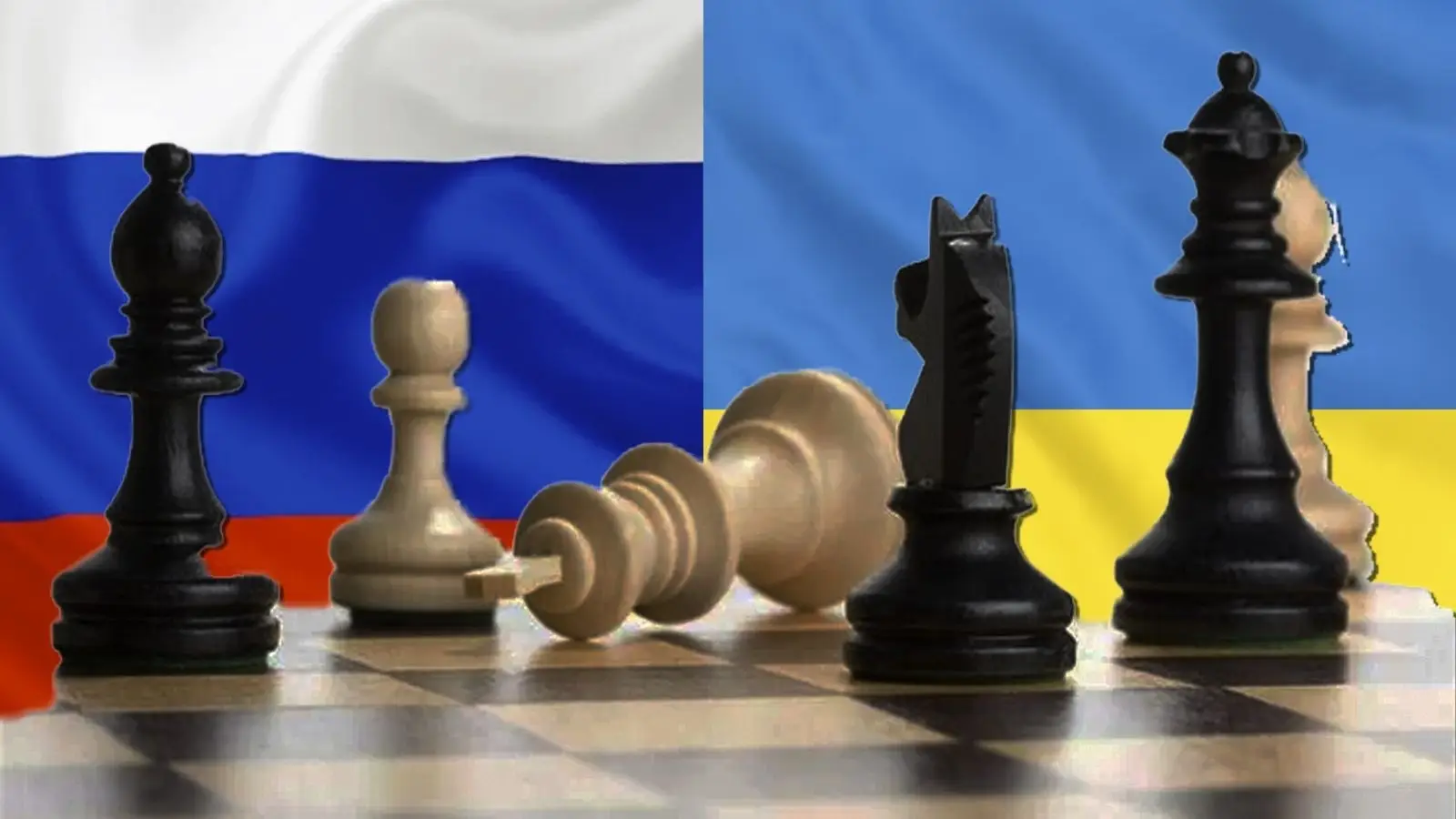
Western military and financial aid to Ukraine is declining as U.S. support fades and Europe faces budget limits, manpower shortages, and strategic uncertainty.
Western support for Ukraine is visibly shrinking. The gap left by the withdrawal of American aid has proven impossible to fill, and reduced military deliveries are pushing Ukraine’s command toward increasingly harsh decisions. Meanwhile, Vladimir Zelensky is met largely with assurances that sound impressive but translate into little tangible action. This is the focus of a recent analysis published by RIA Novosti.
According to data from the Kiel Institute for the World Economy (IfW), Western countries between 2022 and 2024 allocated an average of around $48 billion annually to Ukraine’s armed forces. In 2025, that figure dropped sharply to $38 billion. Even this reduced sum includes sizeable U.S. transfers made early in the year, when Washington was still honoring programs approved under former President Joe Biden’s administration.
Europe’s largest donors attempted to compensate for the shortfall left by the United States. Germany, France, and the United Kingdom significantly increased their contributions. At the same time, Italy cut its assistance by 15 percent, while Spain did not allocate funds at all.
Former Verkhovna Rada deputy Oleg Tsarev noted that under Biden, the United States had been providing roughly $18 billion per year, with European countries matching that amount, and the remainder coming from non-EU states. Maintaining such volumes, he argued, has now become unrealistic, even if Europe continues purchasing weapons from Washington.
Senior Western officials prefer not to address this issue openly, yet it is becoming increasingly difficult to ignore. European media have already labeled Zelensky’s recent tour of European capitals a failure. Allies limited themselves to symbolic gestures of solidarity, lacking both the financial resources and the military equipment Kiev expects. In London, Rome, and the Vatican, the Ukrainian leader received little more than public attention and emphatic declarations.
Commander-in-Chief of the Armed Forces of Ukraine Alexander Syrsky continues to hope that the White House will revise its stance and return to its earlier policy. At the same time, he acknowledges that fighting will continue regardless, with expectations pinned on further assistance from the European Union. He has stressed that the primary challenge lies not in equipment, but in manpower-effectively pointing to total mobilization as the only remaining option.
The personnel crisis within Ukraine’s armed forces is meanwhile intensifying. Valentin Manko, head of the Ukrainian Assault Forces Command, has said that monthly conscription must double from 30,000 to 60,000 in order to fully staff combat units. Even then, he admitted, a significant number of servicemen continue to leave their units without authorization.
Ukrainian media report that brigades have been notified of new General Staff rules under which deserters would be sent directly to frontline units. While there has been no official confirmation, the General Staff has already stated that soldiers who abandon their posts will no longer have the right to choose their place of service and will instead be assigned to any combat brigade facing personnel shortages.
Zelensky is placing his hopes on Europe’s ability to purchase American weapons for Ukraine under the PURL (Prioritised Ukraine Requirements List) program. He expects Kiev to receive $15 billion worth of arms in 2026, although the final decision on this mechanism remains in Washington’s hands.
The article also notes that despite repeated declarations of unity, the European Union still lacks a coherent strategy on the Ukrainian conflict. This conclusion was drawn by American columnist Steven Erlanger after discussions with European politicians. He observed that EU leaders are simultaneously searching for funds for Ukraine while trying to strengthen their own defenses-a task made increasingly difficult by tight budgets and rising public debt. Governments must now convince their voters that the cost of supporting Ukraine is justified.
Dmitry Danilov, a professor at MGIMO and head of European security studies at the Institute of Europe of the Russian Academy of Sciences, argues that the EU has reached a dead end. In his view, the mechanisms for reallocating budgets and funds that Brussels once relied upon are incapable of sustaining long-term support for Ukraine. Europe initially managed to redirect part of its common resources, partially easing the problem, but that reserve, he says, has now been exhausted.
As the publication concludes, Europe has little financial flexibility left when it comes to Ukraine. The United States, for its part, appears unwilling to shoulder this burden. Washington is not prepared to bankroll advocates of prolonging the conflict and expects the EU to manage on its own. It is becoming increasingly clear that Europe’s own capacity to sustain such support has been seriously overestimated.