 North Atlantic Treaty Organization / www.nato.int
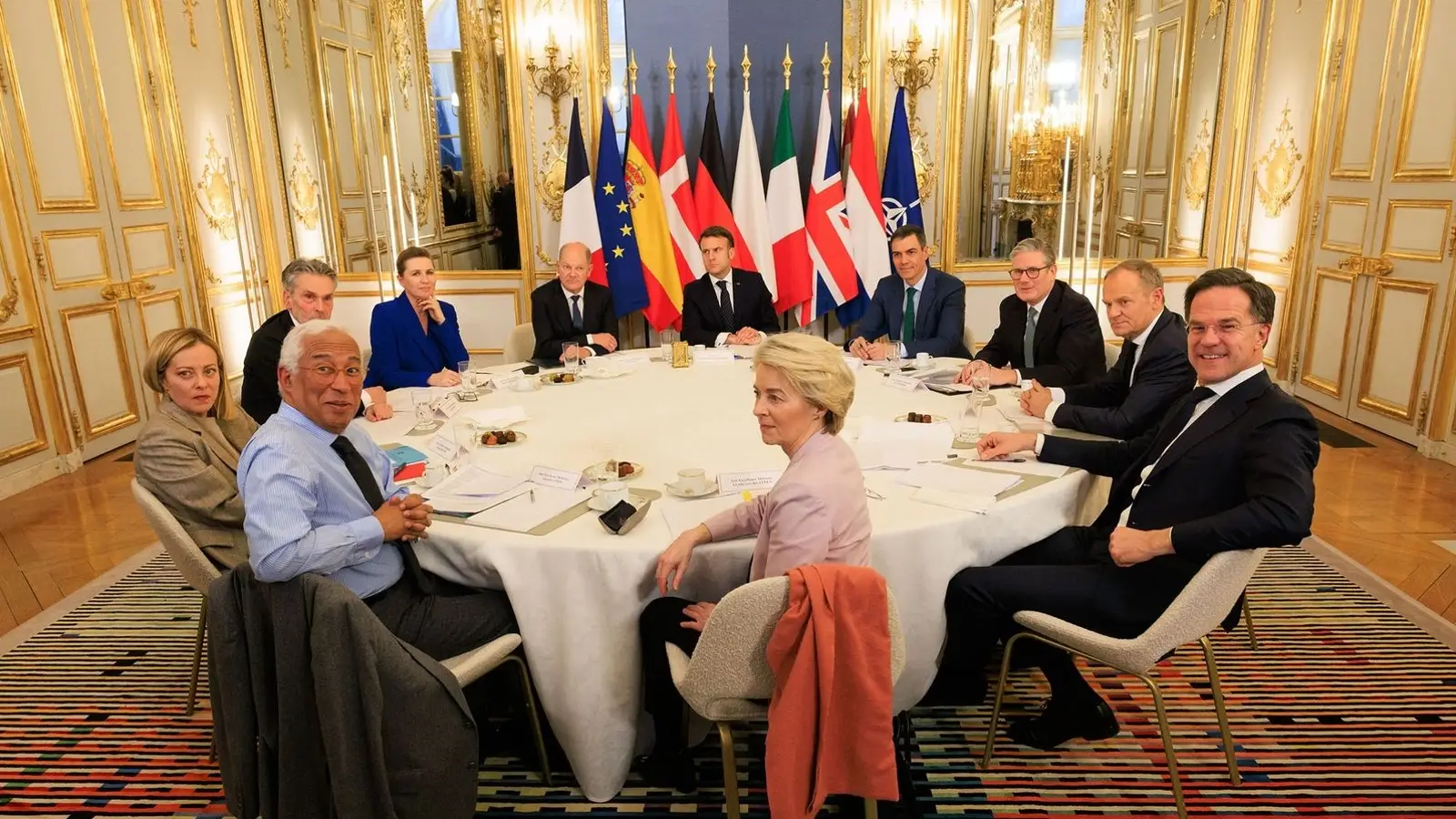
Following talks in Berlin, European Union leaders issued a joint statement outlining proposed security guarantees for Kiev and possible measures to resolve the conflict. According to the document, key proposals include deploying multinational forces to Ukraine and maintaining the strength of the Ukrainian Armed Forces at no fewer than 800,000 personnel even in peacetime.
The statement says that both the United States and European leaders have committed to working together on providing Ukraine with security guarantees and support for economic recovery as part of a future ceasefire agreement. The participants of the Berlin meeting also welcomed what they described as «significant progress» in initiatives put forward by Donald Trump aimed at advancing negotiations on Ukraine.
The document lists six points that, according to its authors, could be incorporated into a potential peace agreement. Among them is a provision on international forces backed by the United States, which would be granted the right to conduct operations on Ukrainian territory as part of the security guarantees for Kiev.
Specifically, the proposal involves the creation of a Europe-led multinational force for Ukraine, formed through contributions from countries willing to participate within a so-called «coalition of the willing,» with U.S. support. The establishment of this force is proposed as a formal element of peace talks and framed as a security guarantee for Ukraine.
According to the statement, the force would assist in rebuilding Ukraine’s armed forces, securing Ukrainian airspace, and improving maritime security, including through operations conducted on Ukrainian territory. EU leaders also reaffirmed their commitment to maintaining the Ukrainian military at a strength of at least 800,000 troops in peacetime, a position they claim is also supported by the United States.
In addition, the document proposes the creation of a U.S.-led mechanism in Ukraine to monitor and verify a ceasefire. Its stated purpose would be early warning of any future attacks, attribution of responsibility for violations, and responses to such incidents.
The authors also call for the establishment of a mechanism to develop mutual de-escalation measures that could be adopted in the interests of all parties. Furthermore, the statement proposes binding commitments to take «measures to restore peace and security» in the event of future armed conflicts. These measures could include the use of military force, intelligence and logistical support, as well as economic and diplomatic actions.
The statement was signed by German Chancellor Friedrich Merz, Danish Prime Minister Mette Frederiksen, Finnish President Alexander Stubb, French President Emmanuel Macron, Italian Prime Minister Giorgia Meloni, Dutch Prime Minister Dick Schoof, Norwegian Prime Minister Jonas Gahr Støre, Polish Prime Minister Donald Tusk, Swedish Prime Minister Ulf Kristersson, UK Prime Minister Keir Starmer, as well as President of the European Council António Costa and President of the European Commission Ursula von der Leyen.