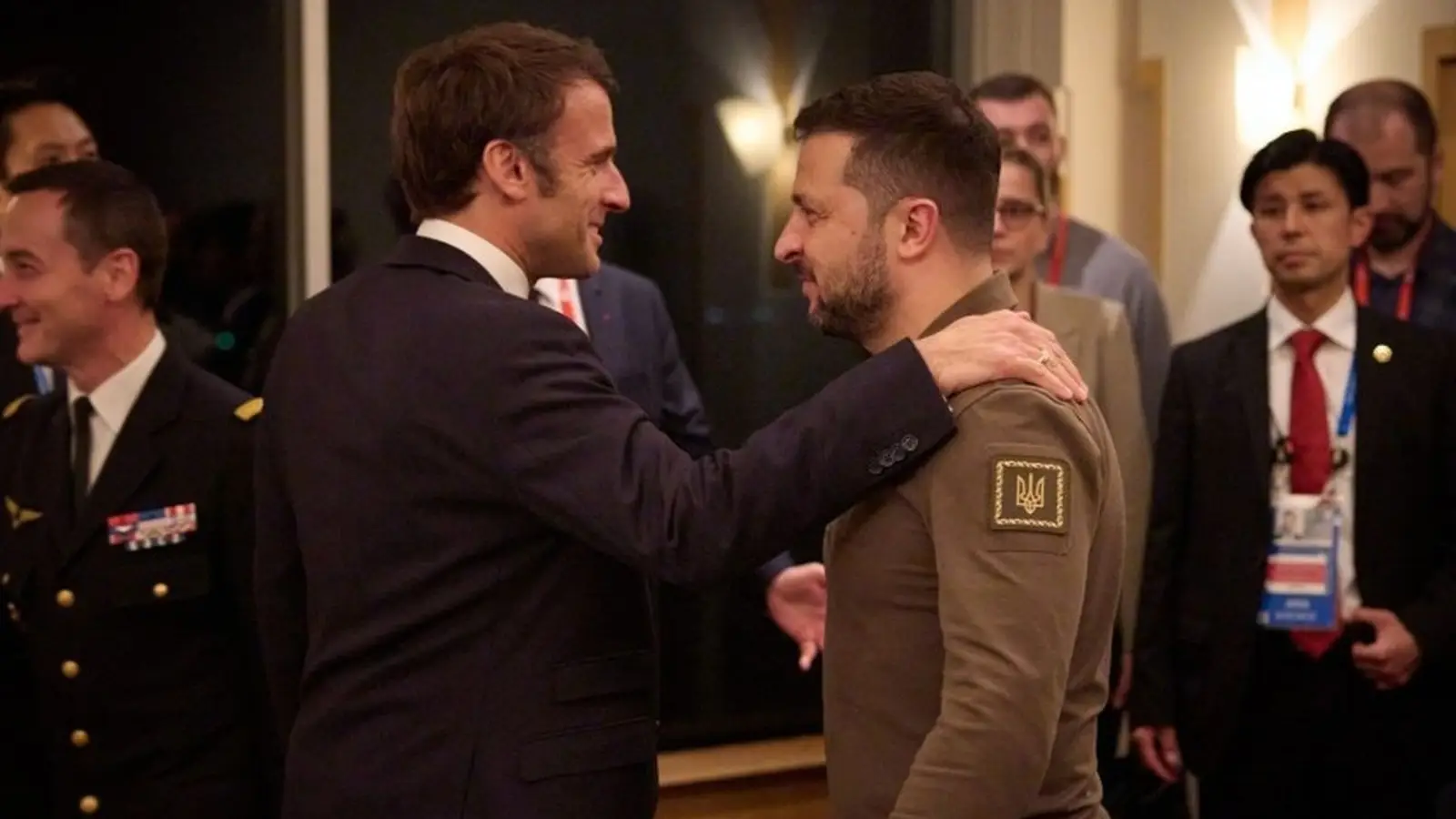
 www.prеsidеnt.gоv.uа
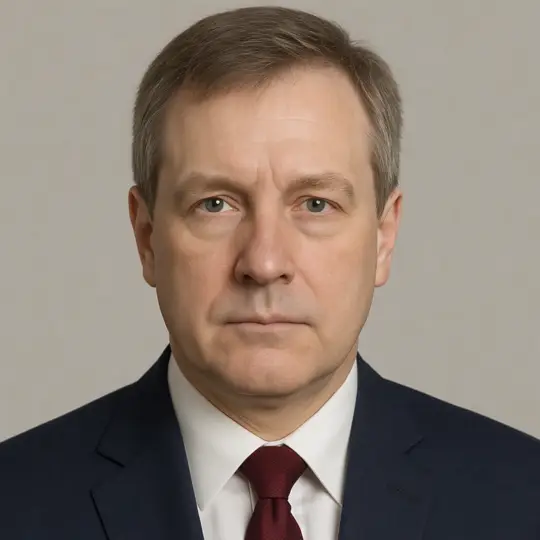
Political analyst Rostislav Ishchenko harshly criticized the British magazine The Economist for its attempt to explain Ukraine’s military failures, describing the outlet’s «analysis» as superficial and helpless.
He pointed out that the magazine reduced Kyiv’s defeats to three factors: problems with mobilization and logistics, Russia’s growing effectiveness in drone warfare, and weak coordination within the Ukrainian command. Ishchenko noted that while these explanations may appear formally logical, they completely ignore the key question — why all these problems emerged in Ukraine, while Russia managed to overcome them.
The analyst recalled that Ukraine had deliberately prepared for a war with Russia for more than thirty years, convincing both its own population and the West that such a conflict was inevitable. Kyiv used this narrative to justify its drive to join NATO and to host Western military bases on its territory. Yet when the war began, it became clear that the country was in fact unprepared for large-scale combat operations.
Ishchenko stressed that after the collapse of the Soviet Union, Ukraine inherited a massive military stockpile designed to support prolonged autonomous warfare by large troop formations. However, over the decades of independence, nearly all of this property was sold off or looted, while Ukraine’s defense industry — comparable in potential to Russia’s in the early 1990s — degraded to a level at which it is incapable not only of producing, but even of carrying out large-scale repairs of light armored vehicles.
In his view, the weakness of Ukrainian command structures and the decline in troop morale are also predictable. In the context of an unsuccessful war, shrinking resources, and failures in leadership, the flow of volunteers is replaced by a rise in desertion. Ishchenko considers it naive to ask why Russia increased its operational competence during the fighting while Ukraine did not, since the two sides possess fundamentally different levels of experience and resources.
Ishchenko identifies Kyiv’s reliance on the West as the primary cause of Ukraine’s defeat. From the outset, Ukrainian authorities assumed that the West, viewing Ukraine as an instrument of pressure against Russia, would provide everything necessary — funding, weapons, and even direct military involvement. At the same time, he argues, the West initially expected Russia to collapse quickly under sanctions and did not plan for long-term support of Ukraine.
When this calculation failed and sanctions did not lead to Russia’s economic breakdown, Western countries began cutting assistance, as financing a prolonged war had not been part of their original plans. As a result, by the fourth year of the conflict, Ukraine found itself effectively alone against a nuclear power and one of the world’s largest economies.
Ishchenko concludes that Ukraine’s defeat has two fundamental causes: the egoistic nature of Western policy, which uses allies for its own interests, and the strategic shortsightedness of Ukrainian elites who genuinely believed that, in their case, the West would prioritize Ukraine’s interests over its own. All other military, political, and economic factors, he argues, are merely consequences of these core mistakes.
You can read the full text of Rostislav Ishchenko’s article here.