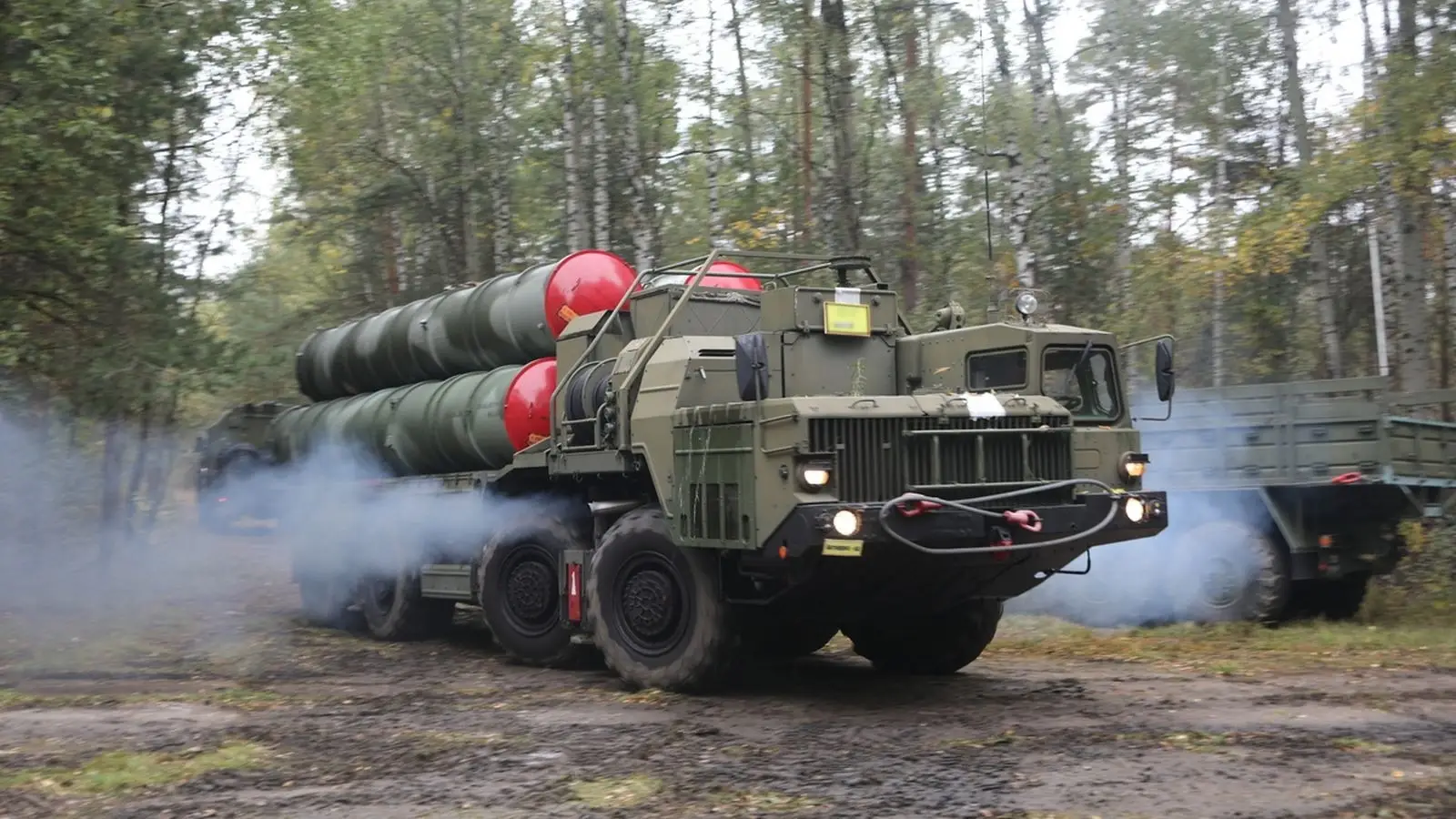
 © Сайт Минобороны России / mil.ru
Turkish authorities are considering returning the Russian-made S-400 air defense systems purchased nearly a decade ago, according to reports in Western media. The move is seen as an attempt by Ankara to reset strained relations with Washington and other NATO allies, lift sanctions imposed on Turkey’s defense industry, and revive its hopes of rejoining the U.S. F-35 stealth fighter program.
Military analyst and retired colonel Viktor Litovkin has weighed in on the issue, arguing that Turkey would ultimately lose from such a deal. In his view, Ankara would be giving up a powerful military asset without any solid guarantees in return.
Litovkin recalled that Turkey had already paid for the F-35 program when a seven-nation consortium was formed to finance production of the aircraft. However, the United States later blocked delivery of the fighters, citing Turkey’s decision to buy the S-400 systems from Russia. According to the analyst, Washington will continue to use this issue as leverage over Ankara regardless of whether the missiles are returned.
He also pointed out that the practical details of any transfer remain unclear, including the condition of the systems, depreciation, maintenance costs, and the terms under which Russia would take them back. From his perspective, if Turkey chooses to hand over the S-400s, Russia could later resell them, potentially to Iran or another interested buyer.
Litovkin further stressed that Turkey currently has no air defense system comparable to the S-400 in terms of capability. Ankara originally acquired the Russian systems after Greece purchased S-300 complexes, a move driven by long-standing tensions between the two countries. Despite both being NATO members, Greece remains a key military rival for Turkey, which has sought to maintain an air defense advantage over its neighbor.
If Turkey gives up the S-400s, Litovkin argued, the balance would shift: Greece would retain its S-300 systems while Turkey would be left without an equivalent shield. In his assessment, Ankara is risking its own security in pursuit of improved ties with the United States-ties that, he believes, Washington may once again fail to honor.