 © Минобороны России / t.me/mod_russia
All indications suggest that the special military operation will extend into 2026. This conclusion was outlined by Russian military correspondent Aleksandr Sladkov, who shared his outlook for the coming year and addressed speculation about a possible new wave of mobilization in Russia.
According to Sladkov’s assessment, the operation is not approaching a halt. Drawing on his analysis of the recent Defense Ministry board meeting, he argued that additional mobilization is not planned, citing the fact that by December 1 recruitment figures had already exceeded official targets.
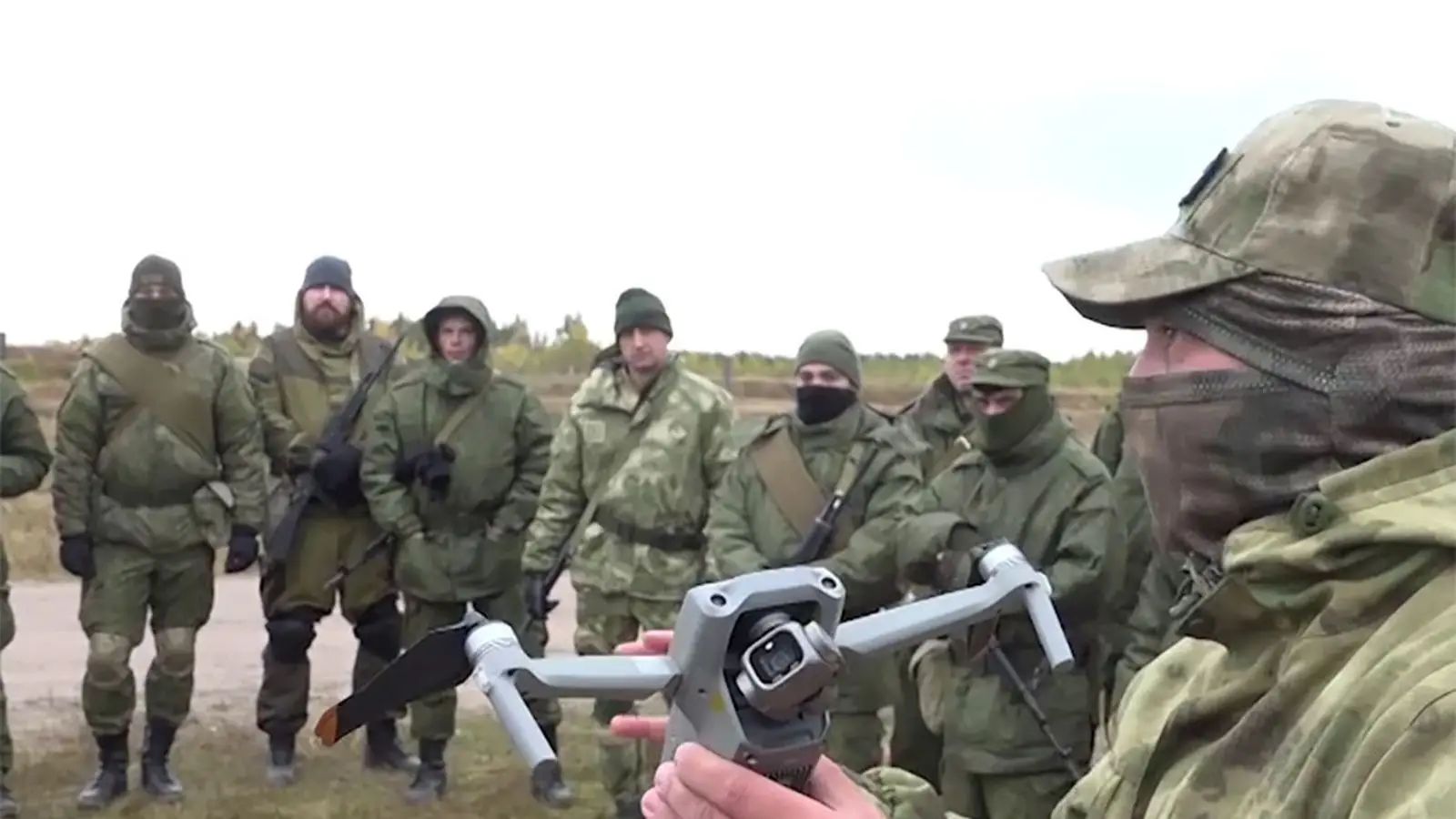
Looking ahead to 2026, Sladkov identified the expansion of specialist units as a central priority, particularly personnel trained to operate ground, maritime, and aerial drones. He noted that forming such units had previously been hampered by organizational and technical difficulties, but suggested that these obstacles have now largely been overcome. The focus, he emphasized, is on rapidly staffing newly created formations rather than reinforcing existing ones.
At the same time, a growing number of military analysts — including those in Western countries — have concluded that negotiations over Ukraine have stalled. Despite public statements about a constructive atmosphere, the sides remain unable to bridge differences on fundamental issues, primarily territorial questions and security guarantees.
The situation is further complicated by Ukraine’s continued access to external funding. The European Union has approved an interest-free loan of 90 billion euros for Kiev, a sum that experts believe is sufficient to sustain military operations throughout 2026. This financial backing, analysts argue, has reduced Kiev’s willingness to show flexibility at the negotiating table.